Saudi Arabia experienced a significant economic contraction in the second quarter of 2026, as real gross domestic product fell 4.8% compared to the same period the previous year. According to government data, the downturn was driven primarily by a sharp decline in oil activities amid ongoing regional conflict.
General Authority for Statistics Releases Second-Quarter Data
Official preliminary estimates released by the General Authority for Statistics indicate that Saudi Arabia’s real GDP contracted by 4.8% year-on-year in the second quarter of 2026, compared to the second quarter of 2025. This downturn marks the first time the nation’s economy has shrunk in more than two years, according to data issued on Thursday, July 30, 2026.
On a seasonally adjusted quarter-on-quarter basis, real GDP dropped by 4.9% in the second quarter of 2026 compared to the first quarter of the year. Rapid growth estimates published by the authority attribute the quarterly decline predominantly to a 21.5% reduction in oil-related operations, alongside a 0.5% dip in non-oil activities, while government operations managed a modest 0.2% growth.
Regarding contributions to the seasonally adjusted GDP, oil activities recorded a negative contribution of 4.5%. Meanwhile, the negative contributions of non-oil activities and net taxes on products stood at 0.3% and 0.1% respectively, whereas government activities contributed positively by 0.03%.
Oil Sector Contraction Drives Overall Economic Decline
The primary driver behind the economic contraction is a steep reduction in the kingdom’s energy sector. Data from the General Authority for Statistics shows that oil activities plummeted 24.7% on an annual basis, severely impacting the world’s largest oil-exporting nation and the wider Gulf region.

This severe drop in the energy sector exerted a negative drag on the broader economy. The General Authority for Statistics reported that the oil sector in that quarter contributed negatively to real GDP growth by 5.4 percentage points.
Non-Oil and Government Sectors Maintain Positive Momentum
Even as the petroleum sector struggled under regional pressures, non-oil and government segments of the economy continued to register positive growth. Government activities grew by 0.9%, while non-oil activities expanded by 0.6% on an annual basis compared to the same period in 2025.

These non-oil sectors provided a stabilizing buffer, contributing positively to the real GDP by up to 0.4 percentage points. Net taxes on products and government activities each added positive contributions of 0.1 percentage points to the annual figures.
Regional Conflict and Energy Disruptions Ripple Through Gulf Markets
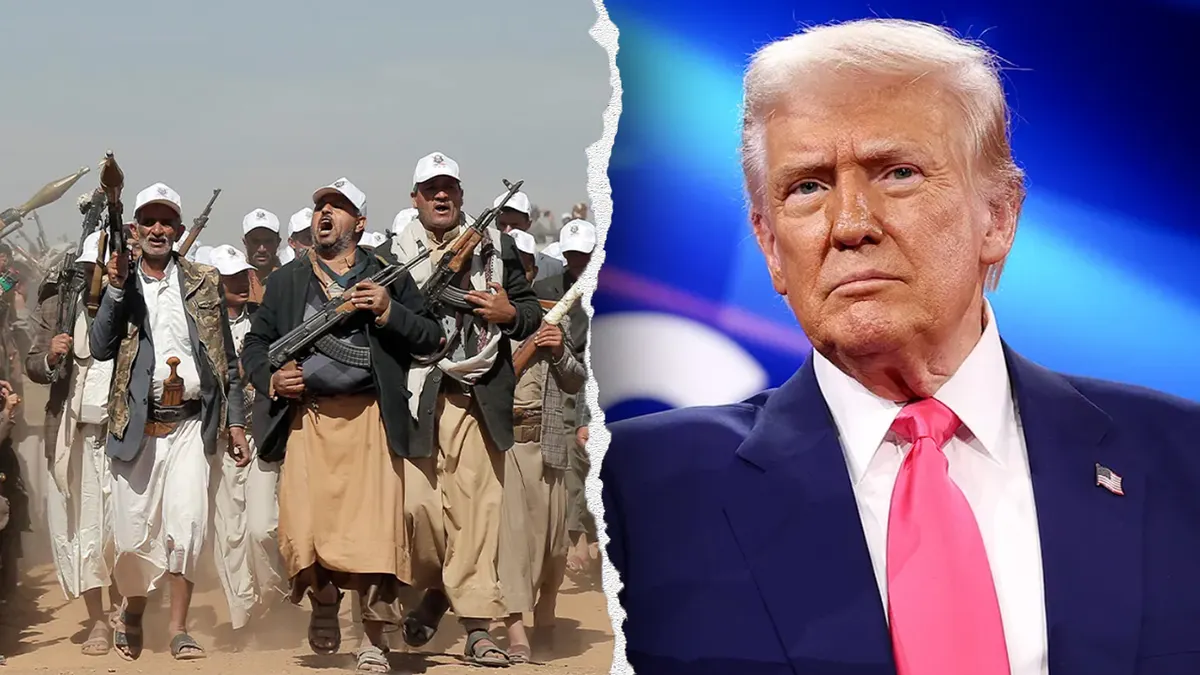
The contraction unfolds against a backdrop of escalating conflict in the Middle East, which has disrupted shipping and energy supplies, affecting countries in the region as well as key fronts. Economic pressures have intensified following military actions; specifically, the United States launched an attack on Iran on Wednesday, intensifying a five-month-long war that has disrupted shipping and energy supplies.
A Reuters poll conducted this month showed that most Gulf economies will experience a sharper contraction this year than anticipated three months ago, before recovering in 2027. The Arabic-language coverage of these economic figures was reported by journalists Nafisah Al-Tahir and Tala Ramadan, with editorial preparation by Rehab Alaa for the Arabic bulletin under Thomson Reuters trust principles. Additional reporting was provided by Shaimaa Hafezi for Zawya.