Six Saudi oil tankers altered their routes around Africa to avoid the Bab el-Mandeb strait and the southern Red Sea following a blockade announced by Yemen’s Houthi movement in July, adding at least two weeks to their voyages as shipping companies navigate heightened maritime risks.
Vessel Tracking Data Reveals Route Changes Around Africa
Data from the ship-tracking service Marine Traffic indicates that the affected vessels chose alternative paths around the African continent. This diversion extends typical journey durations by approximately two weeks, forcing a major recalculation for maritime logistics in the region.

The data shows that the redirected fleet left the Gulf of Aden near the coast of Oman before heading south along the eastern seaboard of Africa. Some of the vessels list South African ports as their final destination, while another points to Gibraltar as its next stop. A Saudi bulk carrier is also part of the group, currently navigating between the Kenyan coast and the Seychelles.
Empty Tankers and Increased Logistical Burdens
Shipping records show that all six tankers are registered as empty, meaning they were carrying no oil when they changed course. Several ships appeared to be returning toward Saudi ports from Asia when the maritime restrictions forced them to swing wide of the danger zones.
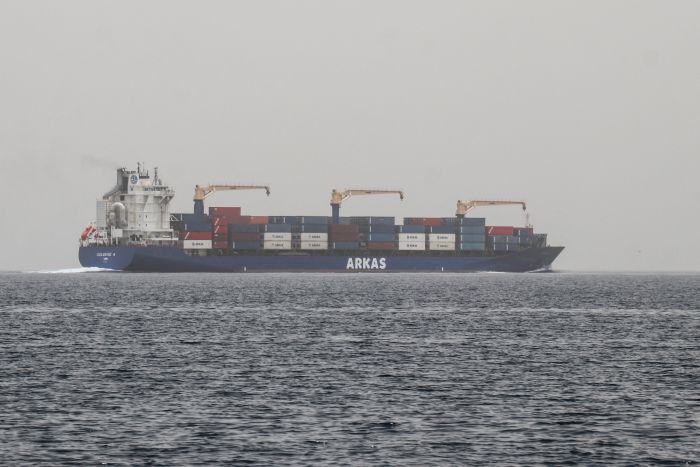
Using the longer route around Africa and through the Suez Canal to return to Red Sea ports adds roughly 15 days to a standard voyage. According to reporting from regional follow-ups on vessel tracking data, these detours impose significant time constraints and operational costs on Saudi petroleum export routes.
The Bab el-Mandeb Standoff and Maritime Warnings
The adjustments follow explicit warnings issued by the Houthi movement targeting any Saudi vessels attempting to traverse the Bab el-Mandeb strait at the southern end of the Red Sea. Shipping sector sources report that while general commercial traffic through the strait has largely returned to near-normal levels since the blockade was declared on July 20, Saudi ships continue to give the waterway a wide berth.
In some instances, vessels have reportedly deactivated their Automatic Identification System transponders to evade detection while transiting tense international waters. International supply chains have consequently had to incorporate contingency routes to bypass the southern Red Sea choke point.