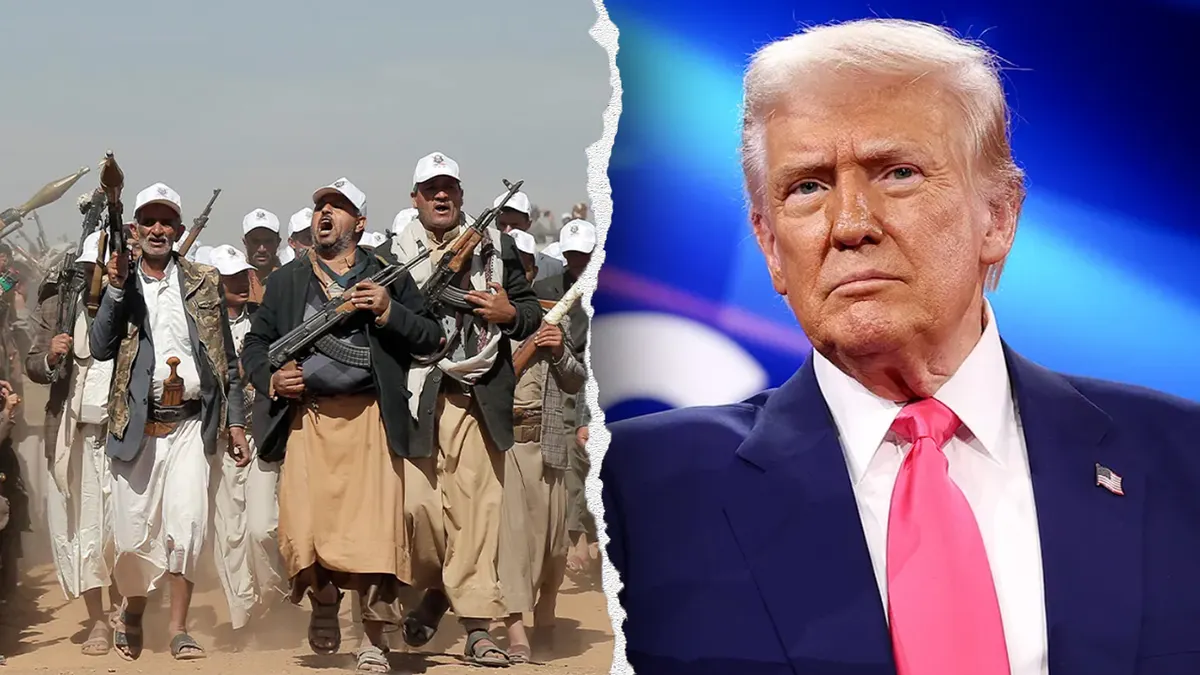
Following weeks of conflict involving the United States and Iran, Pakistan announced an agreed framework for peace on June 15, 2026, aimed at securing the region, addressing the nuclear file, and reopening the vital commercial shipping lanes of the Strait of Hormuz.
An Unfolding Diplomatic Framework Announced via Pakistan
After weeks of military escalation between the United States and Iran that included strikes and counter-strikes beginning on February 28, 2026, international diplomatic efforts yielded a major development when Pakistan announced an agreed framework between the two adversaries. The announcement followed mediation efforts, including a prior meeting in Islamabad where Prime Minister Shehbaz Sharif received Jared Kushner. The development was described by American leadership as an effort that would bring peace and security to the region.
Formal signing ceremonies for the arrangement are scheduled to take place on Friday, June 19, in Switzerland. However, officials caution that the intervening days carry risks of unresolved details collapsing the arrangement before pen meets paper.
Contrasting Positions and Underlying Friction
Both governments sought to present the agreement in favorable domestic terms. While American leadership framed the arrangement as a significant breakthrough, the Iranian deputy foreign minister, Kazem Gharib Abadi, highlighted his nation’s military achievements and confirmed the signing of a memorandum of understanding.

Prior to the formal framework announcement, statements from Washington and Tehran reflected deep-seated friction. United States President Donald Trump asserted that discussions were underway with regional backing from Saudi Arabia, the United Arab Emirates, Qatar, and other nations, characterizing the talks as Tehran’s final opportunity to secure a favorable agreement. Iranian officials, meanwhile, countered by pointing to parallel diplomatic tracks, including talks with Oman regarding new maritime passageways, while maintaining that US commitments remained in question.
Reopening the Strait of Hormuz and Navigating Maritime Clearance
The central pillar of the economic de-escalation involves lifting the American naval blockade on Iranian ports and reopening the Strait of Hormuz to commercial navigation. The passageway normally handles roughly 20 percent of the world’s petroleum and liquefied natural gas. United States leadership underscored the reopening objective by calling for uninterrupted resource flows across the corridor.

Despite political agreements, energy market analysts warn that physical transit will not resume instantaneously. Following closures and threats against vessels utilizing the waterway, restoring normal traffic requires extensive mine clearance operations, the processing of accumulated oil tankers, and the orderly resumption of shipping production.
Logistical Timelines and Economic Recovery Projections
Industry estimates suggest that returning maritime commerce through the passage to pre-conflict levels will require a sustained operational effort rather than a sudden pivot.
| Recovery Phase | Estimated Duration | Operational Requirements |
|---|---|---|
| Political Framework Agreement | Immediate (Targeting June 19, 2026) | Formal treaty signing in Switzerland |
| Maritime Corridor Clearance | Weeks to 45 Days | Mine removal, tanker backlog processing, and shipping resumption |
These operational realities mean that while diplomatic announcements can instantly alter market sentiment, the physical flow of oil will remain constrained while logistics teams clear the waterway.
Outstanding Regional Flashpoints
Even as the framework addresses maritime commerce and the broader security architecture, substantial issues remain unaddressed. Questions concerning the Iranian nuclear program, the political future of Lebanon, and the stance of Israel regarding ongoing operations against Hezbollah represent significant hurdles.
With regional actors maintaining differing strategic calculations ahead of the scheduled Swiss talks, observers remain focused on whether the diplomatic architecture can withstand local friction on multiple active fronts.