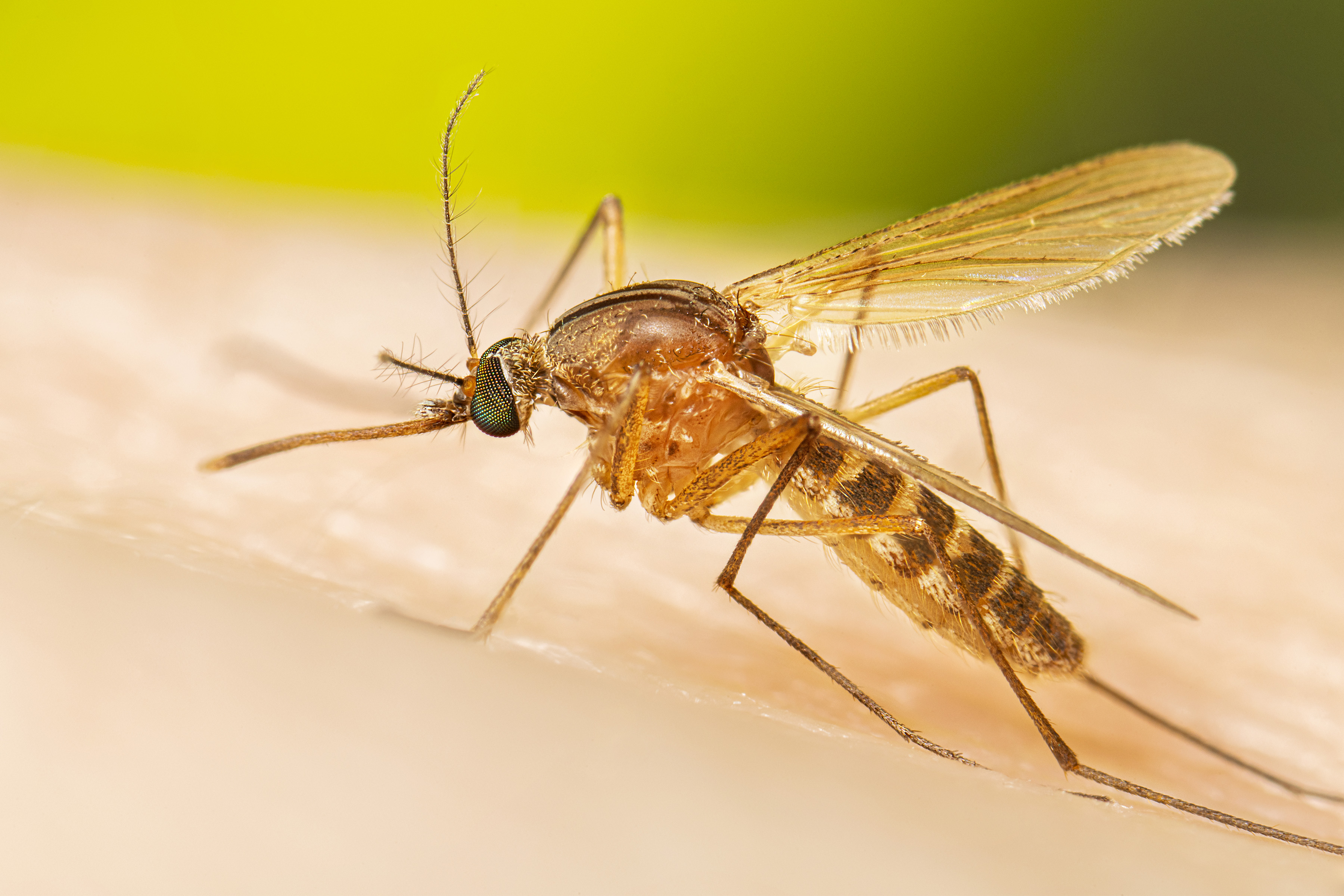
Disease-carrying mosquitoes have spread to previously unaffected regions across Europe, Asia, the Americas and Australia, prompting warnings for travelers and highlighting a growing global health threat that is no longer limited to tropical countries.
Nature Reports on Aedes albopictus Spread in European Countries
Between June 2025 and April 2026, Aedes albopictus—a mosquito capable of transmitting dengue and chikungunya—spread to new areas in several European countries, including Portugal, France and Greece.
César Capinha Identifies Global Trade Networks Driving Mosquito Invasions
Research published last October indicates that the rate at which disease-carrying mosquitoes are invading new regions is accelerating. An analysis of records dating back to the fifteenth century found that 45 disease-vector mosquito species had invaded new regions at some stage, with 12 doing so since 2000. César Capinha, a biogeographer at the University of Lisbon and a co-author of the study, noted that the expansion of global trade networks, used tires, live plants, and transportation via cars, trains, and planes have driven this rise in new introductions.
Christovam Barcellos Links Climate Change to Aedes aegypti Expansion in South America
Aedes aegypti, which transmits dengue, chikungunya and other viruses, leads the list of the most widely introduced mosquito species and is now present in roughly 150 countries. Christovam Barcellos, a health geographer at the Oswaldo Cruz Foundation in Rio de Janeiro, Brazil, explained that climate change has made certain regions more suitable for the development of Aedes aegypti, which requires warm temperatures and rain to reproduce. Consequently, dengue outbreaks are being registered in previously dengue-free South American regions, including the south of the continent and high-altitude cities, with heatwaves also associated with the disease’s progression.
Global Malaria and Chikungunya Case Totals Reach Millions Worldwide
Globally, disease impacts remain high. In 2024, the estimated number of malaria cases worldwide totaled 282 million—up from 273 million in 2023—with 610,000 deaths attributed to the disease. Additionally, about 14.4 million people worldwide are thought to develop chikungunya every year, with most cases occurring in South Asia and Latin America, while dengue has reached a record high with more than 14 million reported cases and 12,000 deaths worldwide.

