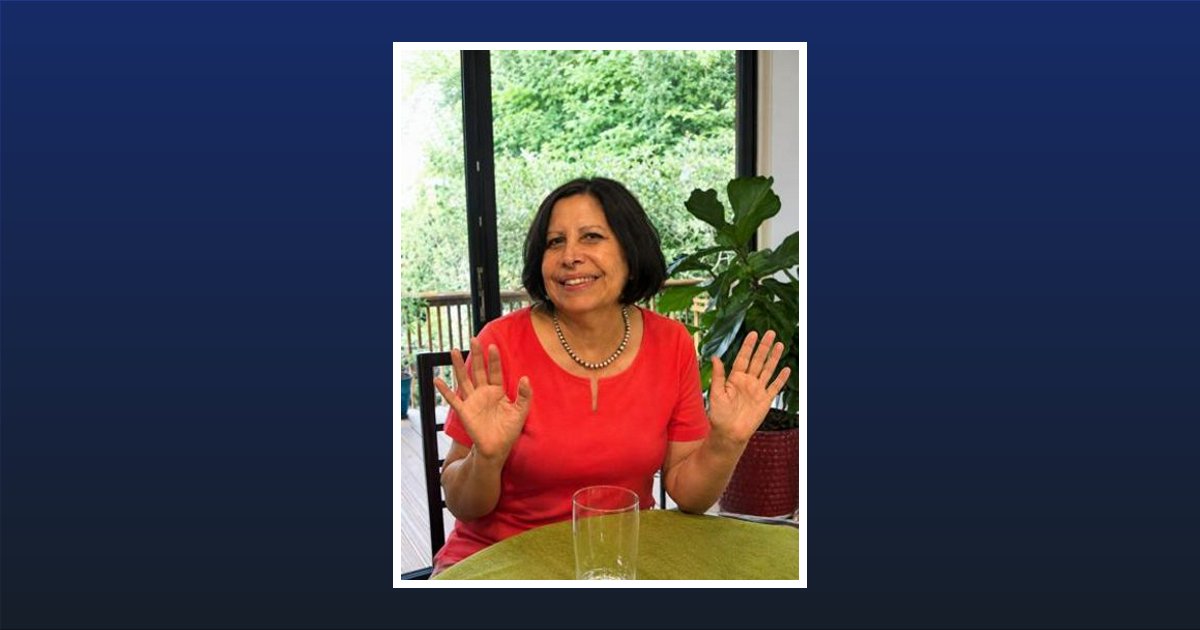
A Life of Resilience and Connection: Remembering Helena Paz de Micolta
Helena Paz de Micolta, a woman whose life was defined by the quiet strength of her faith and an unwavering devotion to her family, passed away on October 1, 2026.
Born to Rosa Elena Hernandez and Roberto Paz, she pursued her education at Externado María Auxiliadora and Colegio San José de Tarbes in Bogotá. These formative years instilled in her a lifelong love for history and learning, a trait that followed her when she made the significant decision to immigrate to the United States in 1983.
From Bogotá to Boca Raton
Settling in Boca Raton, Florida, Helena navigated the complexities of life as an immigrant while maintaining a vibrant connection to her Colombian roots. In the early 1990s, she transitioned into the workforce as a medical office manager in Deerfield Beach.
Together, they raised three children—Patricia, Camilo, and Mariana—and eventually welcomed a granddaughter, Camila, into the fold.
The Fabric of a Legacy
Helena’s influence was perhaps most felt in the intimate, everyday traditions she maintained. She was an avid baker, known for her Colombian torta negra and cheesecakes, and she practiced the delicate art of cross-stitching. These activities were not merely hobbies; they were the mechanisms through which she shared her cultural heritage with the next generation. Her faith was equally central, providing her with a framework for resilience during the various medical challenges she faced in her later years.
Her life reminds us to cherish those we love, remain curious about the world, persevere through hardship, and appreciate the beauty in ordinary moments.
As noted in the records of her passing, Helena’s ability to find joy in spontaneous family adventures and quiet moments of prayer defined her later life. She is survived by her siblings, Cristina Rionda, Vicky Chrisanthopoulos, Roberto Paz, Lily Humphries, and Rafael Paz, along with an extended network of nieces, nephews, and friends who remain tethered to the traditions she worked to preserve.
Looking at the Human Cost of Migration and Memory
For Helena, this was managed through the maintenance of her Catholic faith and the active preservation of Andean and classical music, among other cultural markers.
As her family continues to process this loss, they remain linked by the memories and the “enduring sense of belonging” she cultivated. For those who knew her, the final tribute is simple: a commitment to continue the traditions she held dear, ensuring that the flavors and values of her homeland continue to inform the lives of her children and grandchildren.


