Albany Common Council Debates Street Naming Rules Amid Budget Crisis
In a column for the Times Union, the Editorial Board argues that the Albany Common Council made a misstep by altering its policy on honorary street names to include living citizens, a decision that has triggered a flood of requests and administrative headaches.
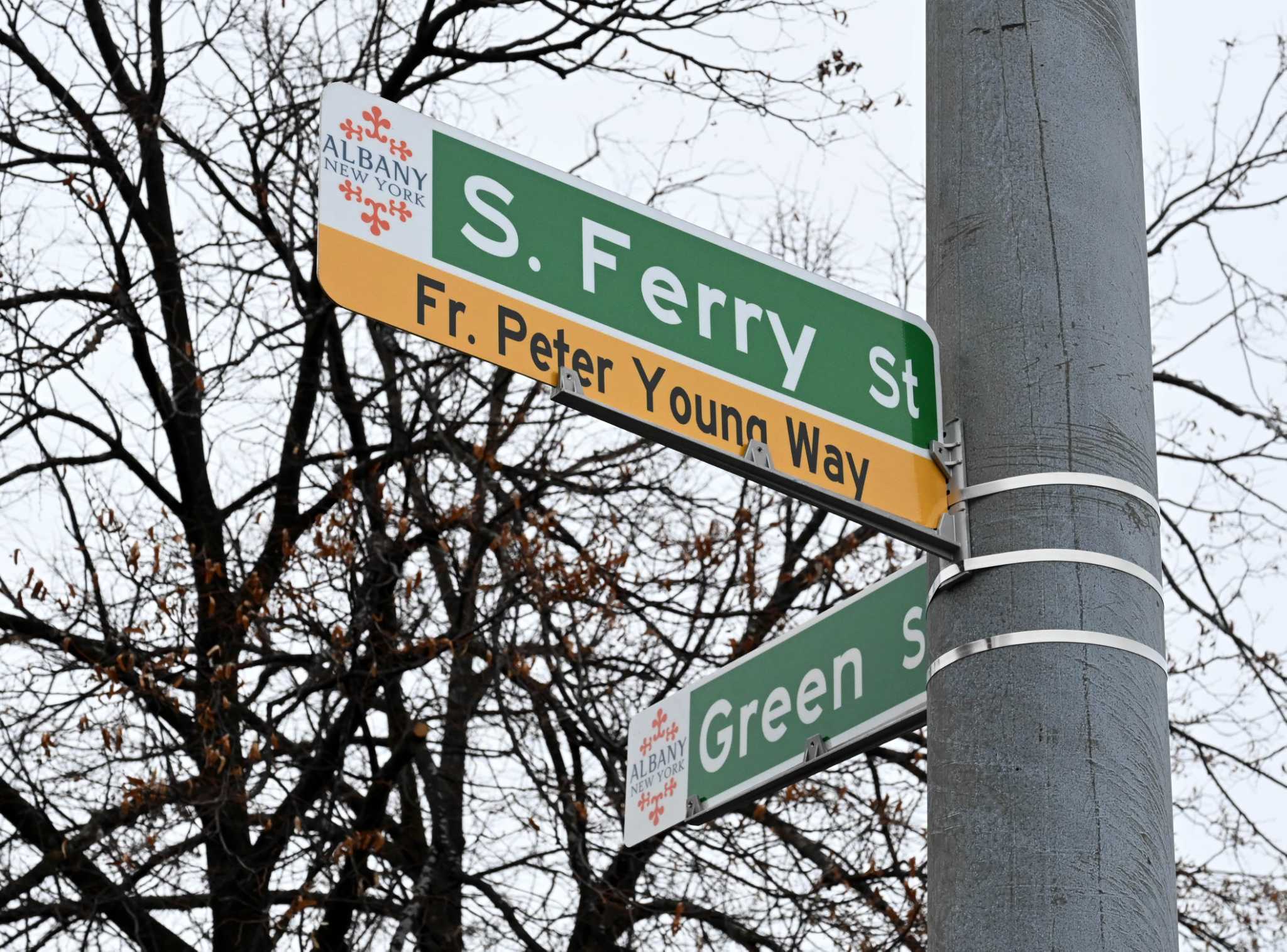
During a recent caucus meeting, council members paused their discussions over the city’s pressing budget crisis to debate the procedures for honoring noteworthy citizens, as detailed by Times Union Patrick Tine. About a year ago, Albany moved away from a longstanding tradition that limited honorary street names exclusively to the deceased. The legislative shift allowed streets to be named after living and dead individuals alike.
Proponents of the change believed it would be meaningful to bestow the honor while honorees were still alive. Councilman Derek Johnson described the intent as letting people “smell their flowers.” However, the relaxation of the rules quickly generated an influx of requests. Mr. Johnson noted that he received a proposal to name a street after a preteen.

Weighing the Risks of Honoring the Living
The Times Union editorial contends that honoring living individuals introduces unnecessary complications. Naming a street after someone who is still alive leaves open the possibility that the person could subsequently engage in conduct that dishonors the tribute. Furthermore, the financial costs associated with naming a street are not negligible, and the editorial asserts that once a street has been given an honorary name, it should stick.
History shows that perceptions of even deceased figures can shift over time. Former Mayor Kathy Sheehan removed a City Hall statue honoring Philip Schuyler, a Revolutionary War general and one of colonial Albany’s notable enslavers, illustrating that societal values evolve.

During the council meeting, Councilman Owusu Anane suggested an alternative approach to generate revenue: selling honorary street names to entrepreneurs, businesses, or individuals. The editorial firmly rejects this proposal, arguing that Albany’s history is too proud for commercialized street names such as “Crumbs Along the Mohawk Way.” While Mr. Anane’s suggestion aimed to address the city’s urgent fiscal challenges without resorting to a compulsory commuter tax on out-of-towners, the editorial concludes that the city should simply revert to its prior tradition of bestowing street honors exclusively posthumously.