Tracing the Ancient Celtic Roots of Samhain on Philadelphia Streets
“There’s folk stories. There’s pseudo-history stories. There are medieval tales. There are legends,” Joseph Lennon, director of the Center for Irish Studies at Villanova University, told WHYY. “So all woven throughout that are stories of this night when the door between the worlds is the most porous.”
As ghouls, goblins, and witches fill Philadelphia streets through Saturday evening, residents across the region are looking past modern commercial candy runs to explore the ancient Celtic festival of Samhain. From Delaware County to Chester, Montgomery, and Bucks counties, the traditional roots of Halloween are stepping out from folklore and into public view.
The History of Samhain and the Veil Between Worlds
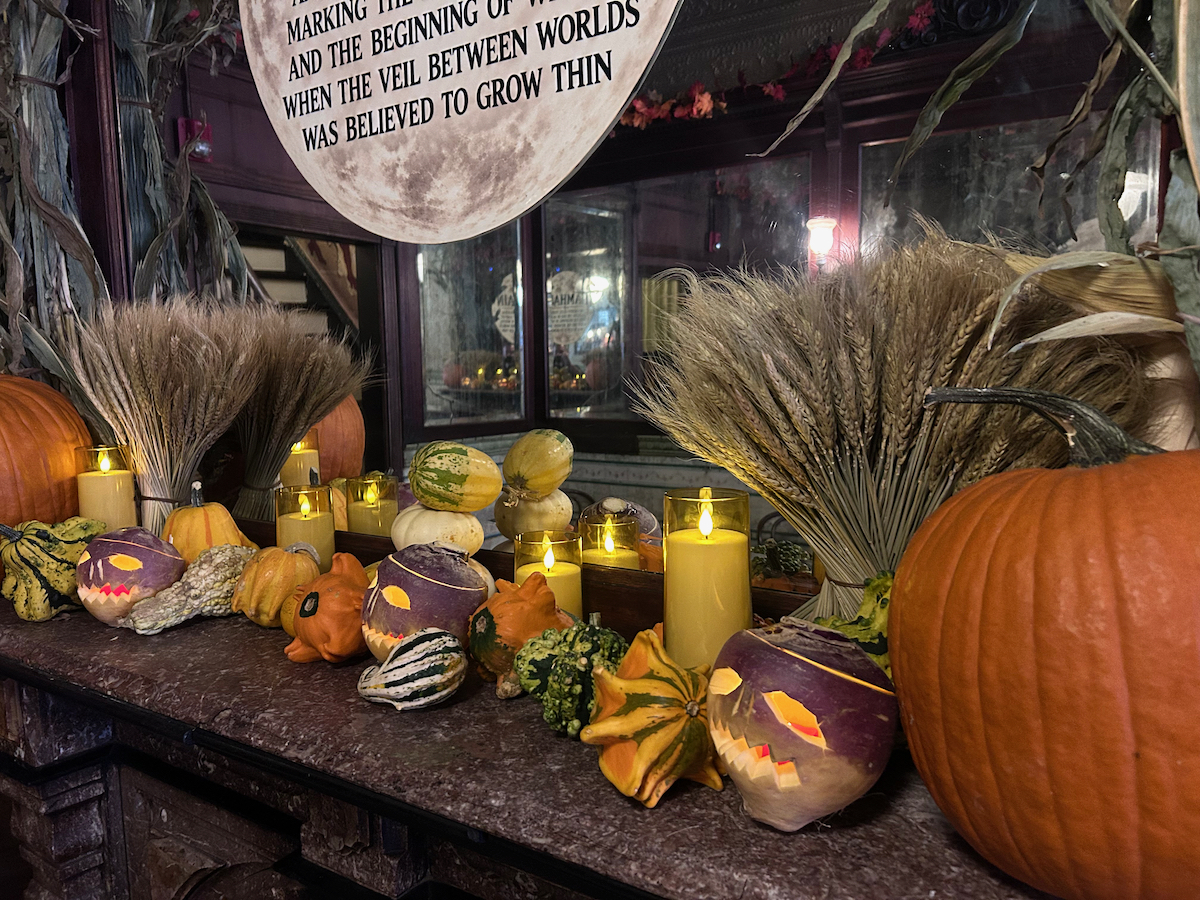
Pronounced SOW-in, Samhain is the Irish word for November, as Lennon explained to WHYY. Historians trace the holiday back to Neolithic times in Ireland, Britain, and other Celtic regions. Communities marked the end of the harvest season and the onset of winter by building fires, carving turnip heads, and eating sweets on the night sitting halfway between the fall equinox and the winter solstice.
Samhain served as a major seasonal turning point where the boundary between the physical world and the Otherworld thinned. Ancient Celts believed spirits, ancestors, and fairies could cross over during this liminal space. Villagers set aside food for departed family members, lit bonfires for warmth against the gathering darkness, and donned masks to conceal their identities from unpredictable supernatural visitors.
Lennon noted to WHYY that the custom of children dressing in costumes originated from a very specific fear regarding these unearthly worlds:
“That’s when you have to be careful of the good people from the other side coming over to snatch children,” Lennon said. “So you have to disguise your children, preferably as something ugly and and grimy or grubby or scary, so that they won’t look like the sweet innocents that they are to be taken away to the other side.”
Bringing Heritage to Old City
For some Philadelphia business owners, these traditions are not just history books. They are childhood memories. Neill Laughlin, co-owner of Sassafras Bar and Restaurant in Old City, grew up in Belfast, Northern Ireland, carving turnips—pumpkins were unheard of—and wearing masks. On the night of October 31, he and his peers performed songs and recited rhymes to receive money from neighbors before gathering with their families for a meal and storytelling.
To share that heritage, Laughlin and his business partner, Donal McCoy, who is also Irish, hosted a Samhain street festival outside their restaurant on Saturday, October 31, 2026. The event featured musicians, jugglers, stilt walkers, fire dancers, and a menu of Samhain-themed cocktails.
“I feel like Halloween’s kind of gotten away from its origins, where it’s more for children collecting candy, and I think today people are interested in the origins of events and what starts them and where did they come from,” Laughlin told WHYY, noting the festival lets Irish people hold onto their roots while teaching locals about the holiday’s true beginnings.