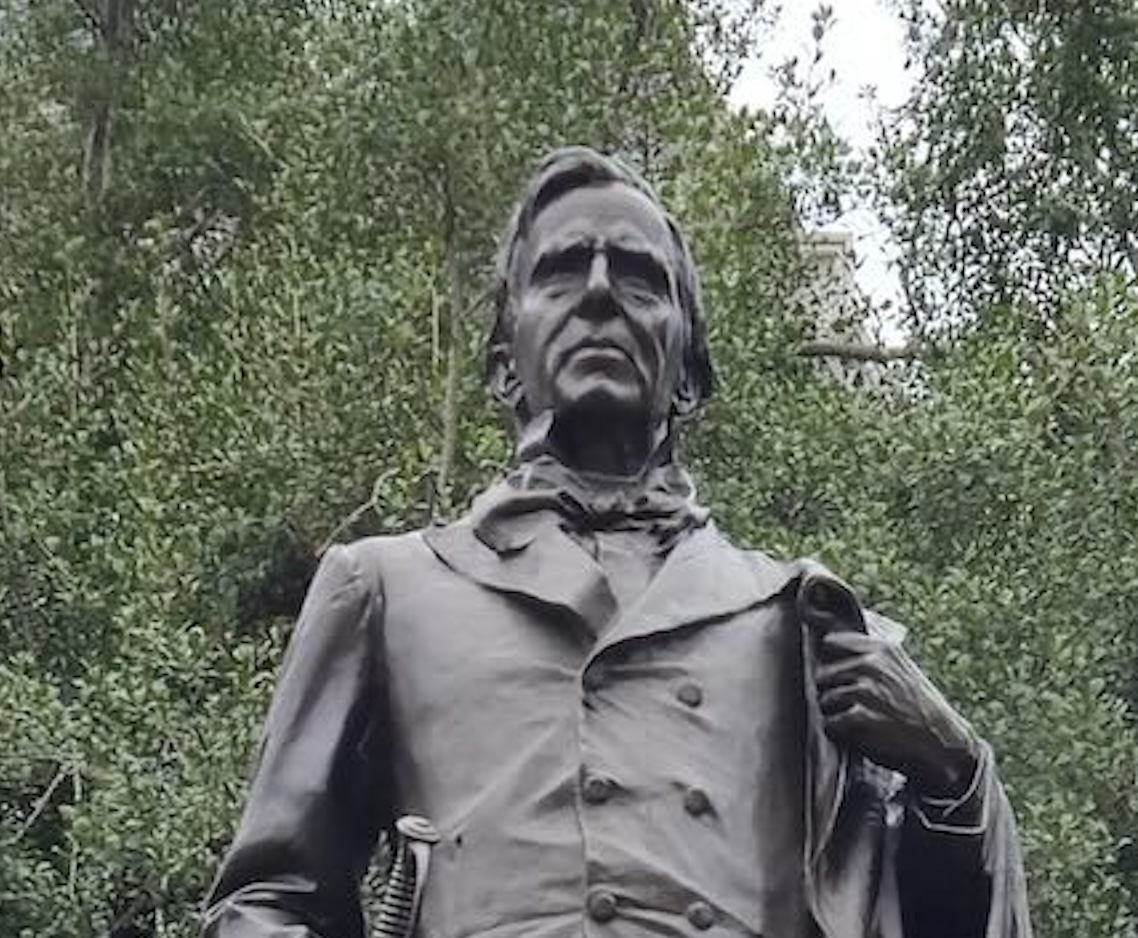
Richmond Removes Final Capitol Square Monuments
When crews rolled into Richmond’s Capitol Square on August 28, 2026, they quietly dismantled the three Confederate-related statues standing on Virginia state grounds, bringing an end to an era of hidden history that had managed to survive the COVID-era removal frenzy. While famous memorials along Monument Avenue and inside the Virginia State Capitol building were cleared away years prior, these three civic statues had remained entirely in plain sight, protected because they sat on state land outside the jurisdiction of the City of Richmond. John Coski, long-time Richmond public historian at The American Civil War Museum, had recommended a visit just weeks earlier, warning that ongoing legislative discussions placed their future in jeopardy. Now, those bronze figures of Dr. Hunter Holmes McGuire, Governor William “Extra Billy” Smith, and Thomas J. “Stonewall” Jackson are gone from the capital lawn, bound for new contexts in the Shenandoah Valley.
Statues Honor Civilian Achievements Instead of Military Careers
Unlike the monuments to Confederate military figures along Monument Avenue, the Capitol Square statues were originally erected to honor civic, professional, and statewide contributions. Keven Walker noted that these figures were memorialized for the totality of their careers and their massive impacts on the commonwealth. McGuire, though famously known as Stonewall Jackson’s medical director, was depicted in civilian attire with medical books under his seat to honor his work founding Richmond medical schools and leading the American Medical Association. Smith appeared in formal attire as a statesman, governor, and U.S. congressman who carried a blue umbrella into battle during his sixties. Meanwhile, the Jackson monument carried a unique transatlantic history, commissioned not by local mourners, but by a collective of “English gentlemen” admirers who began fundraising overseas just weeks after his 1863 death.
Let the spirit and design, with which we erect the memorial to-day, admonish our whole country that the actual reconciliation of states must come… but that its work will never be complete until the equal honor and equal liberties of each section shall be acknowledged, vindicated, and maintained by both. — Governor James Lawson Kemper, October 26, 1875
Unveiled before tens of thousands of onlookers on October 26, 1875, and sculpted by Irish-born artist John Henry Foley, the Jackson statue was framed by Governor James Lawson Kemper as a symbol of reconciliation and mutual respect. Yet that intended harmony could never fully detach the statues from the contested legacy of the Confederacy, ultimately sealing their removal.
Relocation to Battlefield Parks
The removed monuments have been entrusted to the SVBF following a state budget provision signed by Governor Abigail Spanberger. The McGuire and Smith monuments have already been re-erected at the visitor center complex at the Third Winchester Battlefield Park. Jackson’s statue is scheduled for installation at the Cross Keys battlefield site, with educational signage and completion timed ahead of the campaign’s anniversary in June 2027. Alongside these relocations, the foundation has dedicated new markers—such as one honoring Thomas Law, an enslaved man and spy whose intelligence enabled the Union victory at Third Winchester in 1864—expanding the physical terrain to reflect a more complete American story.

More on Monument Avenue
WATCH: Three Confederate statues removed from Richmond's Capitol Square https://t.co/A7ROurpEdo