Pikka Pauses at 70,000 Barrels as Alaska North Slope Forecasts Hang in the Balance
Alaska North Slope oil production has hit a temporary speed bump. Santos, the Australian operator of the new Pikka field, announced in its third-quarter report released on October 22, that it will hold production at approximately 70,000 barrels per day “for a short period of time” before resuming its climb toward an 80,000-barrel target, according to the Alaska Watchman.
The intentional hold is designed to let water injection replenish reservoir voidage. “This is a deliberate decision, and part of our disciplined approach to reservoir management,” Santos CEO Kevin Gallagher stated in the report. The company has not specified how long the plateau will last.
Pipeline Damage and Weather Events Lower Production Guidance
Before the third quarter ended on September 30, Pikka briefly topped the 80,000-barrel threshold. Operations were subsequently curtailed twice. First, a weather event impacted the field’s seawater treatment plant during its startup phase. Second, a road accident damaged the Kuparuk pipeline, prompting its operator to shut the line down and suspend import gas supplies to Pikka while conducting integrity checks.
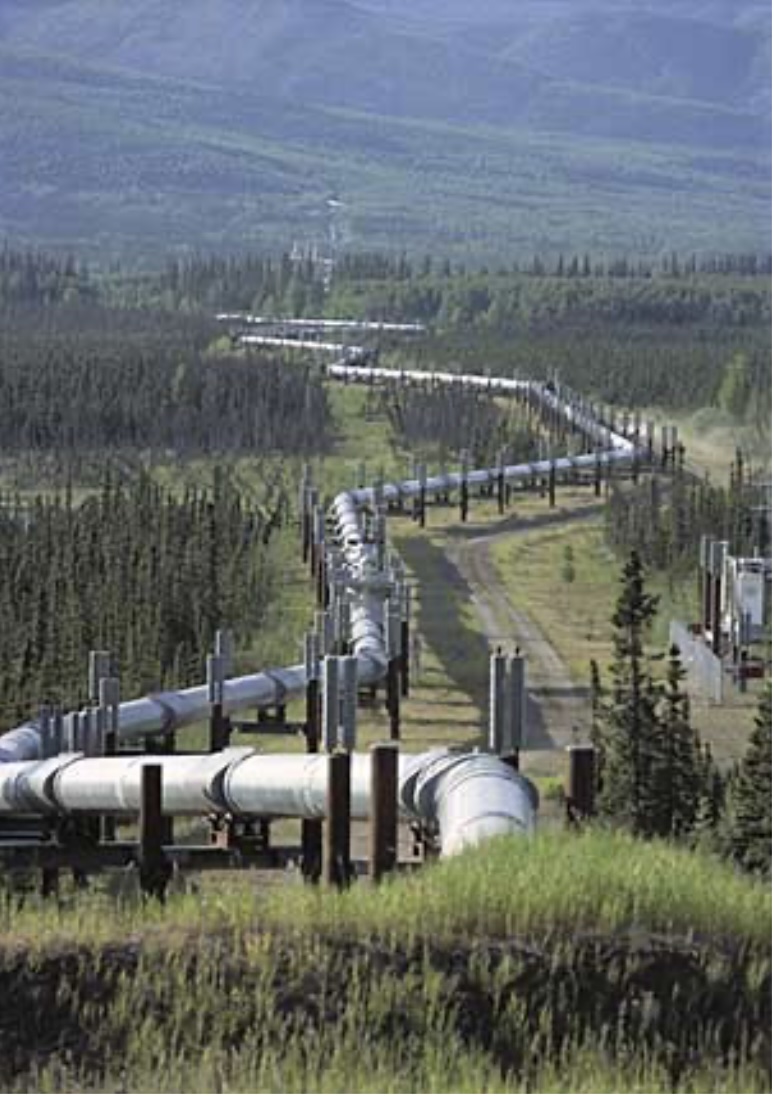
These hiccups forced Santos to narrow its 2026 production guidance down to a range of 99 million to 102 million barrels of oil equivalent, sliding from an earlier outlook of 99 million to 105 million. Reuters reported that the downward revision occurred despite record third-quarter output, dragging Santos shares toward their weakest session in three weeks.
If Pikka reaches plateau on the revised timetable, I’d expect most of today’s concern to fade. Another delay would likely test investor patience. — Greg Smith, Generate KiwiSaver
Despite the operational pause, overarching production figures remain strong. North Slope production reached 562,647 barrels on October 12, running about 20% higher than the prior year’s average. Suzanne Downing reported that daily readings have climbed past milestones not witnessed in 14 years, driven heavily by momentum from the Pikka oil development.
State Revenue Projections Meet High Crude Prices
State budget writers are tracking these barrel counts closely against a backdrop of soaring commodity prices. In its Spring 2026 Revenue Forecast, the Alaska Department of Revenue projected that North Slope output would average 518,500 barrels per day for fiscal year 2027, which kicked off on July 1. That anticipated volume is higher than the 459,200 barrels projected for fiscal 2026 and the 468,000 barrels produced in fiscal 2025.
At the same time, global market disruptions tied to conflict in the Middle East have pushed crude prices well past state assumptions. While the Department of Revenue initially based its fiscal 2027 math on a $75 per barrel price, Alaska North Slope crude approached $128 a barrel by October 21. Department sensitivity tables indicate that a sustained $125 price could generate roughly $9.3 billion in total unrestricted revenue, compared with $6.7 billion under the official forecast.
As state officials weigh those financial models, the immediate question for budget writers and investors alike remains fixed on the Pikka reservoir. How long Santos holds production at 70,000 barrels a day will determine whether the state’s ambitious volume targets stay securely on track.