Three Former West Virginia Mountaineers Will Face Their Old Team This Season
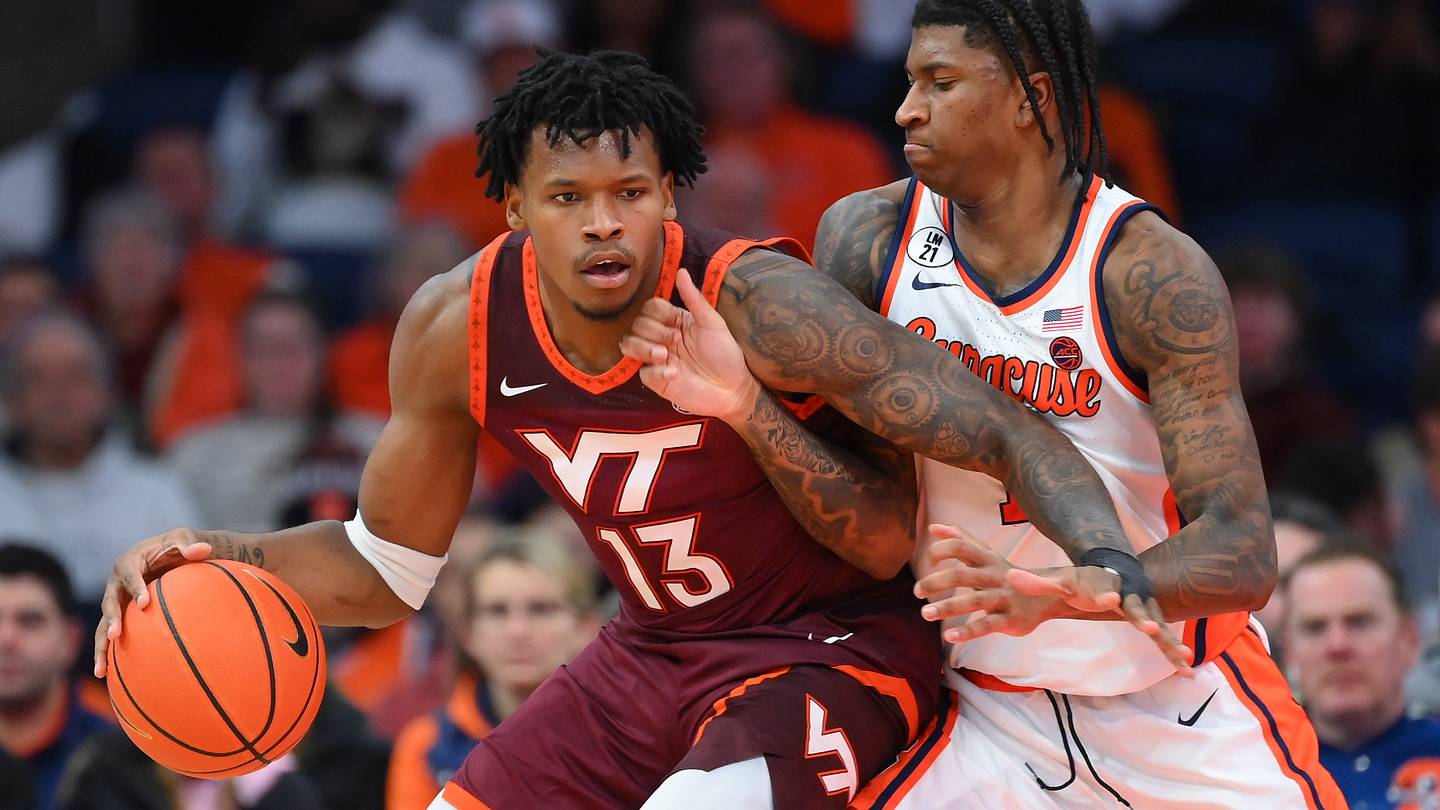
On December 5, 2026, Amani Hansberry will step onto the hardwood at West Virginia’s Hope Coliseum as a Virginia Tech Hokie, facing the team he once called home. Jonathan Powell will suit up for Pitt against his former teammates, and DJ Thomas will return to Morgantown as a TCU Bear, ready to battle the Mountaineers he left behind. These matchups, reported by si.com, highlight a troubling trend in West Virginia basketball: a revolving door of players driven by years of coaching instability.
The story of these three players is intertwined with the tumultuous tenure of head coaches at West Virginia. The result? A roster in constant flux, with players like Hansberry, Powell, and Thomas leaving after just one or two seasons. News Minimalist noted that the departures reflect “significant roster turnover at West Virginia due to coaching instability over the past four years.”
The Ripple Effect of Coaching Changes
West Virginia’s basketball program has long been a proving ground for talent, but the past four years have tested its resilience. Darian DeVries, who coached the Mountaineers, was the most recent to leave under controversial circumstances. His departure in 2022 for Indiana sparked a chain reaction: assistant coach Chester Frazier followed him, and players like Hansberry, who had built a close relationship with Frazier, began exploring transfers. Hansberry’s move to Virginia Tech, where Frazier now serves as an assistant, was not just a career decision—it was a return to familiar territory.
Jonathan Powell’s story is equally tied to the coaching carousel. After a promising freshman season in 2023, Powell found his role shrinking under new leadership. He transferred to North Carolina, only to see his opportunities diminish further. He had landed at Pitt, where he now prepares to face his former team.

DJ Thomas’s departure in 2024 was the most surprising. His return to West Virginia in March will be a bittersweet moment, a reminder of what could have been.
Player Departures Threaten State Basketball Stability
West Virginia’s basketball community has seen its share of heartbreak, from missed tournaments to underwhelming seasons. The departure of high-profile players like Hansberry, Powell, and Thomas has left a void that’s hard to fill.
The economic impact is equally significant. College basketball is a multi-million-dollar industry, and instability at the top can ripple through the entire ecosystem. Coaches’ salaries, facility upgrades, and sponsorship deals all depend on the program’s performance. When players leave, it affects recruiting, fan engagement, and even local businesses that rely on game-day revenue. As one WVU alum put it on social media: “It’s not just about the game. It’s about the community we’ve built and the future we’re trying to protect.”
Yet, there’s a counterargument.

What’s Next for West Virginia?
The upcoming games against Hansberry, Powell, and Thomas will be more than just tests of skill—they’ll be moments of reckoning. For West Virginia, they’re a chance to prove that the program can adapt and rebuild. But the road ahead remains uncertain. With the coaching situation still in flux, the Mountaineers will have to rely on their current players to carry the torch.
As for the three former Mountaineers, their journeys reflect the broader challenges of college basketball. They’re not just athletes; they’re individuals dealing with a system that values results over relationships. Their stories are a reminder that behind every transfer, every game, and every headline, there’s a human element that can’t be ignored.
For now, the focus is on the court. On December 5 and March 3, the Hope Coliseum will be filled with fans eager to see how the Mountaineers respond. The outcome of these games could shape the program’s future—and perhaps, its identity.