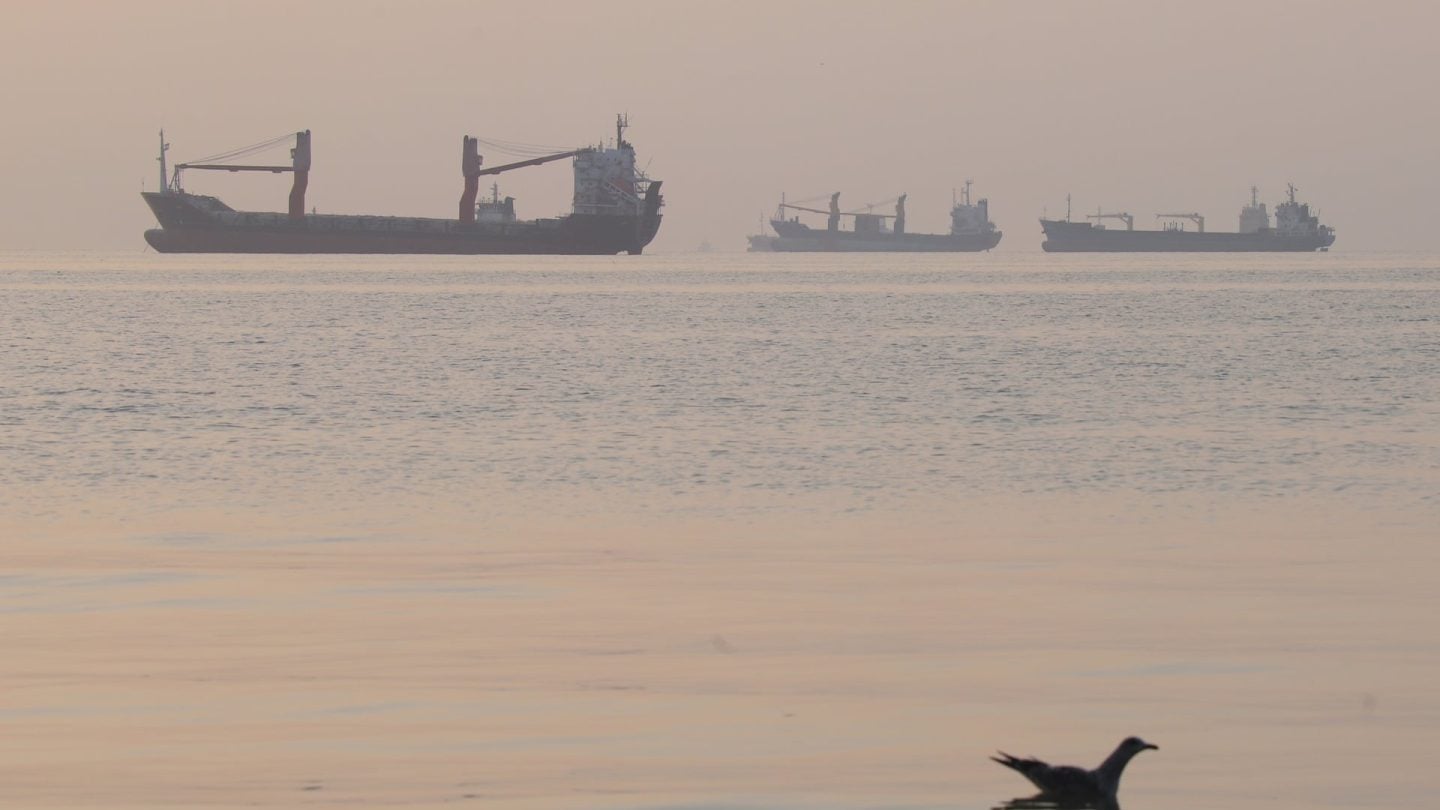
Diplomatic efforts to avert a full-scale renewal of the eight-month U.S.-Iran war intensified this weekend as Qatari mediators shuttled new proposals between Tehran and Washington. Officials are racing to secure a framework to reopen the Strait of Hormuz and address nuclear concerns before the U.S. midterm elections on November 3.
Qatari-Led Negotiations in Tehran and Doha
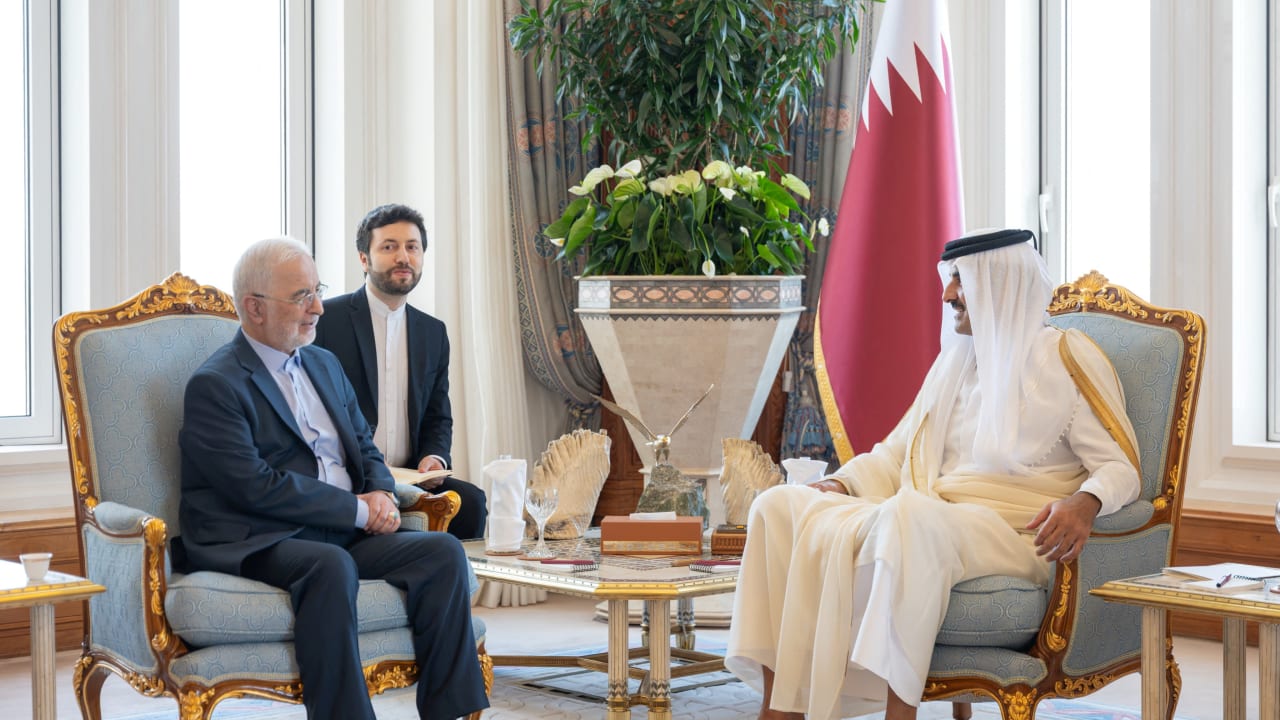
Qatari mediators spent Friday in Tehran conducting marathon talks, marking the latest attempt to break the impasse that has left the Persian Gulf region vulnerable to potential military escalation. This diplomatic push follows an outright rejection by Iran of an earlier draft delivered alongside an October 25 letter from Vice President JD Vance. That letter, which proposed direct U.S.-Iran talks with nuclear issues included from the start, represented a departure from Tehran’s earlier insistence that hostilities end before nuclear discussions begin.
It also proposes reopening the Strait of Hormuz to international shipping within seven days of a formal agreement. Dr. Ali Bagheri, the deputy secretary of Iran’s national security council, has signaled flexibility, suggesting Iran might be willing to reduce that reopening window to four days.
President Trump’s Stance and the November 3 Midterms
President Trump has consistently signaled that he is in no hurry to conclude the hostilities, describing the situation as not a typical war.
His administration has maintained that any agreement must include a total guarantee that Iran will never possess a nuclear weapon. Special Presidential Envoy Tom Barrack declared the two sides were very close
to a de-escalation understanding, framing it as a necessary breather rather than a final settlement.
The urgency of the current talks is tied directly to the upcoming U.S. midterm elections. White House Principal Deputy Press Secretary Anna Kelly told The Jerusalem Post that the United States would not be attacking Iran prior to the vote.
Regional Vulnerability and the Strait of Hormuz
For nations in the Persian Gulf, the prospect of renewed conflict brings deep unease. Analysts note that regional air defenses, while improved since February 2026, cannot guarantee total protection against missile and drone attacks. Thomas Juneau, a professor at the University of Ottawa, described the position of Gulf states as a lose-lose situation,
noting that the region has been left exposed despite U.S. efforts to bolster defenses.
The economic impact of the war remains severe. Brent crude futures for December rose 2.4%, settling at $117.64 a barrel on Friday as traders anticipated potential supply disruptions. The U.S. naval blockade, which resumed on July 14, has already turned away more than 130 vessels. Iranian Supreme Leader Mojtaba Khamenei warned via Telegram on Saturday that any new threats would be met with an immediate, impactful, and geographically unrestricted response.
This threat underscores the risk that, should the current diplomatic window close, the conflict could expand to target energy infrastructure and critical assets across the broader region.
The Diplomatic Track: A Broader Security Vision
Beyond the immediate U.S.-Iran impasse, regional powers including Turkey, Pakistan, and Saudi Arabia have engaged in separate talks in Tehran to discuss a long-term security architecture. On October 23, foreign ministers of the E4+R4 met in Istanbul to discuss defending Saudi Arabia against Houthi offensives and preserving the viability of a two-state solution. Following this, security chiefs from Pakistan, Turkey, and Saudi Arabia met with Iranian leaders in Tehran to discuss terms for ending the Yemen conflict.
This effort seeks to move away from total reliance on U.S. military intervention and toward a non-aggression pact that would see Iran re-engaged with its neighbors, a goal that would mark a major change since the 1979 Islamic Revolution. While Saudi Arabia and the UAE have faced internal strain, experts suggest these setbacks may paradoxically increase the potential for greater Gulf Cooperation Council (GCC) cohesion. As the war continues, with President Trump asserting that the conflict is not a typical war and claiming that the U.S. has offset its military expenditures, the initiative’s underlying commitment to de-escalation is viewed by many as a potential path to regional stability.