The traditional structure of college football is undergoing a rapid contraction as the sport pivots toward a 24-team playoff format.
With an expanded 24-team College Football Playoff set to debut in 2027 under a nearly $1.7 billion agreement with ESPN reported by ESPN, major conference championship games are coming to an end.
The Elimination of Conference Title Games
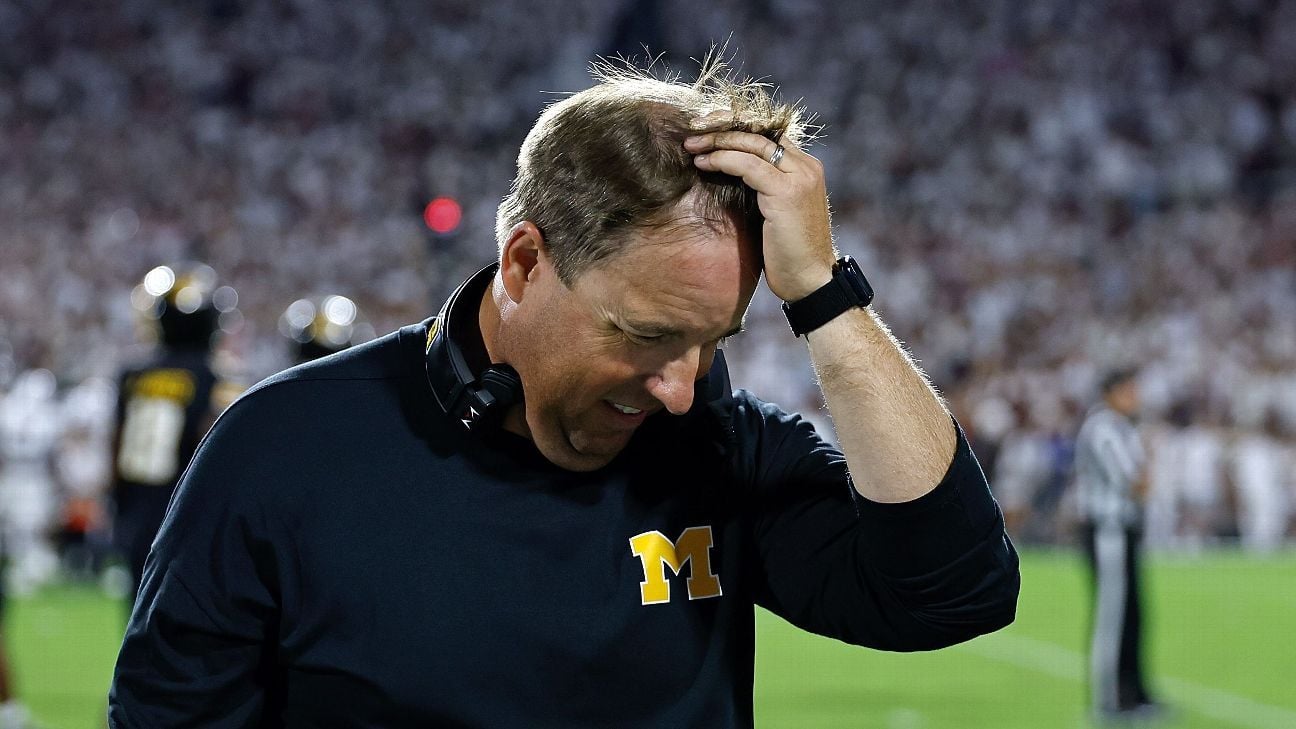
The SEC announced that its 35th championship game, which will be played Dec. 5 at Mercedes-Benz Stadium in Atlanta, will be the final one. Missouri coach Eli Drinkwitz is questioning the need for an SEC — or Big Ten, ACC or Big 12, for that matter — if there aren’t going to be conference championship games in the 24-team CFP era.
Times are changing, so you’ve got to adjust with the times. But my question is why are we associated with conferences anymore if we’re not playing for a conference championship? If the point now is just to be playing into a sea of 24, are we just doing it for scheduling affiliation? If we’re just doing it for scheduling affiliation, is there a reason to be flying all the way across the country to play games from a national perspective?
Eli Drinkwitz, Missouri coach
The new playoff format, I think, forces everybody’s hands into this. I don’t know my feeling. I don’t like it, personally. Right now, you’re like, ‘Man, all of the championship games are going away.’
Eli Drinkwitz
“[If] you look back into the decisions we've made in college football for the last six years, and we've made them to where we're at now, I think you look back and now we've devalued some of the things that made college football so special,” Missouri coach Eli Drinkwitz said, noting that recent years have seen the sport change rapidly through NIL, the transfer portal, realignment, and the expanded playoff.
Uncertain Future for the Bowl System
Beyond the regular season and the new playoff bracket, the traditional bowl lineup faces a major squeeze. With the new 24-team playoff field debuting in 2027, the larger field wipes out the top six non-CFP bowl matchups where teams regularly competed in events like the Citrus, Alamo, ReliaQuest, and Pop-Tarts bowls. Meanwhile, the CFP bowls will remain unchanged through at least 2032.
Bowl Season executive director Nick Carparelli said that while discussions continue, the marketplace will decide which destinations survive.
It’s too early to know how many bowl games we’re going to have moving forward.
Nick Carparelli, Bowl Season executive director
Carparelli added that the Power 4 conferences have made clear they want to play one another in bowl games, and if those four conferences work together as a group, one idea includes pooling their non-CFP teams and allowing around 10 bowls to choose their matchups so that the math always works out.
Viewership Figures Sustain Network Support Despite Playoff Changes
Despite losing teams to the expanded playoff, the broader bowl ecosystem retains strong backing from networks due to viewership figures. By mid-December in 2027, 16 of the 24 CFP teams will be eliminated, but audiences will still tune in.

Last year, 12 non-CFP bowl games generated more than 3 million viewers, led by the Michigan-Texas Citrus Bowl matchup with 9.1 million and the Pinstripe Bowl between 7-5 Clemson and 6-6 Penn State pulling 7.6 million. Eight non-CFP bowl games drew more viewers than a prominent regular-season men’s basketball game between Duke and Michigan, which averaged 4.32 million viewers.
Those numbers frequently outpace standard regular-season programming.
That far outrates any sports programming that ESPN could possibly put on during the month of December, outside of the NFL.
Nick Carparelli, Bowl Season executive director
College Football Playoff Executive Director Rich Clark addressed fan pushback directly regarding the expansion.
We’re aware of the fan sentiment, and that many fans aren’t in favor of expansion. That was certainly weighed into the decision and it was considered. … I mean, the CFP has a responsibility to our fans, they’re the lifeblood of college football. … We appreciate our fans. We did take into account their sentiment… but we decided to move forward with it.
Rich Clark, College Football Playoff Executive Director