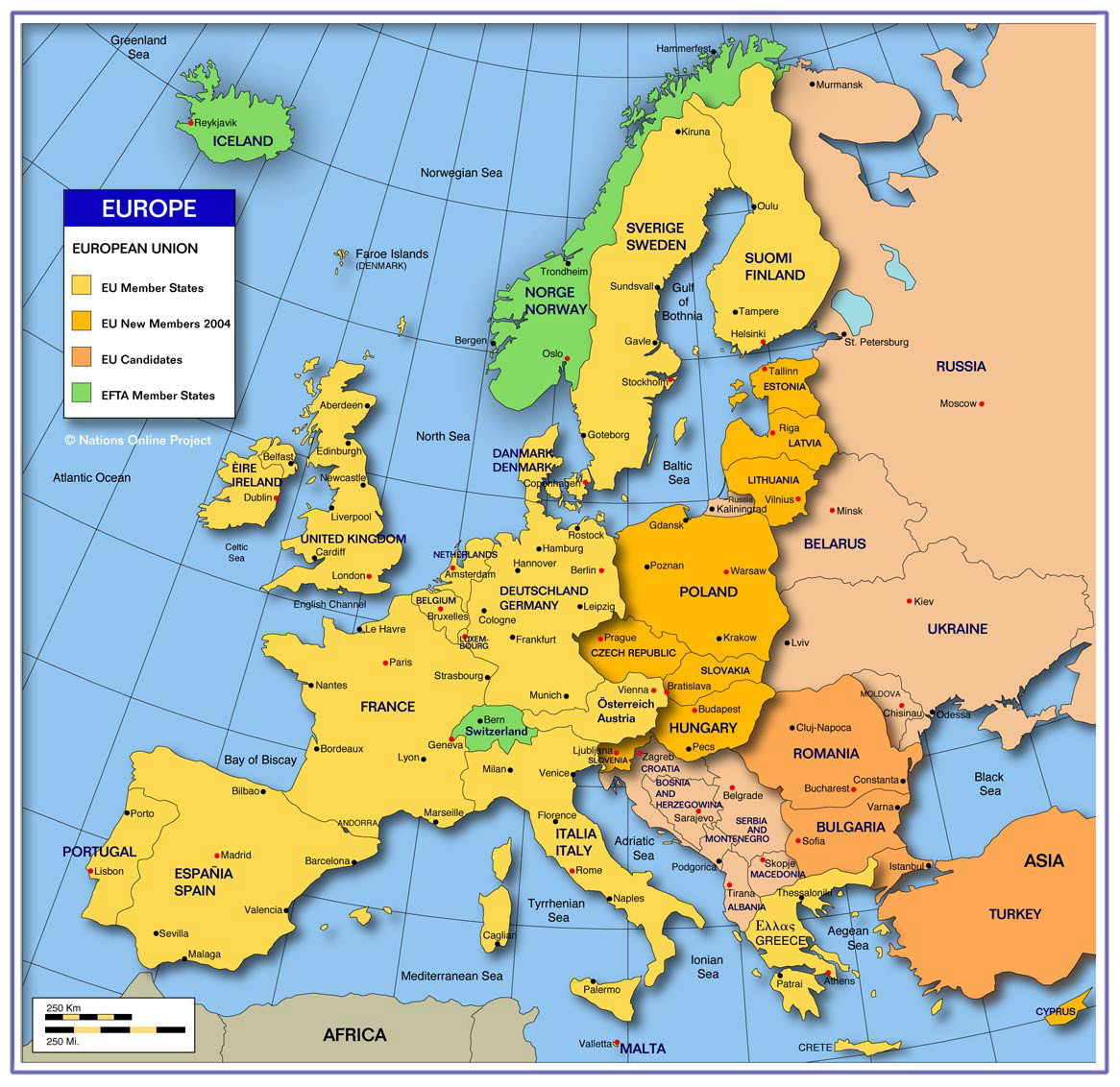
European markets experienced a mixed session on July 15, 2026, as investor caution over escalating Middle East tensions countered strong technology sector gains driven by chip equipment maker ASML. Meanwhile, earlier regional trading periods reflected currency pressures near two-year lows and anticipation surrounding German business climate data.
Technology Gains Collide with Middle East Tensions
European stocks held largely steady during a mid-July trading session as investor caution over escalating Middle East tensions dampened the enthusiasm surrounding technology shares. The broader market sentiment reflected conflicting pressures: strong corporate guidance from chip-equipment manufacturer ASML boosted tech stocks, while geopolitical friction and climbing energy costs weighed on overall gains.
By 0709 GMT, the pan-European Stoxx 600 index slipped 0.1 percent to 641.07 points, with most sectors recording losses. Yet technology shares managed a 1.4 percent increase, buoyed by ASML’s six percent jump after the company raised its financial outlook for 2026. Semiconductor-related suppliers such as ASM and Soitec also advanced by more than two percent each, supported by growing market confidence in artificial intelligence-related demand.
Energy Markets React to Regional Conflict and Oil Spikes
The economic headwinds extended beyond baseline market caution as crude prices climbed to $85 a barrel. This energy surge followed heightened friction between Iran and the United States, marked by Tehran closing the vital Strait of Hormuz.

Market analysts and portfolio managers examined quarterly earnings reports against this volatile backdrop. Among corporate highlights, shares of Swiss luxury goods conglomerate Richemont—owner of the Cartier brand—surged 5.3 percent following stronger-than-expected first-quarter results that benefited from robust jewelry demand across Asia and the Americas.
Divergent Performance Across Regional European Indexes
German markets underperformed relative to other regional exchanges, pressured by a two percent decline in software giant SAP that dragged the broader German index down by roughly one percent. Other software firms, including Dassault Systemes and Capgemini, also retreated by more than one percent apiece.

Earlier market sessions across Europe had similarly displayed fragmentation as investors braced for key German economic data. During those earlier tracking periods, the Stoxx 600 hovered near 345 points, while London’s FTSE slipped to 6748 points, France’s CAC gained 11 points to reach 4358, and Germany’s DAX ticked up to 9738.
Currency Pressures and Economic Sentiment Indicators
Foreign exchange markets mirrored the broader economic uncertainty. The euro traded higher against the U.S. dollar by roughly 0.08 percent to reach $1.2401, though it remained near a two-year low against the American currency. At the same time, regional economic barometers faced downward revisions. Market surveys conducted by Bloomberg anticipated a dip in Germany’s Ifo business climate index to 103 points from 103.2 the previous October, underscoring the delicate balance between corporate tech optimism and macroeconomic friction.

