
Surging fuel prices and mounting operational expenses drove at least 16 U.S. trucking companies into bankruptcy during late August and September 2026. The crisis pushed diesel to a record average of $6.53 per gallon on September 22, severely compressing margins for small owner-operators and larger freight fleets alike across the country.
Diesel Price Spike Forces Carrier Bankruptcies
The financial strain on American motor carriers reached a critical point as diesel prices hit a record average of $6.53 a gallon on September 22. The sharp spike, intensified by the impact of President Donald Trump’s war with Iran, added $2.76 per gallon to fuel costs over the course of a year according to data from the motor club AAA.
Between late August and September 21, at least 16 transportation and delivery companies filed for Chapter 7 or Chapter 11 bankruptcy protection. These filings affected more than 250 jobs across general freight, last-mile delivery, and specialized hauling sectors. Eight of the carriers sought Chapter 11 reorganization to restructure their debts while keeping doors open, while seven firms chose Chapter 7 liquidation to close entirely and sell off assets.
Among the businesses entering Chapter 11 proceedings were Xoco Transport and Globemaster Inc. Globemaster, located in Bolingbrook, Illinois, reported approximately $1.1 million in assets and $3.26 million in liabilities when it filed in the U.S. Bankruptcy Court for the Northern District of Illinois. Xoco Transport, based in Hidalgo, Texas, operated more than 40 tractors and 65 drivers before filing its petition on September 16.
Additional court filings revealed deep financial distress across multiple states. CLJ Transporting Inc. filed under Subchapter V in Florida with $483,205 in assets against $823,161 in liabilities. Truckload LLC estimated assets between $100,001 and $500,000 and liabilities of less than $50,000. Other companies seeking court protection included Pacer Transport Inc. in Texas, Jett Transport & Materials LLC, RP Hay Hauling LLC, and Truckload LLC in Florida.
California and Regional Pressures on Small Operators
While carriers nationwide absorbed the shock of dearer fuel, fleets operating in California faced an even steeper climb. The average price of a gallon of diesel in California was 32% above the national average. Small-business truckers, who account for more than 90% of all trucking companies in America according to the Owner-Operator Independent Drivers Association, bore the brunt of the surge.
Jagroop Singh Deol, an owner-operator based in Fresno, California, watched his monthly fuel expenditures and operational margins deteriorate rapidly. At the start of the year, filling a truck tank cost $1,000; by autumn, Deol paid more than $1,600 to fill each rig.
“While big oil companies have seen their profits nearly double this year, the sharp increase in diesel cost has quickly eaten up what little margin mom-and-pop trucking businesses have left,”
Lewie Pugh, executive vice president of the Owner-Operator Independent Drivers Assn., via Los Angeles Times
Small-scale operators work load to load and frequently lack the bargaining power of larger competitors to raise freight shipping rates when fuel costs spike. To survive, operators adopted strict cost-saving measures. Larry Cothran, a Cartersville resident and owner-operator who has worked nearly 20 years in the industry, noted that truck drivers are going through a lot right now.
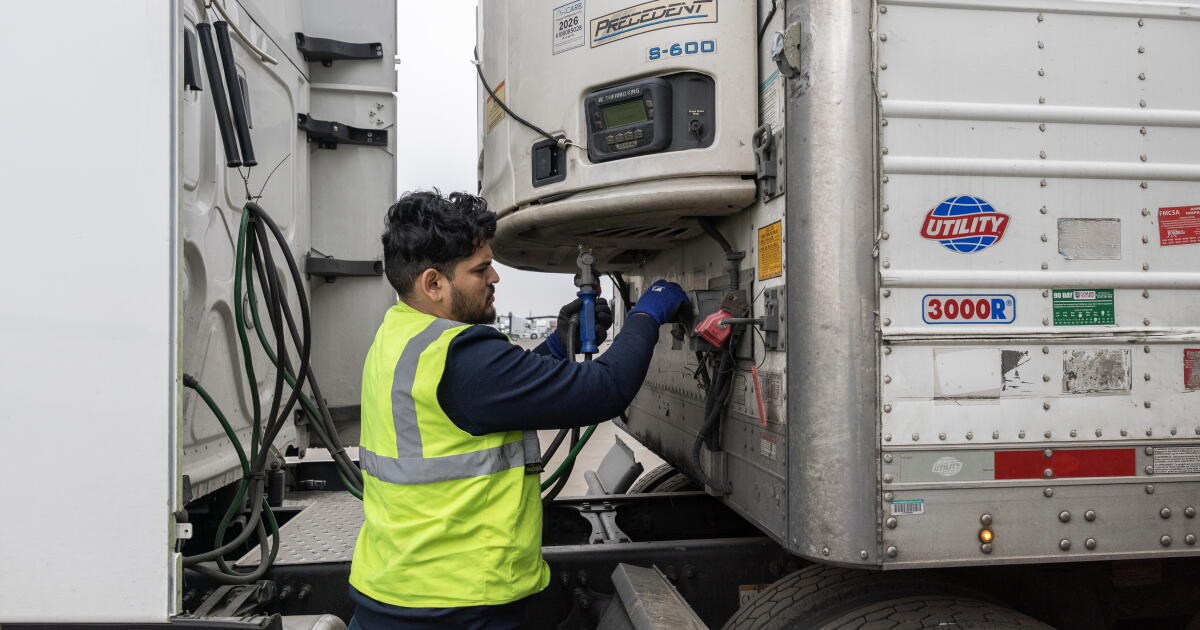
Rising Fuel Bills Compound Carrier Financial Pressures
Soaring fuel bills compounded preexisting financial pressures that included labor, insurance, maintenance, and regulatory compliance. ASM Group logistics experts pointed out that rising fuel expenses suddenly inflate operating costs for motor carriers, compelling them to bump up freight rates to prevent losses, though keeping businesses afloat typically necessitates selling off assets and laying off personnel.
At the same time, regulatory actions tightened the driver pool. For regional operators, finding qualified drivers remained a constant hurdle as the price of diesel climbed 65% from a year ago.
Governors Intervene as High Fuel Prices Threaten Operations
Governors and federal officials moved to intervene as high fuel prices threatened agricultural operations, freight networks, and household retail prices. In Texas, a proclamation temporarily allowed carriers to use dyed diesel on public roads, though the underlying 20-cent-per-gallon state diesel tax remained fully in effect without any waiver or repeal from the emergency orders.
In Georgia, where professional drivers number roughly 75,000, diesel fuel prices hit a record high in September, with the average price for diesel fuel in metro Atlanta standing at $5.88 per gallon after dropping from a record high of $6.39 per gallon on September 23 according to AAA data. Meanwhile, Kansas Gov. Laura Kelly faced pressure from Republicans urging her to make an exception for red-dyed diesel, though she expressed concern that doing so could cause the cost of red diesel to skyrocket.
Seeking to bring down expenses, President Donald Trump issued an executive order on the federal level permitting diesel trucks to run on red-dyed diesel on public highways, though this directive is inoperative in jurisdictions like Kansas where state regulations ban on-road commercial vehicles from utilizing red-dyed diesel. Automotive expert Lauren Fix discussed how rising fuel costs can impact transportation, businesses, and consumers.
Xoco Transport and Globemaster did not specify what led to their bankruptcy filings according to federal court documents, and The Independent contacted the companies for comment. Stacie Sanchez, owner of 2 Lanes Transport, told KSN News she was giving drivers an extra $100 to $300 to help them cover the high cost of diesel, noting that nearly half of her drivers had quit in the last month due to high fuel prices.
In California, Deol has hunkered down by downsizing his fleet from five trucks down to two, halting trading in his car that has been driven more than 100,000 miles. As Deol described the situation, sometimes they are stuck and need to wait it out.


