
In a significant shift in global public opinion, a new Pew Research Center survey has found that China is now viewed more favorably than the United States in 25 of the 36 countries and territories surveyed. This marks the first time in approximately 20 years of polling that China has held a more positive global standing than the U.S.
The report, based on interviews with more than 45,000 people conducted between February 8 and May 13, 2026, highlights a broader trend: while China’s image has improved following the COVID-19 pandemic, opinions of the United States have deteriorated, particularly among long-standing allies.
Factors Driving the Global Shift
Laura Silver, associate director of Pew’s Global Attitudes Research and a study co-author, noted that the results reflect a dual movement in international perception. As the pandemic has faded as a primary concern, China has gained ground by being perceived in many regions as a more reliable partner that contributes to global peace and stability.

Conversely, the U.S. has faced significant criticism regarding its recent international engagements. According to Silver, the survey period overlapped with the U.S.-led war in Iran, and data suggests that as the conflict progressed through March and April, views of the U.S. became increasingly negative. Respondents in many countries expressed a sense that the U.S. was not contributing to international peace, leading to lower confidence in President Donald Trump.
Additional factors contributing to the souring of U.S. opinion include the handling of the Israeli-Hamas war in Gaza, the military capture of then-leader Nicolás Maduro in Venezuela, and various trade tensions, such as tariffs levied against Canada and the U.K.
Regional Disparities in Favorability
The survey reveals a stark divide in how the two nations are perceived globally:

- Emerging Economies: China enjoys high favorability in parts of sub-Saharan Africa, Latin America, and South and Southeast Asia. In Pakistan, 90% of respondents reported a favorable view of China.
- Western Nations: Many traditional U.S. allies have seen a dramatic flip in sentiment. In Canada, favorable views of the U.S. dropped from 57% in 2023 to 33% in the current survey, while favorability toward China rose to 44%. Similar trends were observed in France, Germany, Sweden, and the Netherlands.
- The Asia-Pacific Region: Views here are the most polarized. While China is viewed positively in some areas, it remains unpopular with several neighbors due to territorial disputes in the South China Sea and border conflicts. Nations including Japan, the Philippines, India, and South Korea remain more supportive of the U.S. than China.
Leadership and Values
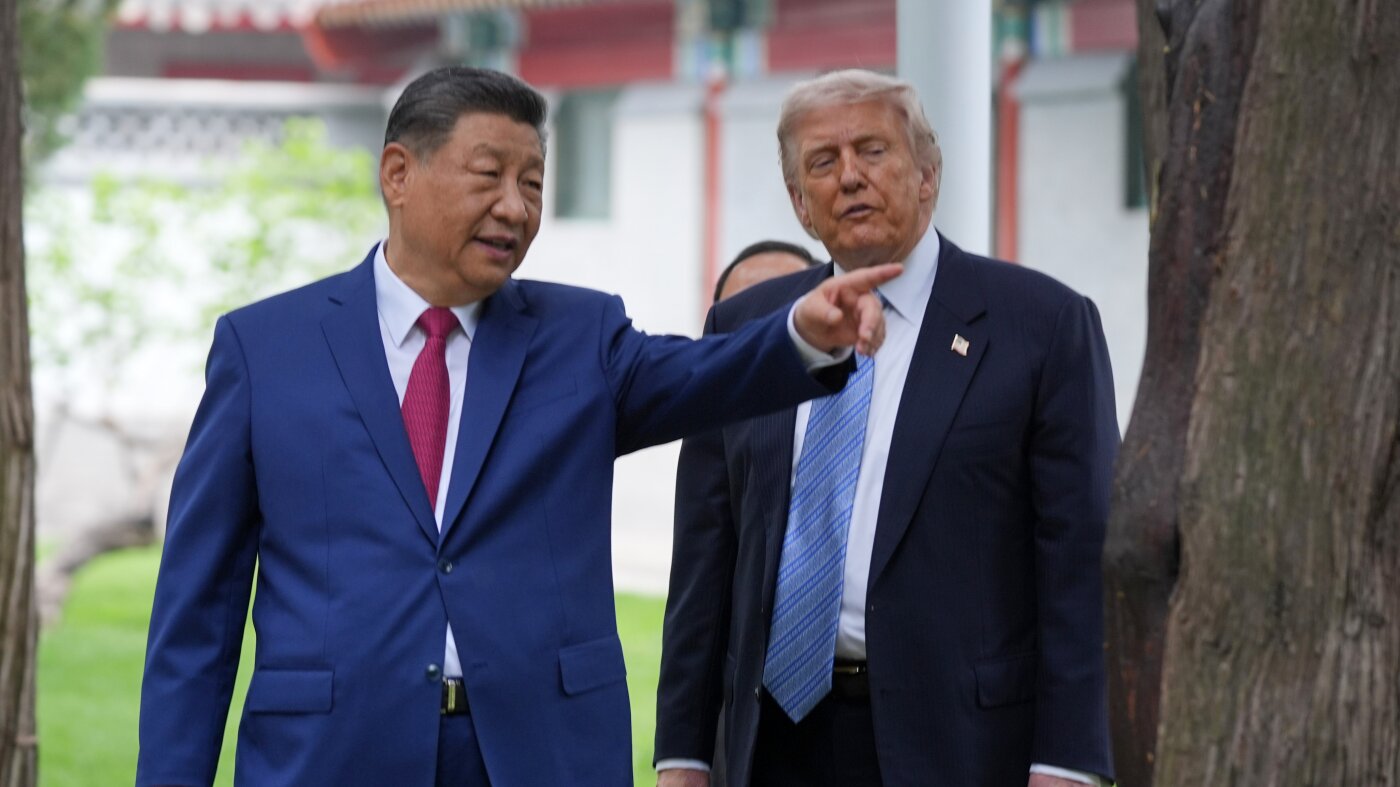
Confidence in leadership remains low for both nations. In 22 of the 36 surveyed countries, more people expressed confidence in Chinese President Xi Jinping than in President Donald Trump to do the right thing regarding world affairs. However, the report emphasizes that in many countries, there is low confidence in both men.
Regarding governance, the U.S. retains a lead over China concerning the respect for personal freedoms, though the gap is narrowing. The Pew report suggests this shift is less about an improvement in China’s human rights reputation and more a result of a decline in the number of people who believe the U.S. government respects the personal freedoms of its own citizens.
Persistent Anxieties
Despite the rise in China’s favorability, the survey confirms that significant anxieties persist. Across the countries polled, respondents expressed ongoing concerns regarding China’s government, specifically:
- Lack of respect for personal freedoms.
- The potential for territorial conflict with neighbors.
- Interference in the affairs of other nations.
The findings underscore that while China has benefited from the recent decline in U.S. global standing, it has not necessarily eliminated the underlying global concerns regarding its own governance and foreign policy. The study, which carries an average margin of error of 3.9 percentage points, highlights a volatile period in international relations where the perceived reliability of global powers is being actively reassessed by populations worldwide.
Find more reporting in our World section.


