Senate Democrats are divided over a high-stakes legislative gamble to use the December 11 government funding deadline to force an immediate end to the military conflict in Iran.
The Hardline Iran Funding Push
Maryland Senator Chris Van Hollen is leading a push alongside Senators Bernie Sanders of Vermont, Michael Bennet of Colorado, and Tammy Duckworth of Illinois to demand that any short-term spending bill restrict the Trump administration from using federal funds to continue hostilities.
Any short-term package must include language that restricts the Trump Administration from using appropriated funds to continue his war against Iran.
Four Senate Democrats, joint statement
The group announced they will oppose any funding deal that lacks language restricting the executive branch from spending federal dollars on the conflict. New York Senator Kirsten Gillibrand joined the effort, working with Duckworth and Elizabeth Warren on a related measure to put senators on record regarding the military spending.
The policy proposal mirrors historical legislative battles from the Vietnam War era. In November statements, Bennet referenced how Congress successfully cut off Richard Nixon’s authority to bomb Cambodia in 1973 as a precedent for lawmakers using the power of the purse to halt ongoing military campaigns.

Democratic Party Rifts Over Shutdown Risks
While the strategy appeals to progressive activists and grassroots organizations, a significant portion of the Democratic caucus is warning against triggering a pre-holiday funding lapse. Senate Democratic Leader Chuck Schumer has stated that the conflict must end while simultaneously insisting that a government shutdown must be avoided.
Other colleagues have voiced direct opposition to using fiscal deadlines as leverage, pointing out that Democrats are just weeks away from assuming control of both congressional chambers in January.
“Nobody I've talked to thinks a shutdown makes any sense,” Senator Jeanne Shaheen said, according to Yahoo. Senator John Hickenlooper similarly declined to endorse the hardline tactic, while Senator Cory Booker emphasized that federal funding must remain stable while the war is brought to a close. Senators Peter Welch and Catherine Cortez Masto also voiced opposition to forcing a funding lapse.
Outgoing New Democrat Coalition Chair Brad Schneider, Representative Scott Peters, and Representative Greg Landsman all cautioned against taking government funding shutdowns casually, emphasizing the negative impact such disruptions impose on the economy and federal workers.
Congressional Negotiations and Republican Warnings
Because Republicans hold 53 Senate seats until the new Congress takes office on January 3, any stopgap spending bill requires at least seven Democratic votes to clear a filibuster. Senate Majority Leader John Thune criticized the demands as unrealistic and warned that a funding lapse would harm the public.
Formally organized on March 6, 1903, Senate Democrats initially operated as a disorganized group that lacked firm written rules or a clear mission before establishing structured leadership. The organization serves as the central front for party members in the United States Senate to communicate a unified message under a single banner, currently numbering 47 members with the inclusion of two independent senators who caucus with the party.
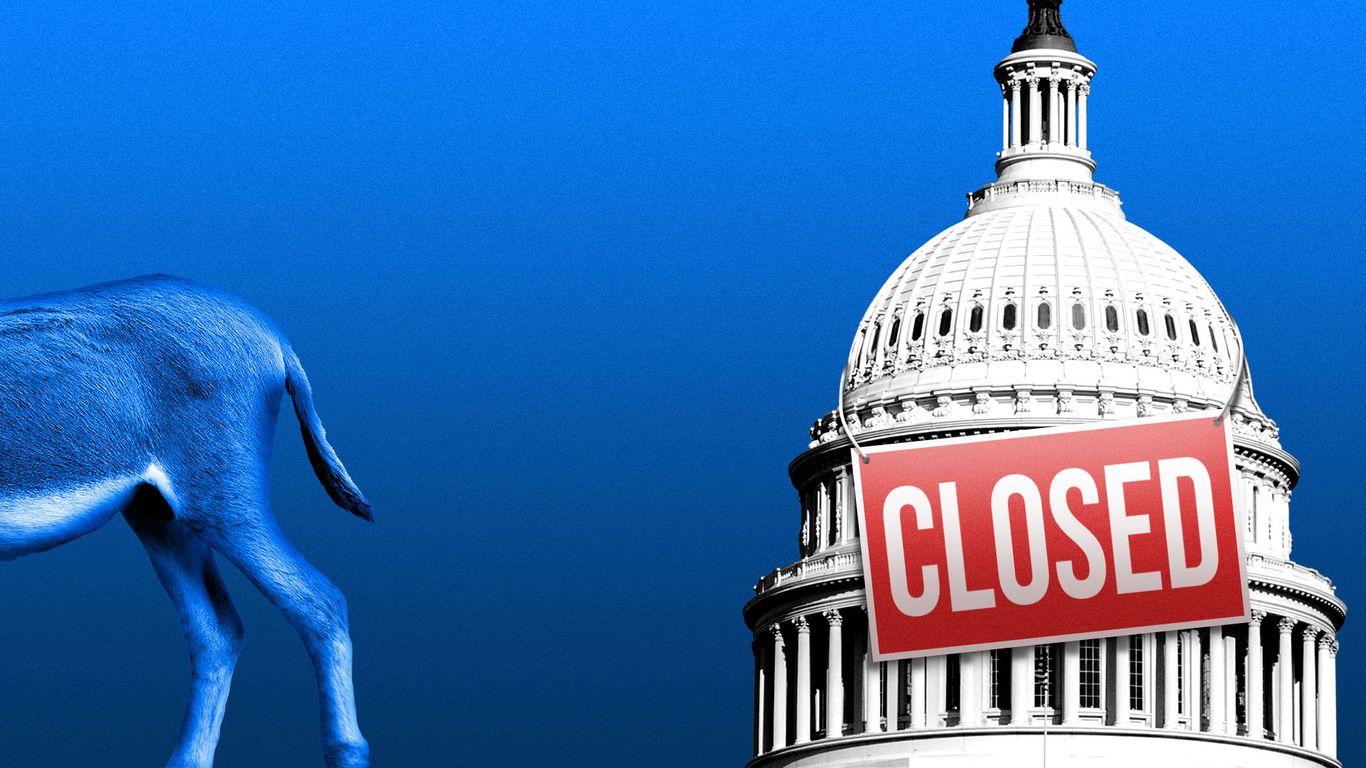
I’m increasingly concerned that the Democrats may try to initiate another — a third — government shutdown this year and that would be a terrible outcome for the American people.
John Thune, Senate Majority Leader
Other Republican lawmakers echoed those warnings regarding the consequences of a funding stalemate. Senator John Kennedy of Louisiana argued that cutting off military funds completely is not a realistic prospect, stating that he refuses to vote to withdraw support from troops currently deployed overseas.
Senate Armed Services Committee Chairman Roger Wicker and appropriator Mike Rounds also questioned whether Senate Democrats have achieved internal consensus on how far to push the funding restrictions.
Earlier coverage: US Spending Deadline December 11: Shutdown Risks and Iran War Standoff