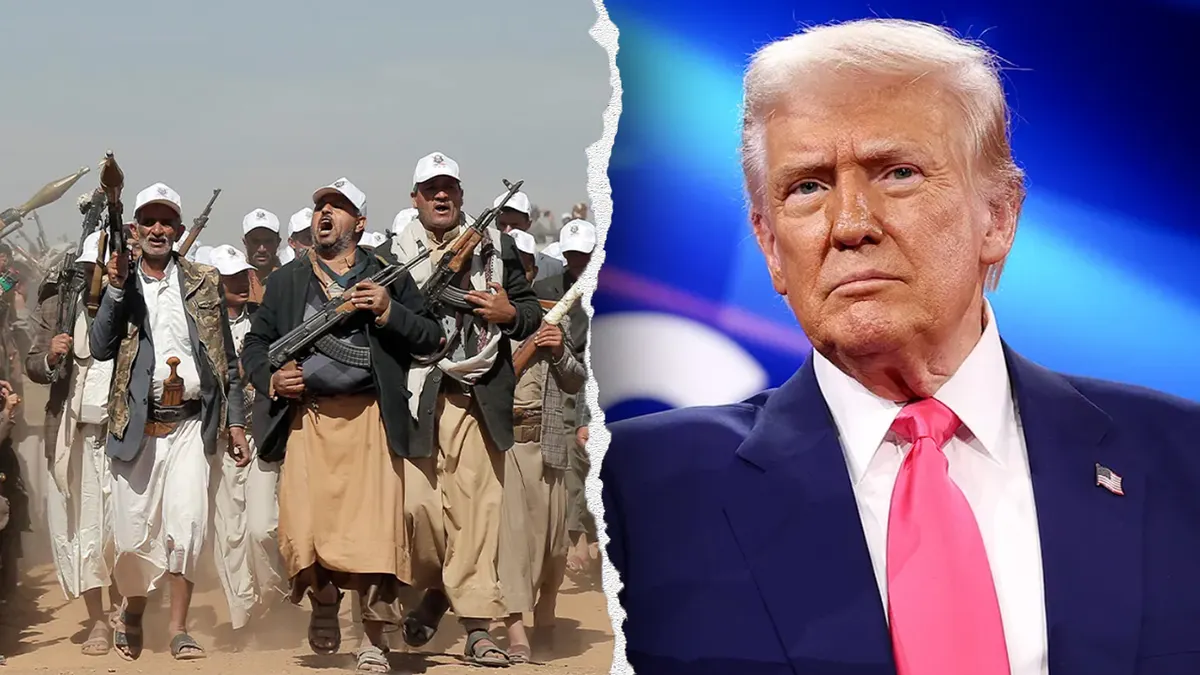
With less than three months before critical elections in the United States and Israel, domestic political pressures are driving President Donald Trump and Israeli Prime Minister Benjamin Netanyahu apart, as the Israeli leader highlights a willingness to defy Washington on Gaza while the White House seeks foreign policy progress.
As election season intensifies in both nations, the political imperatives facing President Donald Trump and Israeli Prime Minister Benjamin Netanyahu are pulling the two leaders in opposite directions. According to reporting by the Washington Post, this divergence has widened a rift between them at a time when support for Israel continues to intensely roil American politics.
Domestic Pressures and Diverging Electoral Imperatives
The current friction stems from contrasting political vulnerabilities in Washington and Jerusalem. While Prime Minister Benjamin Netanyahu has actively touted his willingness to defy the United States regarding the conflict in Gaza, President Donald Trump faces heavy pressure to demonstrate tangible progress in ongoing foreign entanglements that weigh directly on his approval rating.
This political squeeze unfolds with a strict timeline looming. Less than three months remain before critical elections arrive in both the United States and Israel, raising the stakes for any public disagreements between the two allied leaders.
Broader Strains Across the Pro-Israel Political Consensus
The widening rift between the American president and the Israeli prime minister does not occur in a vacuum. Broader political foundations have shown signs of strain over the past year. Prior reporting highlighted by the Washington Post points to mounting difficulties, including a widening U.S.-Israeli disagreement over the potential endgame in Iran that emerged in March 2026.
Furthermore, broader political shifts have altered the diplomatic landscape. The traditional bipartisan consensus surrounding Israel has shown signs of collapse across both major American political parties, and voters in Israel have expressed growing fears that support for the nation is undergoing a permanent shift within U.S. politics.
Weighing the Diplomatic Fallout Ahead of the Vote
The intersection of domestic ballots and intractable foreign policy challenges creates a delicate calculus for both administrations. Trump needs clear diplomatic successes to reassure voters, yet Netanyahu’s domestic appeal relies in part on demonstrating independence from American pressure—particularly concerning military strategy in Gaza.
Whether this public display of tension will fundamentally alter alliance policies before voters go to the polls remains the central, unresolved question as the election window closes.