
The United States intensified its military campaign against Iran early Thursday, launching strikes into areas around the capital, Tehran, for the first time in the current escalation. The widening offensive, which has shredded an interim peace deal, includes the enforcement of a naval blockade in the Persian Gulf and has prompted retaliatory missile and drone attacks from Iran against U.S. allies in the region.
Widening Scope of US Military Operations
The latest wave of American strikes represents a significant expansion in geographical reach. Beyond the initial focus on maritime corridors, U.S. forces have now targeted locations farther north, including Semnan province—a hub for Iran’s ballistic missile production and space program. Additional strikes were reported by Iranian state media across the provinces of Hamedan, Hormozgan, Khuzestan, Lorestan, Markazi, and Sistan and Baluchistan. According to Iranian authorities, the total death toll from U.S. strikes has surpassed 35, with over 300 individuals wounded.
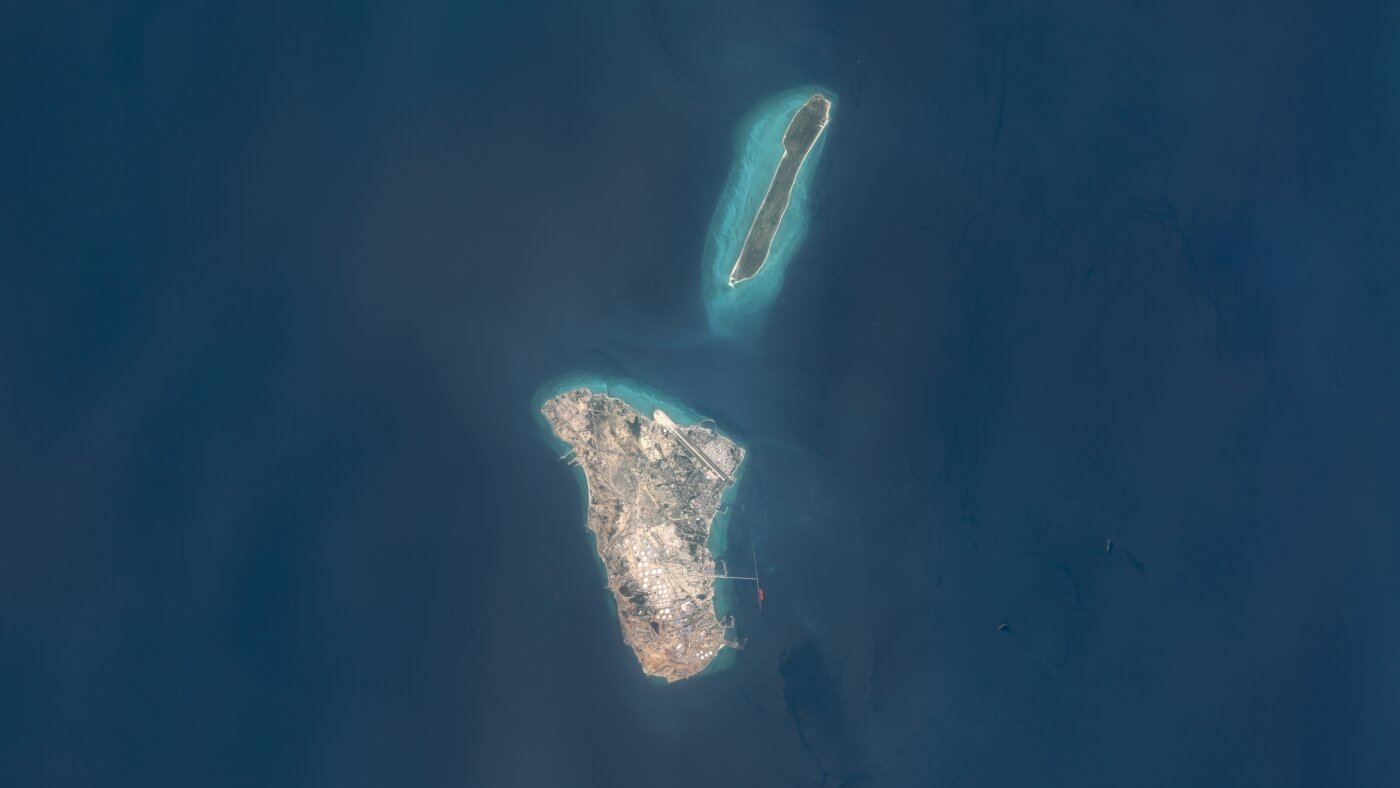
Naval Blockade and the Disabling of the Belma
A central feature of the U.S. strategy is the reimposition of a naval blockade on Iranian ports, particularly those connected to the Strait of Hormuz. On Wednesday, the U.S. military engaged the Curaçao-flagged oil tanker *Belma* as it sailed toward Kharg Island, Iran’s primary oil export terminal. U.S. Central Command (CENTCOM) stated that the merchant vessel ignored multiple warnings to stop. In response, a U.S. aircraft fired a missile into the ship’s smokestack, successfully disabling the vessel. CENTCOM reported that it has redirected two other commercial ships during the first 24 hours of enforcing the blockade. Control of the Strait of Hormuz remains the primary point of contention. Since the war began on February 28, Iran has effectively closed the strait to shipping traffic, a move that significantly disrupted global trade and caused prices for oil and fertilizer to rise.
Iranian Retaliation and Threats to Regional Infrastructure
Iran has responded to the U.S. campaign with its own series of attacks. On Thursday morning, Iranian missile and drone strikes targeted U.S. military bases and facilities in Bahrain, Jordan, and Kuwait. Authorities in these countries confirmed the attacks, though there was no immediate assessment of damage or casualties. Jordan reported that its defenses intercepted eight incoming missiles. Col. Ebrahim Zolfaghari, a spokesperson for the Iranian military’s Khatam al-Anbiya Central Headquarters, issued a stern warning regarding potential future escalations. Zolfaghari threatened that if the U.S. proceeds with warnings to strike Iranian bridges and power plants, Iran would launch widespread attacks on regional infrastructure. “All the infrastructure in the region will be crushed under the steel blows of the powerful armed forces of the Islamic Republic of Iran,” Zolfaghari said.
Stakes in a Fragile Conflict
The escalating violence has effectively ended the tentative ceasefire that previously existed between the two nations. While President Donald Trump has insisted that a peace deal remains possible, he has provided no specific details on how such an agreement would be reached. The pressure on the Trump administration is compounded by domestic political considerations, as the Republican Party seeks to maintain control of Congress in the upcoming November elections. Meanwhile, the military situation remains volatile; Iran’s Revolutionary Guard has warned that if its own oil and gas export routes are blocked, it may force the closure of other export routes throughout the region, stating that such resources will either be available to everyone or to no one. As of Thursday, the back-and-forth strikes continue, with both sides signaling a willingness to increase the tempo of their military engagements.
Find more reporting in our World section.


