More than 200 million eggs distributed across nine states have been recalled by Rose Acre Farms due to bacterial salmonella contamination. Food and Drug Administration Commissioner Scott Gottlieb reported twenty-two illnesses connected to plant number P-1065, prompting federal officials to advise consumers to discard the tainted products or return them for a refund.
The Nationwide Egg Recall and Affected States
A major food safety alert hit grocery stores and restaurants when Indiana-based Rose Acre Farms initiated a voluntary recall of over 200 million eggs.
- Colorado
- Florida
- New Jersey
- New York
- North Carolina
- Pennsylvania
- South Carolina
- Virginia
- West Virginia
Federal inspectors traced the outbreak back to an egg production facility in Hyde County, located in eastern North Carolina. According to CBS News reporting, the facility produces approximately 2 million eggs every single day. The investigation intensified after health officials logged twenty-two illnesses tied to the bacterial strain.
Identifying the Recalled Cartons and Brand Names
Consumers trying to determine if their breakfast supplies are safe must check specific plant numbers and Julian date codes stamped onto the packaging. The affected inventory carries plant number P-1065 alongside Julian date ranges running from 011 through 102. These lot codes are printed directly on the side portion or the principal side of individual cartons.
- Coburn Farms
- Country Daybreak
- Food Lion (the chain’s store brand)
- Glenview
- Great Value (sold at Walmart)
- Nelms
- Sunshine Farms
- Waffle House chain
- Various restaurants
Retailers moved quickly once the notice went live. Food Lion spokeswoman Emma Inman stated that the company pulled the recalled eggs from the shelves of roughly 400 stores where they had been made available. The eggs that are in the stores today are safe,
Inman said by phone, though she noted she lacked information on whether specific Food Lion shoppers were among the twenty-two individuals who fell ill.
Health Risks of Salmonella Contamination
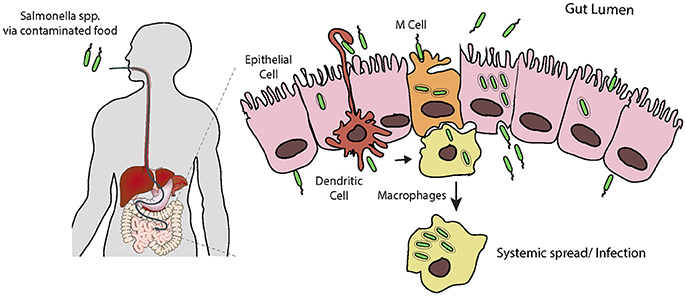
Salmonella bacteria pose serious health hazards, particularly for vulnerable populations. According to federal notices, the pathogen can cause symptoms including nausea and diarrhea, and in rare instances, it can prove fatal.
While Gottlieb confirmed that agency testing successfully linked the recalled eggs directly to the people who grew sick, corporate responses varied. A company spokesman for Rose Acre Farms did not immediately respond to messages seeking further comment on Sunday, and representatives for both Walmart and the Waffle House chain also did not immediately reply to media inquiries.
Regulatory Action and Ongoing Uncertainty
The scale of this contamination highlights the immense logistical footprints of modern agricultural producers, where a single farming site yielding two million eggs daily can introduce pathogens across a multi-state distribution network within weeks. Federal oversight mechanisms rely heavily on voluntary recalls driven by an abundance of caution, yet questions remain regarding supply chain transparency.
None of the available sources clarify whether additional processing facilities linked to Rose Acre Farms share similar vulnerabilities, nor do they specify the exact timeline for concluding the Hyde County farm inspection.

