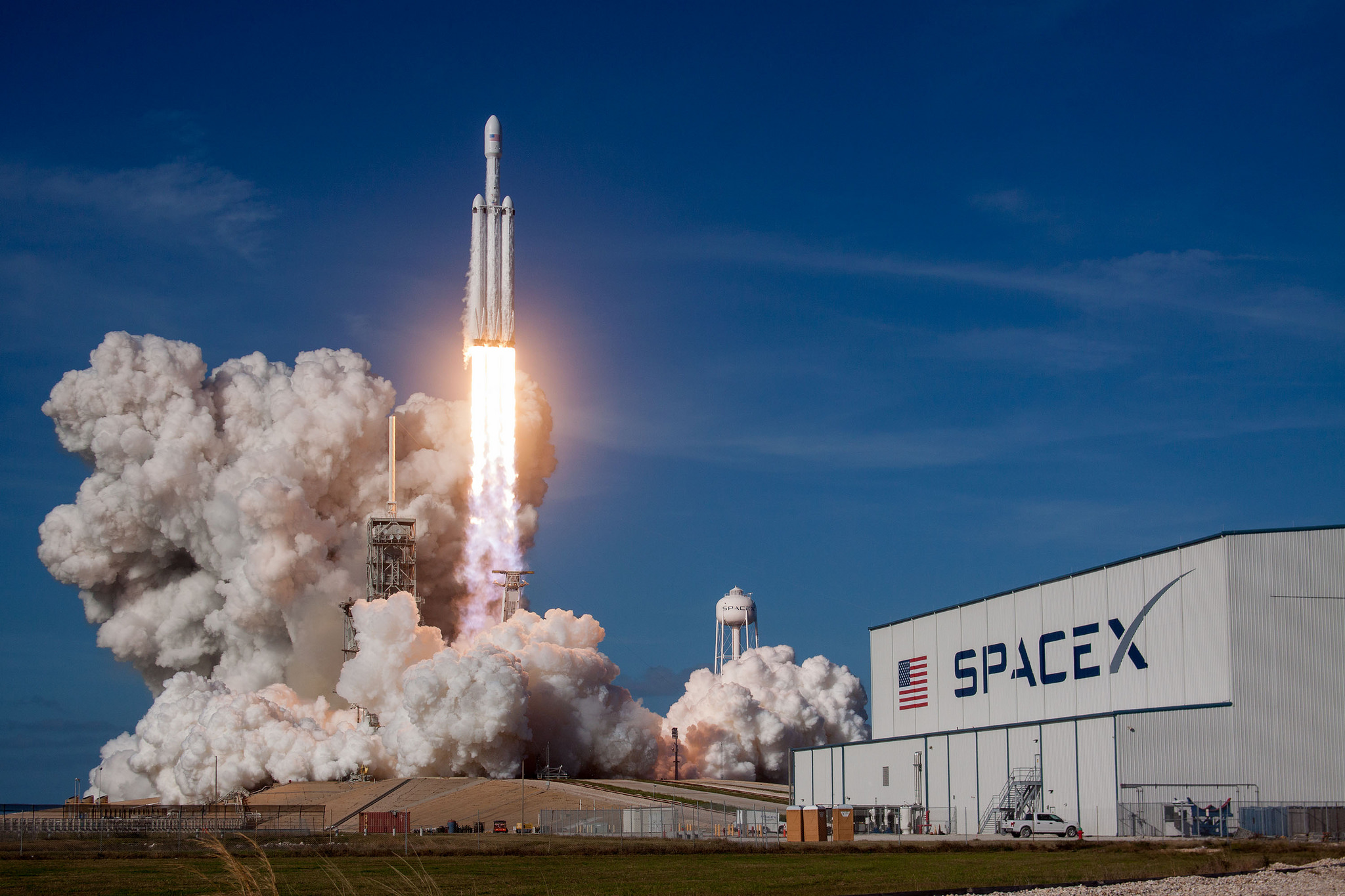
SpaceX Starship SN10 Lands Successfully Before Exploding Minutes Later in High-Altitude Test Flight
Test Flight and Initial Soft Touchdown
On March 3, SpaceX Starship SN10—the tenth prototype of the massive Mars-bound rocket—lifted off from a Texas launch site and successfully landed. During the test flight, SpaceX Starship SN10 reached a peak altitude of 6.2 miles before executing a horizontal “belly flop” maneuver designed to increase air resistance and slow the rocket’s descent. It then reignited its engines, returned to an upright position, and landed. The landing was crooked, however, as the rocket’s landing legs appeared to have failed, leaving it tilted on the landing pad. Even with the tilt, SpaceX engineer John Insprucker noted during the company’s webcast just before it ended, Third time’s the charm, as the saying goes — we’ve had a successful soft touchdown on the landing pad.
This marked a major win for SpaceX, given that its two previous attempts at high-altitude Starship flights ended with rockets coming in too hot and exploding upon impact.
Post-Landing Explosion and Reactions
Despite the successful initial landing, minutes after landing intact, SpaceX Starship SN10 blew up anyway. While SpaceX’s cameras cut away from the landing site, the website NASA Spaceflight was still rolling when SpaceX Starship SN10 flew again a few minutes later, exploding into the air and landing in a fiery blaze. SpaceX has yet to officially state what caused the unscheduled post-landing launch, though according to the New York Times, a leaky fuel tank may have been responsible. SpaceX CEO Elon Musk did not seem fazed by the explosion, tweeting, Starship 10 landed in one piece!
and later adding, RIP SN10, honorable discharge.
Implications for the Dear Moon Mission
With SpaceX Starship SN10 proving that a landing in one piece is possible, the company is one step closer to its ultimate goal of transporting people in the massive spacecraft. SpaceX has already booked at least one crewed flight for the rocket: in 2023, it is expected to take Japanese entrepreneur Yusaku Maezawa and 11 other people on a six-day trip around the moon and back. The day before the SN10 test launch, Maezawa released a video announcing that he is offering eight spots on that fully paid private spaceflight—known as the “Dear Moon” mission—to members of the public. The fashion tycoon is accepting applications from anyone interested in a free ticket to the moon, with the pre-registration deadline set for March 14 and the screening process beginning a week later. Candidates must meet two key criteria: using space travel to push the envelope of their activity to help society, and being willing and able to support crew members with similar aspirations. Because the plan goes around the moon rather than just to it, Musk stated in the video that the mission will take people farther from Earth than any other spaceflight. Before that journey happens, however, SpaceX must figure out how to keep the rockets from exploding so that crew members can safely disembark.


