
President Donald Trump announced a pause on U.S. strikes against Iran on Friday following mediation requests, creating a three-day lull in fighting as negotiations unfold. Tehran has denied direct talks are occurring while reporting separate diplomatic contacts with Omani officials regarding shipping safety in the Strait of Hormuz.
U.S. President Donald Trump said that there are very friendly negotiations going on regarding the conflict with Iran, marking a sudden shift after nearly two weeks of daily American strikes and retaliatory regional attacks that dismantled a June ceasefire. Trump expressed optimism for an end to the war on Monday, telling reporters aboard Air Force One: I think there's a good chance that something could happen.
However, he warned that Washington would go back to doing what we were doing
before the pause in fighting if the latest negotiations failed.
The warring sides experienced a third straight day without exchanging strikes on Monday. Trump said he had decided to pause US strikes on Iran on Friday because the countries mediating between them had asked him to give the talks another chance. Iran has also halted its attacks. The pause follows nearly two weeks of daily US strikes and tit-for-tat attacks, effectively unravelling the ceasefire struck in June.
The US military said at the time that its strikes were aimed to degrade Iran's ability to threaten commercial shipping in the Strait of Hormuz
– a global route for transporting oil.
Contrasting Diplomatic Claims and Regional Mediation Efforts
While Washington points to active diplomatic channels, Tehran disputes the nature of the outreach. Trump said Monday in an interview with Axios that very deep talks
are taking place with the Islamic Republic and if they don’t work out, we will go back to very strong military action.
Over the course of the war, Trump has repeatedly said talks were progressing and that a deal was close. But it’s unclear if any substantial negotiations between the United States and Iran were taking place. Iran’s Foreign Ministry spokesman, Esmail Baghaei, said earlier Monday that while it’s possible that mediators share messages from the U.S. side about current developments,
no formal negotiations are currently taking place. We have never allowed, and will never allow, the United States to determine the timing of the war,
an Iranian foreign ministry spokesman said separately on Monday. We will defend ourselves whenever our interests require it, and we will certainly use diplomatic tools whenever we feel it is appropriate.
Meanwhile, Iranian and Omani officials met over the weekend in a fresh attempt to resolve shipping through Hormuz. Iran said the talks were constructive and some progress was made, though gave no details, adding consultations were continuing.
Strait of Hormuz Tensions and Shipping Disruptions
The breakdown of last month’s interim peace agreement centered directly on the Strait of Hormuz, where the U.S. military previously aimed its operations to degrade Iran’s ability to threaten commercial shipping. Iran has said there’s no change to the status of the Strait of Hormuz, meaning it’s likely to continue targeting commercial ships that don’t receive its permission before transiting. Traffic through the vital waterway — through which one fifth of the world’s oil and liquefied natural gas supplies flowed before the conflict — remains negligible. On Monday, Iranian state TV said Tehran forced six ships going through the southern corridor near the Omani coast to turn around. One of the ships suffered an “incident,” according to the reporting, which cited an Iranian official with knowledge of the matter. The U.S., meanwhile, is maintaining its blockade on Iran’s ports.
Concurrently, the Houthis, a militant group based in Yemen, claimed on Monday they targeted Saudi Arabian oil facilities with drones, although they didn’t say when. The Houthis fired on vessels in the southern Red Sea after threatening any calling at Saudi ports. A Saudi-led coalition responded with attacks on Houthi positions in Yemen on Friday and Saturday, leading the group to target the Saudi port cities of Yanbu and Jizan with missiles and drones. There was no immediate confirmation from the Saudi government or oil giant Saudi Aramco, whose facilities the Houthis said they targeted.
Munitions Stockpiles and U.S. Military Readiness
Amid five months of continuous conflict, questions regarding American military readiness have emerged alongside the diplomatic pause. Trump dismissed media reports that after five months of fighting, US ammunition stockpiles were now running low.
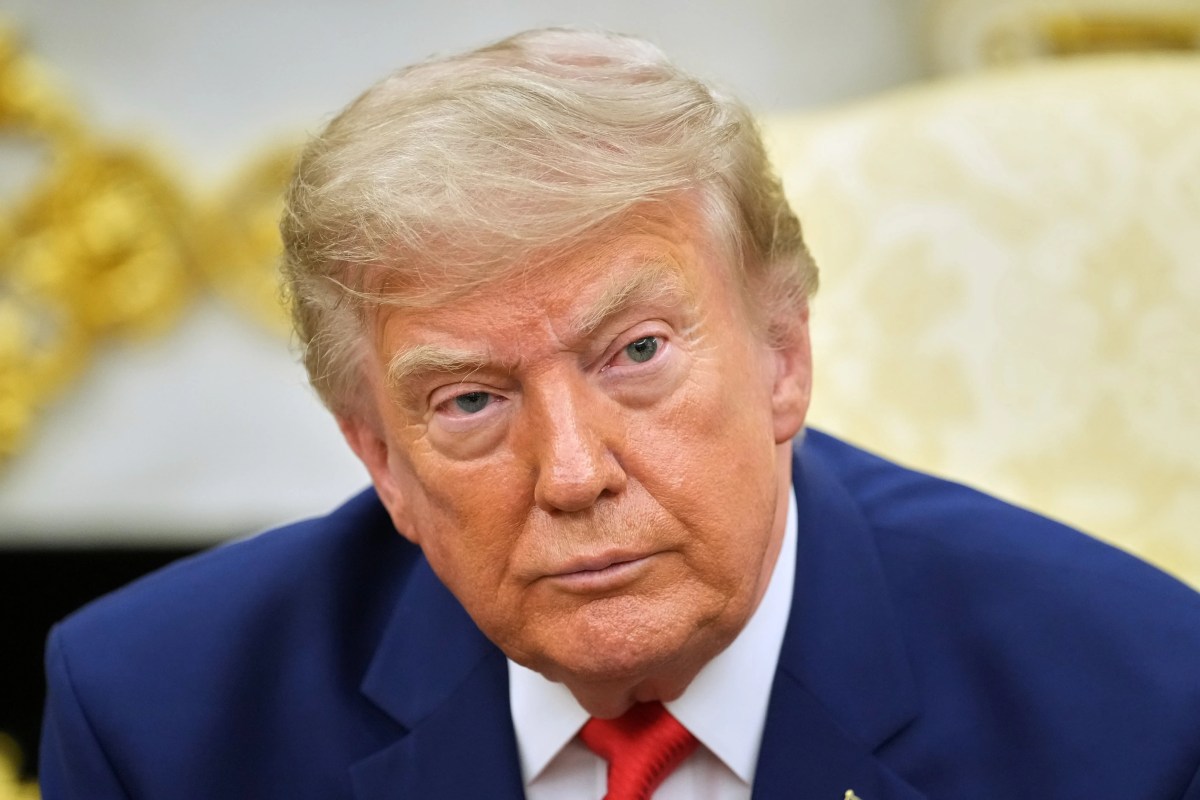
“We have a lot of ammunition. We have a lot of the mid-level stuff too, more than we could ever use, no matter what,” Trump said. “But we have a lot. I’d like to have more.”
President Donald Trump
Trump added that a lot of equipment
was being built, in particular Patriots – highly valued US-made anti-ballistic missiles. That system is going up. We have a lot,
he said. Meanwhile, White House spokesperson Anna Kelly said the US military has more than enough munitions, ammo, and stockpiles to serve all of President Trump's strategic goals and beyond, and Operation Epic Fury has exposed what happens when you mess with the United States.
Even still, the president has urged our defence contractors to constantly produce more made-in-America weapons, which are the best in the world,
the spokesperson added.
Market Reactions and Upcoming Washington Meetings
Financial markets reacted swiftly to the de-escalation signal. Brent crude fell almost 6% in early trading Monday to under $91 a barrel, after climbing 10% last week on the worsening fighting, while the price of oil on Monday fell by more than 9% to $87.59 a barrel at one point on hopes the conflict could be de-escalated. U.S. Treasury yields also dipped, while the S&P 500 rose about 1%.
Diplomatic activity centers next on Washington, where Israeli Prime Minister Benjamin Netanyahu is scheduled to meet Trump in Washington on Tuesday. He said he plans to press the U.S. leader on keeping a “constant watch” on Iran’s nuclear program, one of many issues now in limbo following the breakdown of an interim peace deal agreed last month.


