Iran executed two men in Isfahan on Tuesday, July 28, 2026, after convictions for killing police officers and setting a station on fire during January protests. The hangings come amid a sharp surge in state executions and capital charges following anti-government demonstrations and a joint U.S.-Israeli military strike earlier this year.
Public Executions and Judicial Actions in Isfahan
Iranian authorities hanged Abolfazl Sepahi Badjani and Amir Hossein Safari Hosseinabadi on Tuesday morning in the central city of Isfahan, roughly 400 kilometers (250 miles) south of the capital, Tehran. According to state media reports, the two men were convicted of killing four police officers, setting a police station on fire, and damaging public property during the civil unrest that swept the country in January.

Judiciary-affiliated reporting identified the charges as involving attacks on security forces with bladed weapons, pulling officers along roads, and setting victims on fire. The state judicial apparatus also accused the defendants of moharebeh, or enmity against God,
carrying weapons, causing fear and terror, and spreading corruption on earth through acts that gravely disrupted public order and security. Mizanonline.ir, a website affiliated with the country’s judiciary, confirmed the executions, while the Iranian Mehr News Agency reported that the hangings took place in front of a number of people in a square in the Malek Shahr neighborhood of Isfahan.
Broader Context of Protests and Executions
In late December, anti-government demonstrations initially ignited by soaring living costs rapidly escalated into widespread protests that peaked on January 8 and 9. During the night of January 8, a colonel in Iran’s Islamic Revolutionary Guards Corps (IRGC), Colonel Abbas Kamrani, was killed in Isfahan as mass anti-government protests raged. Iranian authorities reported that over three thousand people died due to what they described as terrorist acts orchestrated by the United States and Israel.

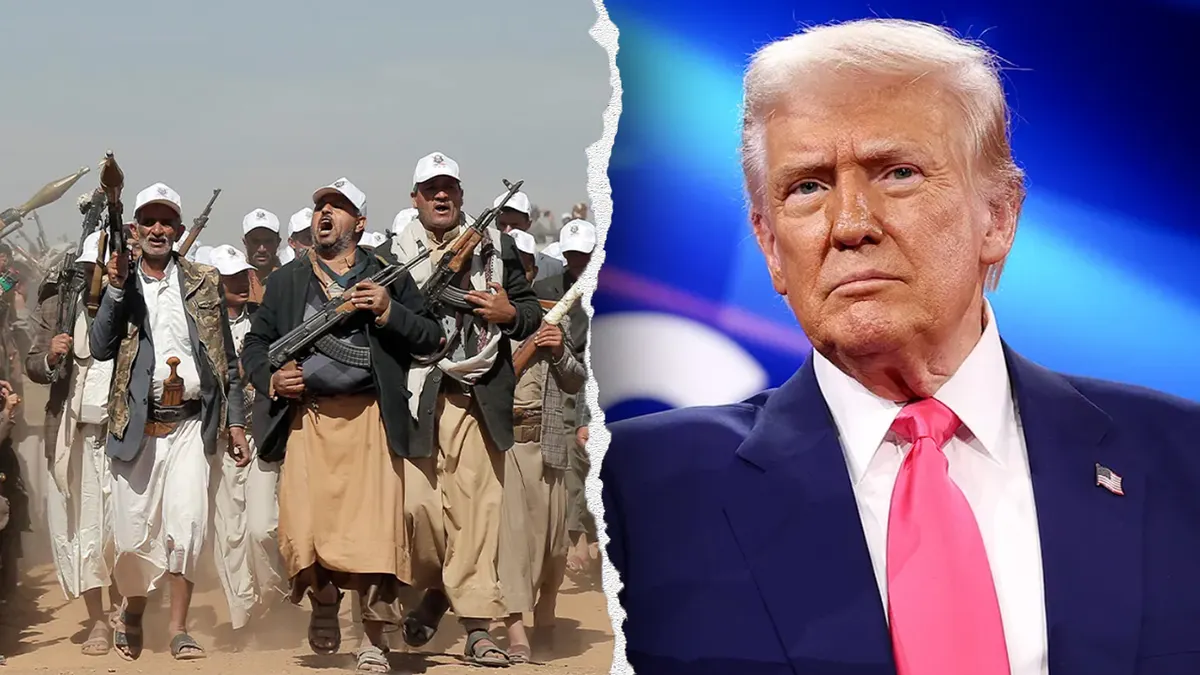
In contrast, human rights organizations outside Iran insist that security forces opened fire on protesters. Then-U.S. President Donald Trump threatened military intervention, followed by a joint U.S.-Israeli military strike on the country on February 28. Since the start of the war with the United States and Israel, Iran has witnessed a surge in executions of what human rights groups consider political prisoners, including demonstrators, alleged members of banned groups, and individuals convicted of spying.
Activist sources say the rise in executions represents an attempt by authorities to create fear among Iranians and prevent a repeat of the nationwide demonstrations that rattled the country’s clerical rulers. The January protests posed the most serious threat to authorities since the Islamic Revolution in 1979, resulting in an unprecedented state crackdown. Rights organizations have condemned the trials of those executed, stating that many proceedings were marked by torture, forced confessions, and an absence of due process.
Additional Cases and Opposition Reports
Aside from the Isfahan executions, the judiciary’s Mizan news agency and the index.hr news portal reported the execution of 26-year-old Mehdi Khankhi over charges related to the recent protests and cooperation with Israel and the United States. Mizan stated Khankhi was executed for operations carried out to support countries and entities hostile to Iran, alongside crimes committed during the January protests and illegal weapons possession.
However, the Paris-based National Council of Resistance of Iran (NCRI) presented a different account, stating Khankhi was executed due to his membership in the People’s Mujahedin Organization of Iran (PMOI) and his participation in protests in the city of Karaj. The NCRI reported that Khankhi suffered physical and psychological torture for months prior to his execution. According to an NCRI statement, dozens of PMOI members still face the risk of execution or await sentences in Iranian prisons, and the opposition group reported that eight of its members were executed between March 30 and April 20. Official Iranian media reported 12 execution cases in the same period.
Furthermore, in the Shahada Square case in Isfahan, 16 defendants remain on trial and face charges of moharebeh, aiding and abetting moharebeh, destruction of public property amounting to moharebeh, assembly and collusion, and propaganda against the Islamic republic over the death of Colonel Abbas Kamrani and the violent demonstrations.