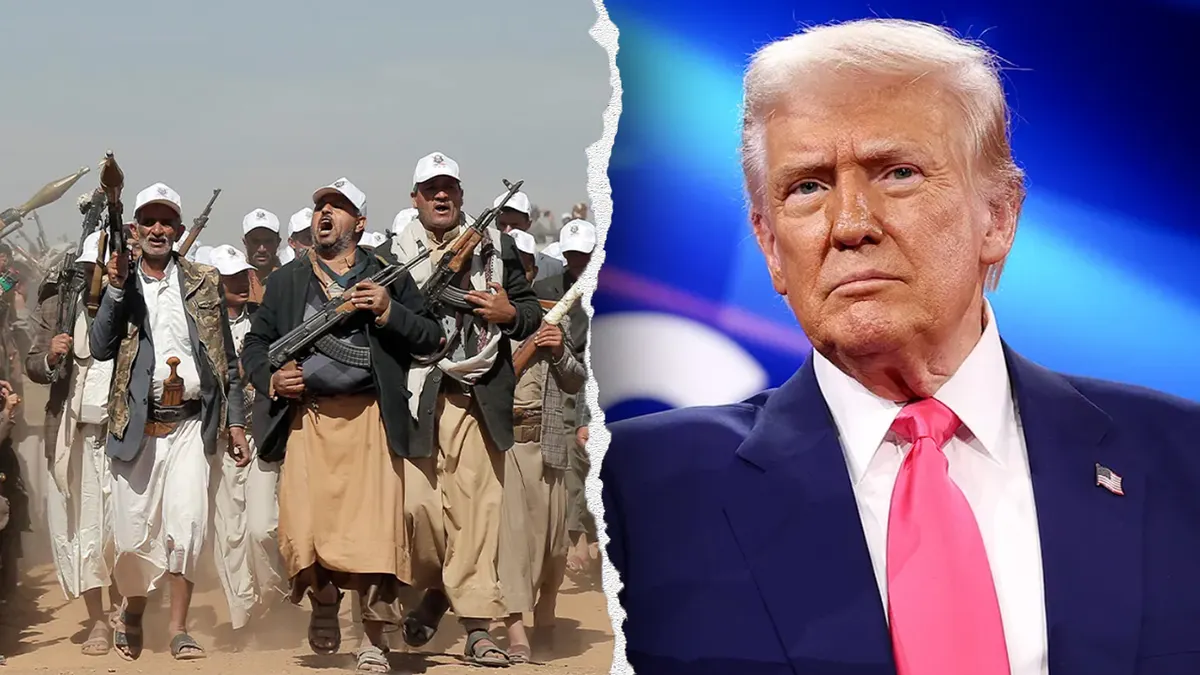
Following renewed hostilities and a collapsed ceasefire, President Donald Trump threatened extreme retaliation if assassinated, while Israeli officials revealed details of a high-level summit in Washington discussing economic pressure, potential military options, and intelligence regarding Iran’s nuclear and ballistic missile capabilities.
President Donald Trump disclosed that he has left explicit instructions for the United States to retaliate against Iran should an assassination attempt succeed. The remarks bring an old feud back to the surface, rooted in the January 2020 drone strike authorized by Trump during his first term that killed Iranian commander Qasem Soleimani.
The statements arrive as Washington and Tehran navigate a brittle, uneven standoff. Trump declared that the bilateral ceasefire was over following renewed hostilities, though he noted the two countries had agreed to continue negotiations. Meanwhile, the president’s combustible posture and recent security arrangements have drawn heightened scrutiny following security questions surrounding his travel aircraft and separate federal indictments regarding alleged plots against high-value targets according to international business coverage.
Israeli Officials Detail Three-Path Strategy Discussed in Washington
During a high-level visit to Washington, Prime Minister Benjamin Netanyahu met with President Donald Trump and U.S. An Israeli official revealed that the discussions centered on three distinct paths for handling Iran: an agreement, increased economic pressure, or a wide military attack according to details published by Okaz. While economic pressures continue to grow, the official emphasized that the military option remains firmly on the table.

Netanyahu reportedly assured Trump that Israel’s primary goal is preventing Iran from acquiring nuclear weapons rather than rushing into a military conflict. However, the Israeli leader made it clear that if Iran attacks Israel, a direct military response will follow.
Intelligence Assessments on Mojtaba Khamenei and Mount Fasa
Furthermore, Israeli briefings pointed to active nuclear and military infrastructure. Netanyahu stated that Iran is actively enriching uranium at the Mount Fasa facility and continues to maintain an arsenal of between 1,500 and 1,600 ballistic missiles. The Israeli Prime Minister also clarified that Israel’s military presence in Syria remains strictly limited and confined solely to essential security needs.

IDF Readiness and European Criticisms Amid Third-Strike Preparations
A Jerusalem source stated that they had proved their support for the United States, adding that they were willing to do so again if necessary.
Nitsana Leitner, founder of the Israel Law Center, stated that Israel would be present not merely through words, but with action and genuine military cooperation.
Israeli Defense Minister Israel Katz stated publicly that the Israel Defense Forces are prepared to execute a third wave of strikes against Iran with greater force than before if warranted. The IDF remains on high alert with continuous intelligence updates and close operational coordination with the U.S. military.
Diplomatic Friction Surrounds Washington Summit Schedule
During the visit, Prime Minister Benjamin Netanyahu declined to meet with Ukrainian President Volodymyr Zelensky as detailed by Okaz.
While Ukrainian sources indicated that initial meeting requests faced delays, Israeli officials ultimately communicated that the Prime Minister could not accommodate the meeting due to severe time constraints amid high-stakes security consultations regarding the Middle East standoff.