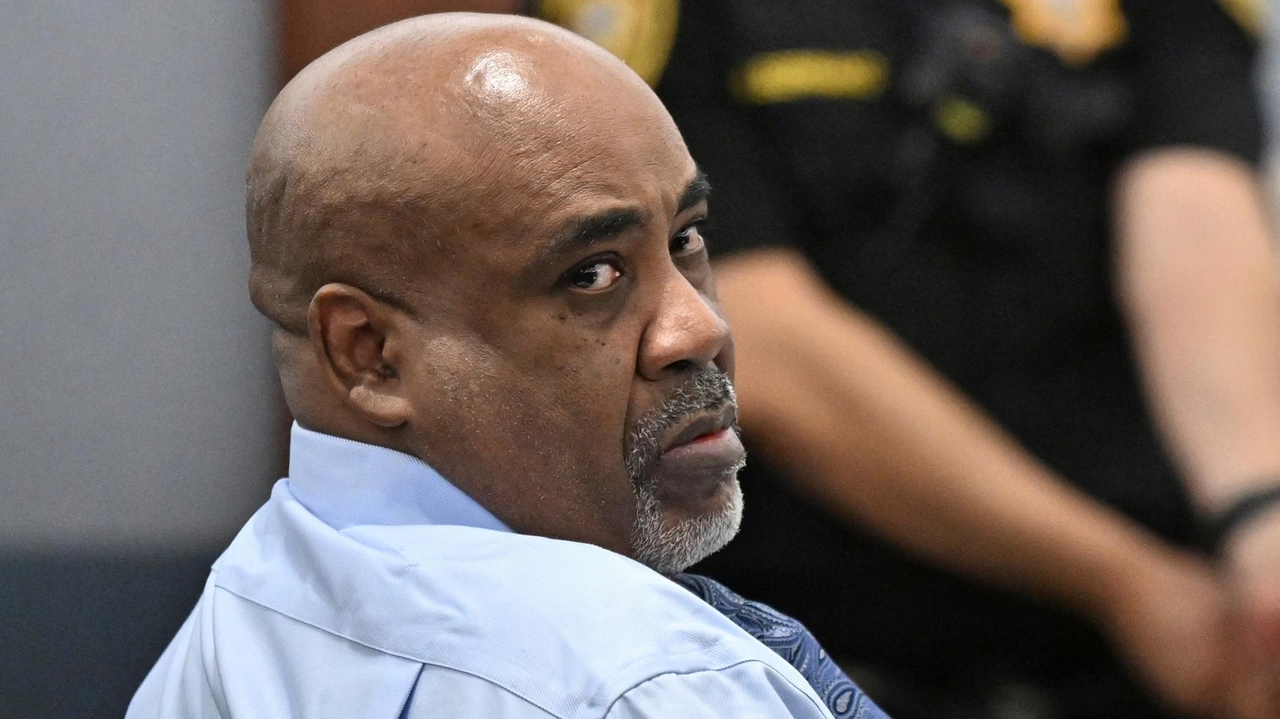
Nearly 30 years after the fatal shooting of rap legend Tupac Shakur near the Las Vegas Strip, the trial of the former gang leader accused of orchestrating the killing began with jury selection at Clark County District Court. Duane “Keffe D” Davis, 63, has pleaded not guilty to murder with a deadly weapon with the intent to promote, further, or assist a criminal gang. At the time of the 1996 attack, Davis was a leader of the South Side Compton Crips in California.
Jury Selection Begins in Las Vegas Trial for Duane “Keffe D” Davis
Family members of Shakur gathered at the Las Vegas courthouse for the proceedings, which commenced with attorneys vetting potential jurors. Nevada Judge Carli Kierny questioned an initial group of 75 potential jurors regarding medical issues, language barriers, and scheduling conflicts for the monthlong trial. A total of 16 jurors will be selected, and attorneys continued the selection process as seven potential jurors were asked to return later in the week.
The 1996 Shooting and the Resurgence of a Cold Case
The case stems from a drive-by shooting on Sept. 7, 1996. Shakur was riding in the passenger seat of a BMW with music mogul Marion “Suge” Knight when a white Cadillac pulled up alongside them at a red light. Shakur was shot multiple times and died six days later at age 25, while Knight survived the attack. At the time of his death, Shakur’s fourth solo album had sold 5 million copies.

The investigation went cold for decades until public statements and a 2019 tell-all memoir written by Davis, titled Compton Street Legends,
revived the inquiry. Davis was subsequently arrested in 2023. During courtroom questioning, Binu Palal, the county’s chief deputy district attorney, asked potential jurors if they were familiar with figures tied to the case, including Knight and Sean “Diddy” Combs. Prospective jurors were also questioned about their favorite books and movies, any gang connections, and whether they listened to Shakur’s music.
Prosecution Strategy and Expected Testimony
Prosecutors are not accusing Davis of firing the weapon that night, and the trial is unlikely to definitively confirm who pulled the trigger. Instead, the state plans to demonstrate that Davis orchestrated the shooting by making the necessary calls and providing the gun. According to Davis’s memoir, he obtained a handgun from an associate and tossed it into the back seat of the Cadillac.
Orlando “Baby Lane” Anderson, Davis’s nephew, was long suspected of firing the fatal shots but was never charged; he died two years after Shakur in an unrelated gang shootout in Compton. Two other occupants of the car—Deandrae “Freaky” Smith and Terry “Bubble Up” Brown—have also died. However, grand jury testimony from Denvonta Lee indicated that Anderson did not have a clear shot, leading Smith to take the gun and carry out the shooting.
Prosecutors expect to call between 35 and 45 witnesses, including individuals who saw Shakur before the shooting, figures from the orbits of both Shakur and Davis, members of the rapper’s family, and former Las Vegas Mayor Oscar Goodman. Meanwhile, Davis’s defense is expected to call a handful of witnesses, including an expert on false confessions and coercive interrogation techniques. If convicted, Davis stated that he wants the judge to decide his sentence rather than the jury.


