“I believe that in a decade, robots will be able to better serve humanity by taking on highly repetitive or even dangerous tasks,” Huang says.
World leaders gathered in Shenzhen, China, this November for the Asia-Pacific Economic Cooperation (APEC) summit, entering a high-tech metropolis where driverless taxis drive city streets and humanoid robots serve coffee at official media centers. The city transformed its public spaces into a massive showcase for artificial intelligence and embodied robotics.
Robot Block Showcases Humanoids and Underwater Drones
At the Robot Block in Shenzhen’s Longgang district, visitors observed automated systems performing everyday and industrial tasks. A robot sat at a piano, its two seven-axis arms and dexterous fingers moving in sync. Nearby exhibits featured a solar panel-cleaning machine scrubbing more than 1,120 square meters per hour and an underwater drone descending 350 meters to inspect submerged structures and pipelines.
Xinhua reported that the media center for the summit also featured XR immersive virtual studios, smart glasses, and robots making and delivering ice cream alongside coffee-serving humanoids. According to local authorities, Longgang district hosts more than 12,700 companies across the robotics industry chain and over 800 artificial intelligence companies.
Fan Binji, head of overseas markets at Shenzhen Future Era Robotics, remarked on the local environment during the APEC events. “The development of the robotics industry here is remarkable, and the ecosystem and supply chain are highly integrated,” Fan Binji, head of overseas markets at Shenzhen Future Era Robotics, said.

Fan Binji said that the concentration of visitors and industry professionals provides opportunities to develop new products, test them in real-world scenarios, and continuously improve them, adding that Shenzhen’s extensive supply chain is a primary reason companies establish a presence in the city.
Fan Binji also praised Shenzhen as a modern, clean, and well-organized city, stating that hosting the APEC Economic Leaders’ Meeting serves as a window into the city’s technological capabilities and offers an opportunity to showcase China’s latest innovations to international business and government representatives.
Beyond the exhibition halls, the city reflects decades of rapid industrial evolution. “Shenzhen is one of the most important symbols of China's reform and opening up through its strong global role in trade, manufacturing, and innovation,” Gary Ng, senior economist for Asia-Pacific at French bank Natixis, said.
This transformation traces back to 1980 when Deng Xiaoping designated the former fishing village as one of China’s first special economic zones to permit free enterprise and foreign investment. Today, the metropolis spans over 18 million residents, anchored by architectural landmarks such as the 600-meter Ping An tower.
Vision Technology Captures Data to Train Robot Models
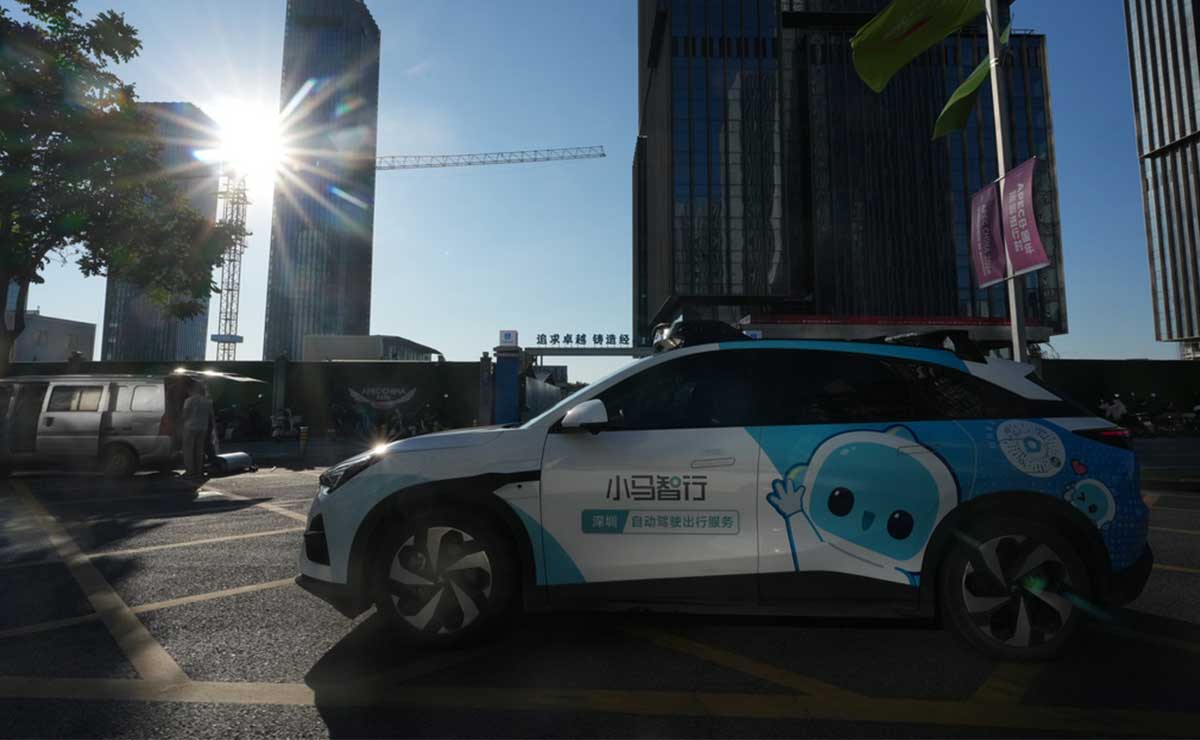
Pony.ai deployed robotaxis that move through city traffic. Lin said the company does not view robotaxis as a replacement for regular cars or regular taxis, but rather as just one more option for riders to choose from.
Our vision technology can capture human operational data. That data is then fed into the robot’s AI brain for training. Once trained, the model can be deployed onto the physical robot, allowing it to perform those tasks. That’s how the cycle works.
Felix Zheng, Managing Director, APAC Region, Orbbec
Dobot Robotics deputy general manager Jiang Yu said that some technical issues are difficult to resolve over phone calls or emails, making Shenzhen's highly concentrated industrial ecosystem—where key suppliers and manufacturers are within a 30-minute drive—an advantage for local enterprises.
Global Visitors Tour Robot Experience Stores
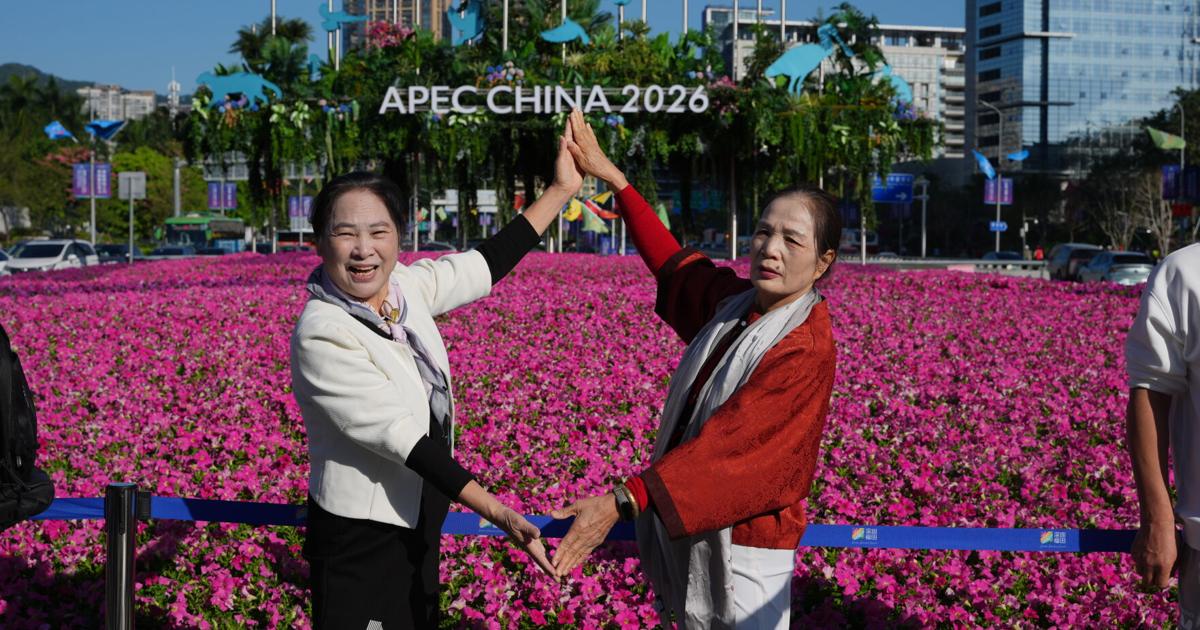
Lin Feng, the store manager, said that the robot 6S store bustled with visitors, with about 70 percent of them being foreigners who came from across the Asia-Pacific region and around the world. Lin Feng pointed out prior international engagement, noting that in July, 38 foreign teachers from a university in Shenzhen visited the robot-themed area.
Longgang district is home to more than 13,000 AI and robotics companies, which accounts for nearly one-fifth of Shenzhen’s total. The district has also opened up 793 application scenarios under its “City + AI” initiative and established a 1-billion-yuan ($150 million) AI industry master fund, according to official statements from the avenue, connecting government efforts in real-world application scenarios with corporate technological capabilities, according to Global Times.