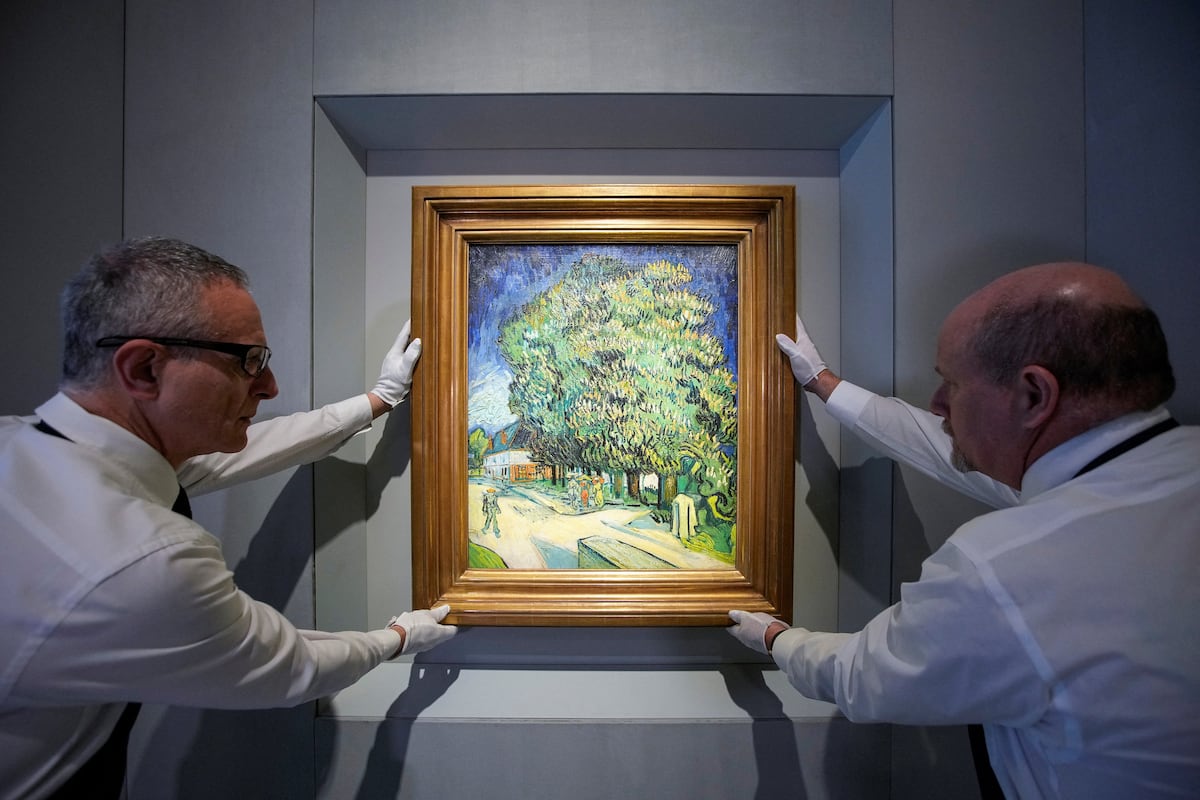
Beth de Araújo’s Sundance-winning drama follows an eight-year-old girl who witnesses a rape in Golden Gate Park and the fracturing of her family as they face the aftermath.
Beth de Araújo’s second feature, “Josephine,” arrives in U.S. and U.K. theaters on November 20 after winning top prizes at the Sundance Film Festival.
The autobiographical fiction draws on de Araújo’s own childhood experience of witnessing violence in Golden Gate Park and the silence that followed in her family.
In the film, eight-year-old Josephine (newcomer Mason Reeves) is jogging with her father, Damien (Channing Tatum), in the park when she runs ahead and hides behind a tree, peeking out to see a woman attacked and raped. The assault is filmed in long shot, but its reverberations dominate the 120-minute runtime, rated R for “rape, graphic nudity, some language and sexual content.”
De Araújo keeps the camera close to Josephine’s face, refusing to show the girl’s life before the incident. The audience learns nothing of whether she was joyful or rebellious; the film begins at the rupture.
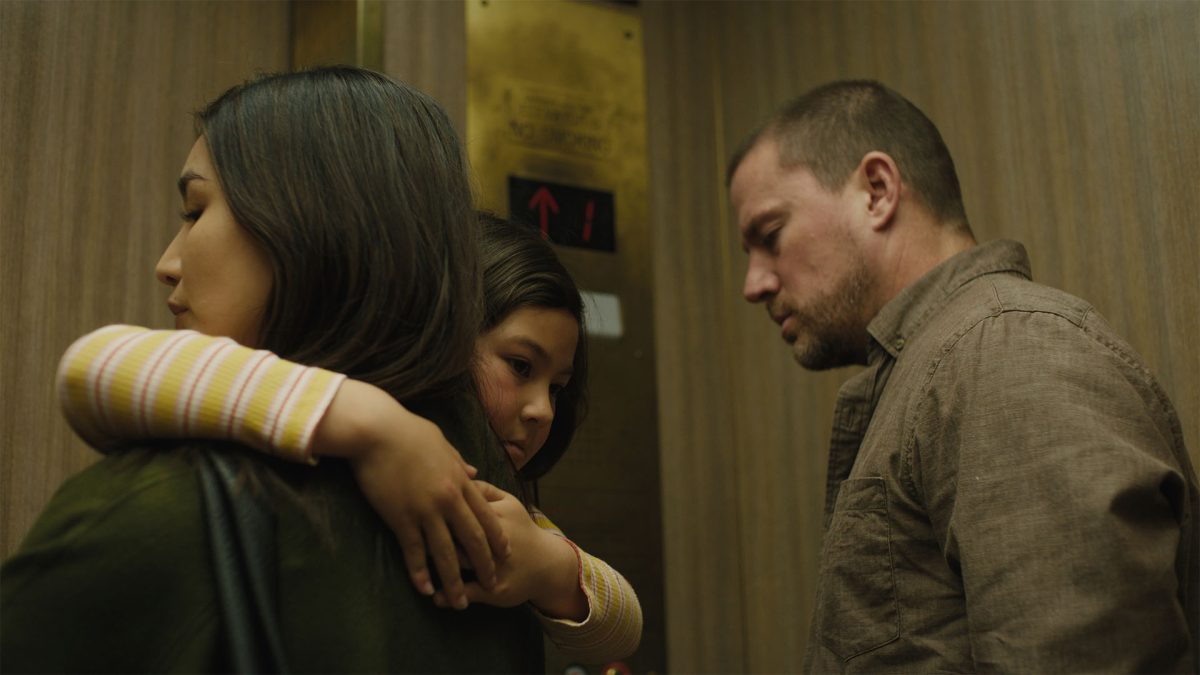
In the aftermath, Josephine’s guard goes up with strangers, and the perpetrator reappears silently in her spaces — at school, at home — like a nightmare or an imaginary friend only she can see. The device approximates intrusive trauma memories, though some critics found it contrived after repeated use.
Josephine’s testimony becomes the linchpin of the prosecution’s case; she is the sole witness and the victim’s only hope for conviction. The film portrays the “procedural chill” of a legal system in which the victim is not subject to a subpoena and initially absent from court, only to appear at the end to thank Josephine for her evidence.
The verdict itself is never shown. The defense attempts to undermine Josephine’s account by suggesting consensual role-play, but the film offers no ambiguity about what the girl saw.
Damien and Claire (Gemma Chan) are well-meaning but misaligned. When Josephine asks questions, Damien deflects; Claire tries to engage more directly. Damien enrolls Josephine in self-defense classes, a choice portrayed as bizarre and destabilizing.
Their furious rows sometimes resemble an acting improv class, according to one review, but the tension underscores a central theme: parents cannot control when a child learns the horrors of the world, nor how that knowledge will manifest. Even with a parent willing to talk, a child with a phone passcode can misspell “rape” in a search bar and find the definition on her own.
De Araújo has set her film version in modern times, giving Josephine a mother who attempts conversation where de Araújo’s own family did not.
“Josephine” opens in limited U.S. theaters on November 20, the same day as its U.K. release, with an Australian release set for February 18.