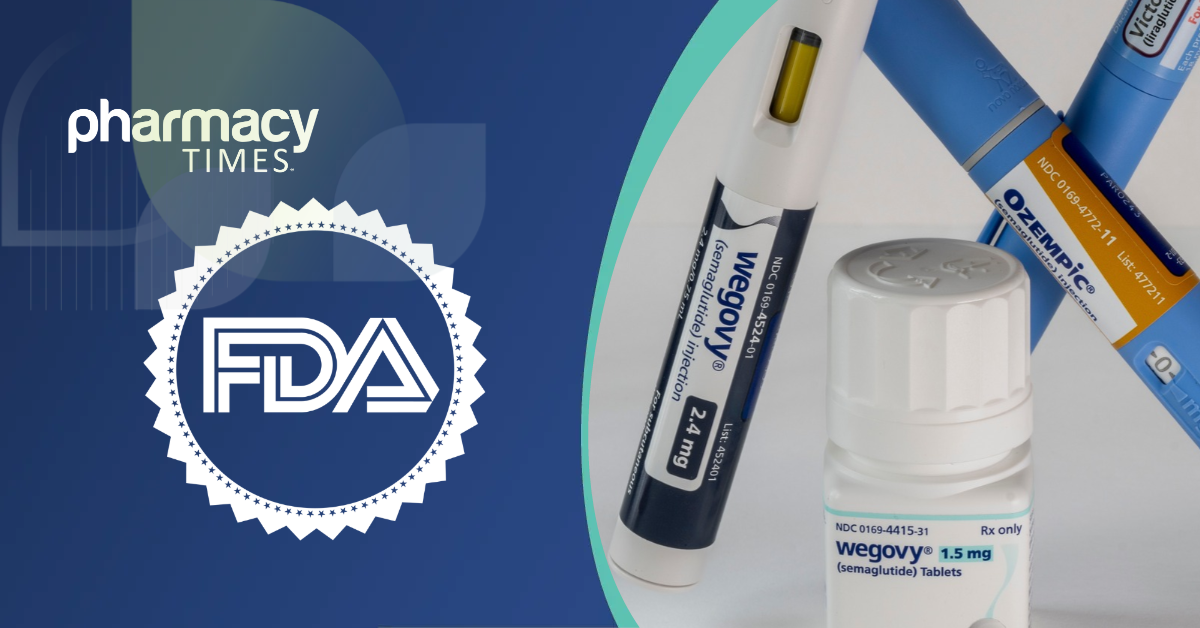
U.S. health regulators are requiring the makers of blockbuster diabetes and weight-loss drugs to add safety label warnings about a rare eye condition that can lead to permanent vision loss.
FDA Mandates Class-Wide Label Updates for GLP-1 Medications
The Food and Drug Administration announced the safety mandate, covering a dozen injectable and pill-based treatments across the GLP-1 receptor agonist class used to treat obesity and diabetes and several other medical conditions. The required warning addresses non-arteritic anterior ischemic optic neuropathy, an uncommon condition known as NAION that damages the optic nerve through reduced blood flow.
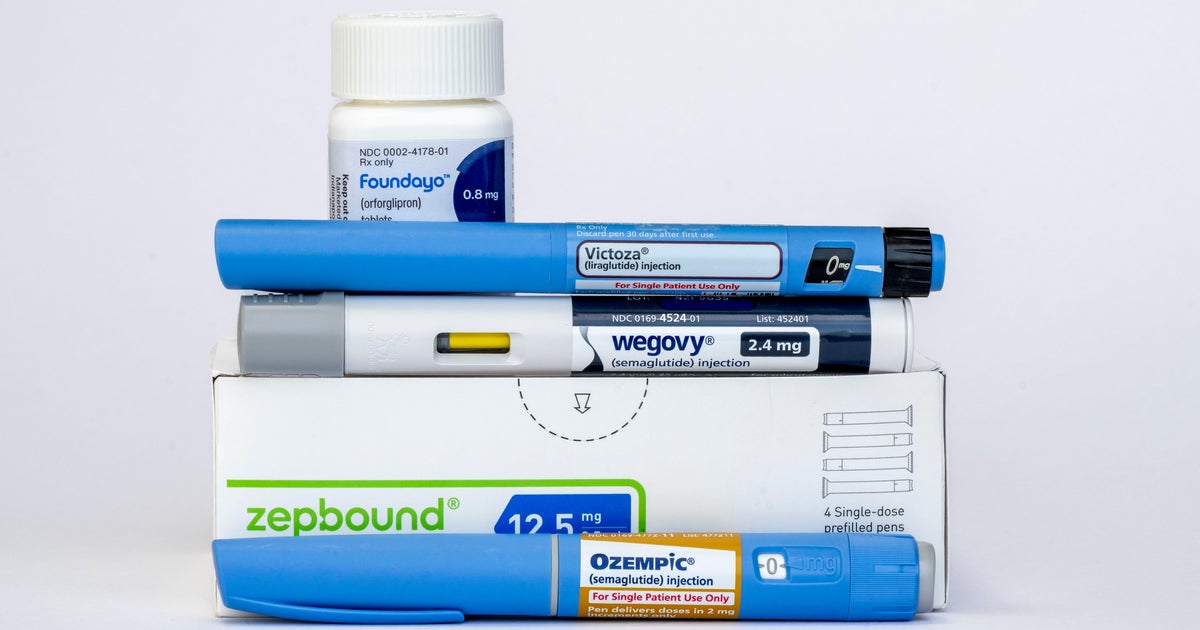
The agency’s directive affects widely prescribed brands including Novo Nordisk’s Ozempic and Wegovy alongside Eli Lilly’s Mounjaro and Zepbound, as well as older diabetes medications sharing the same mechanism. Regulators concluded that the class of drugs carries a potential increased risk of the rare eye disease after reviewing clinical trial data, animal studies, and post-marketing reports.
The agency’s requirement applies to all GLP-1 medications, including several older diabetes formulations, following an evaluation that also incorporated data from observational studies and adverse event reports submitted to electronic tracking systems.

Clinical Findings and Observational Study Data Reviewed by Regulators
Federal scientists initiated their evaluation following the publication of a July 2024 retrospective cohort study in JAMA Ophthalmology. That research identified an association between semaglutide and NAION among patients treated at an academic institution.
Subsequent agency analyses of more than 125 clinical trials found that the condition occurred in roughly 6 of every 100,000 patients who took a GLP-1 medication for at least one year. In comparison, the rate for individuals taking a placebo or alternative glucose-lowering drugs was less than 4 per 100,000.
Independent observational studies also reported elevated risk among patients with Type 2 diabetes who initiated GLP-1 treatments compared to those prescribed DPP-4 or SGLT-2 inhibitors.
Additional research published in 2025 tracked nearly 175,000 diabetic patients treated with semaglutide alongside an equal number taking non-GLP-1 medications, finding that the risk of the condition more than doubled after two years of treatment with the GLP-1 drug compared to alternative diabetes medicines.
Expert Perspectives on Balancing Treatment Benefits and Rare Risks
Medical professionals emphasize that while the regulatory action highlights a documented risk, the underlying condition remains exceedingly rare in the general population. Dr. Manjot Gill, an ophthalmologist at Northwestern Medicine in Chicago, noted that the mandate serves primarily to boost public awareness so that patients noticing vision changes can seek prompt evaluation.

We don’t want patients to really get overly concerned and anxious and to stop these medications. It’s fine to issue this warning more so for public awareness so that patients, should they experience any kind of change in vision, that they do actually go and seek the care of an eye provider.
Manjot Gill, an ophthalmologist
Joseph Rizzo, a neuro-ophthalmologist who co-authored research on the topic, stressed that the medicines have delivered profound health benefits to large numbers of patients despite the elevated risk.
Chintan Dave, who has studied the relationship between the eye condition and the medications, noted that while his research found an increased risk, the absolute risk remains very small and the real-world benefits for patients with diabetes, obesity, or cardiovascular disease continue to far outweigh the danger.
Symptoms to Watch and Guidance for Healthcare Providers
The FDA advises patients and providers to remain vigilant for symptoms affecting one eye, which can include acute and painless decreased vision, blurry or hazy central vision, blind spots, tunnel vision, or color distortion. These visual disturbances are frequently noticed upon waking.
Ali Raja, the chair of emergency medicine at Mass General Brigham, urged individuals experiencing sudden vision changes to consult an ophthalmologist immediately without waiting.
For patients who develop the condition, the agency recommends that clinicians consider discontinuing therapy unless the overall benefits of treatment clearly outweigh the risk, keeping in mind that a history of NAION increases the likelihood of recurrence in the other eye.
Manufacturer Responses to the Federal Safety Mandate
Pharmaceutical companies defended the safety profiles of their medications following the regulatory announcement. Representatives for Novo Nordisk stated that existing data do not establish a direct cause-and-effect relationship between the drugs and the eye condition.
Novo continues to believe the data do not establish a cause-and-effect relationship and we remain confident in the benefit-risk profile of our GLP-1 medicines.
A spokesperson for Novo
Eli Lilly issued a statement emphasizing that patient safety remains its top priority, adding that the company is carefully evaluating the regulatory update and will respond to the FDA promptly.