Google DeepMind chief Koray Kavukcuoglu attributed model capability gains and faster Gemini release cadence to recursive self-improvement during a podcast interview published on November 19, 2026.
The disclosure offers a rare window into how the artificial intelligence lab operates following an August management shake-up. The lab shipped four distinct models in rapid succession.
AI Agents and Gemini Training Compute
Speaking on episode 35 of Google DeepMind: The Podcast, Koray Kavukcuoglu said that AI agents now control a share of the compute dedicated to running experiments for the next generation of models. These agents assist scientists by running trials and handling parts of the research pipeline.
The lab is distant from a complete loop of autonomous upgrades. Koray Kavukcuoglu said that DeepMind is far from a full recursive self-improvement loop that would allow teams to generate successive models without human intervention.
AI is probably the most important technology of our time.
Koray Kavukcuoglu, head of Google DeepMind
To maintain safety, the lab does not reward internal thought streams of its agents during training. This ensures intentions remain visible in natural language before actions are executed.
Four Gemini Releases in Seven Weeks
Google launched four models in seven weeks. They started with Argon on September 30, Carbon on October 28, Hydrogen in mid-November, and Neon on November 18.
Neon has drawn attention for establishing strong early adoption. Koray Kavukcuoglu said that user statistics remain undisclosed. “It is still early, but the early signals are very strong,” he said, adding that “people move right away to the better one.”
Internal morale at the lab changed. A research firm report asserted that “DeepMind is no longer a frontier lab”. Gemini researchers pinned this statement to their desks as motivation. Koray Kavukcuoglu credited the turnaround to strategic bets made months prior.
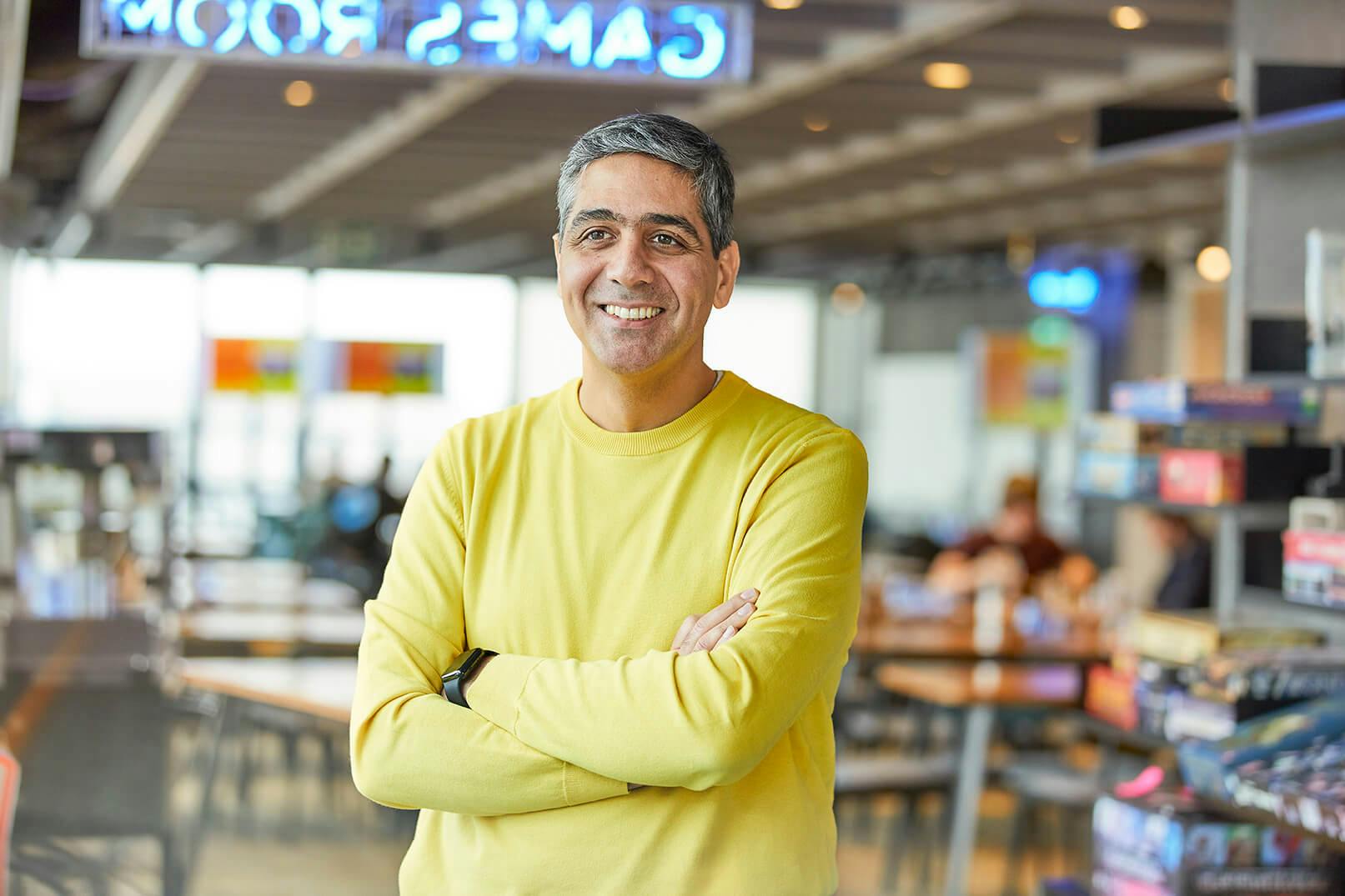
We knew where to invest then, and we made the right bets. Those bets are slowly paying off one by one.
Koray Kavukcuoglu, head of Google DeepMind
Kavukcuoglu Replaces Hassabis as DeepMind Leader
In the management reshuffle in August, Koray Kavukcuoglu took over leadership from Demis Hassabis. Demis Hassabis transitioned to serve as chair of DeepMind and chief scientist at Alphabet while continuing to direct Isomorphic Labs. Long-serving researchers including Jeff Dean, Noam Shazeer, and Oriol Vinyals departed during this transition period.
Koray Kavukcuoglu said that he works closely with Demis, though Demis Hassabis shifted primary focus away from frontier language-model research. Google co-founder Sergey Brin works side-by-side with researchers on a day-to-day basis and remains engaged.
Watch → https://t.co/spZxqBXHS2 Spotify → https://t.co/GwN1YTdrUX Apple Podcasts → https://t.co/VaSmik7nC6 Or listen wherever you get your podcasts! 🎧
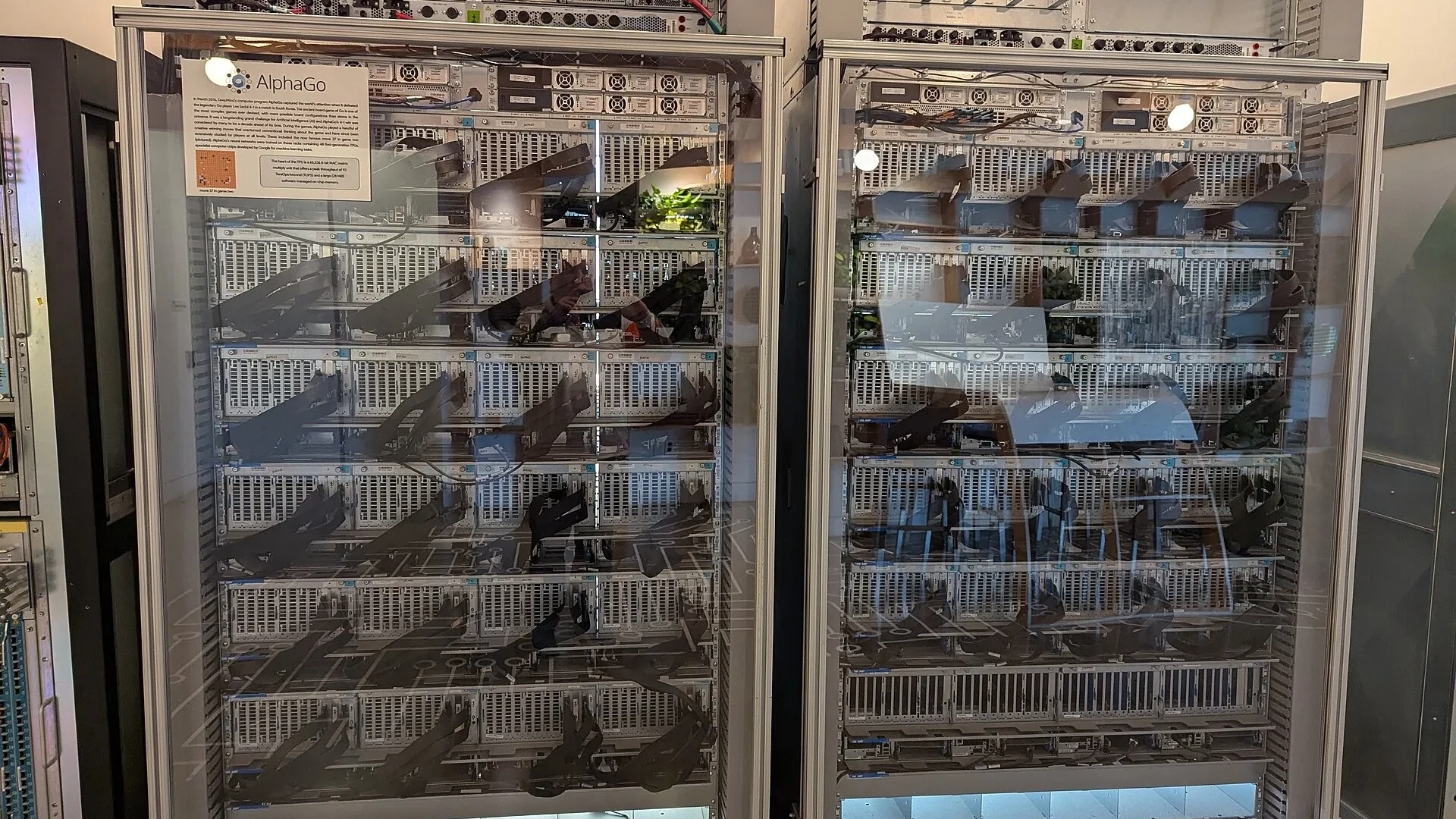
Koray Kavukcuoglu maintained his concurrent role as Google’s chief AI architect. This position enables coordination across chip design, cloud infrastructure, and product teams while arbitrating the allocation of computing resources such as proprietary TPU chips. He said that the ecosystem operates symbiotically for resources.
Capabilities and Limits of Models
Koray Kavukcuoglu said during the podcast discussion that systems can render fluid and collision phenomena convincingly while lacking precise physical understanding. He also said that each Gemini generation is a hand-built one-off rather than a fixed architecture, with parallel teams developing successor models.
Google Retains Human Control over AI Systems
As AI systems take on more tasks, supervision and safety remain central. Koray Kavukcuoglu said that Google will retain strict human control to minimize risks linked to superintelligence.

The technical progress unfolds against investor scrutiny regarding infrastructure expenditures. Alphabet faces financial questions as it plans to spend nearly $205 billion on AI infrastructure this year, a strategy that caused market fluctuations last month.
Staff and compute details remain unstated in the provided records, though Google DeepMind operates as a British-American artificial intelligence research laboratory and subsidiary of Alphabet Inc. headquartered in London with research centres across the United States, Canada, France, Germany, and Switzerland.
Regarding the laboratory’s trajectory, a research firm report previously asserted that “DeepMind is no longer a frontier lab”, a characterization that Gemini researchers pinned to their desks to serve as motivational fuel following an August management reshuffle.
We also have the strongest investment to support [AI], to commercialise it, and to benefit from it . . . I’m 100 per cent certain that we’ll be defining the frontier.
Koray Kavukcuoglu, head of Google DeepMind
How Alphabet will balance its $205 billion infrastructure spending with future revenue growth remains unclear.