Fuel prices across Poland dropped again on Thursday as the Ministry of Energy implemented new maximum retail limits, following wholesale price cuts at domestic refineries.
- Regular Unleaded 95 (Pb95) dropped to a maximum of 5,82 zł per liter on Thursday.
- Diesel (ON) fell to 7,15 zł per liter, an 8-grosz decrease from Wednesday.
- Premium Unleaded 98 (Pb98) decreased by 3 groszy to 6,48 zł per liter.
Refinery Price Cuts Drive Retail Limits Down
The downward adjustments at fuel pumps on Thursday, November 26, 2026, follow wholesale price reductions by PKN Orlen in its refinery pricing. Unleaded 95 petrol fell in wholesale markets to 5,09 zł per liter, a drop of 89 groszy since the government price-shield program took effect on October 3.
Wholesale diesel prices fell by 62 groszy to 6,94 zł per liter over the same period. The Ministry of Energy calculates maximum retail limits based on preceding wholesale figures. Under the third edition of the Ceny Paliwa Niżej (CPN) program, fuel stations are legally barred from exceeding daily government limits.
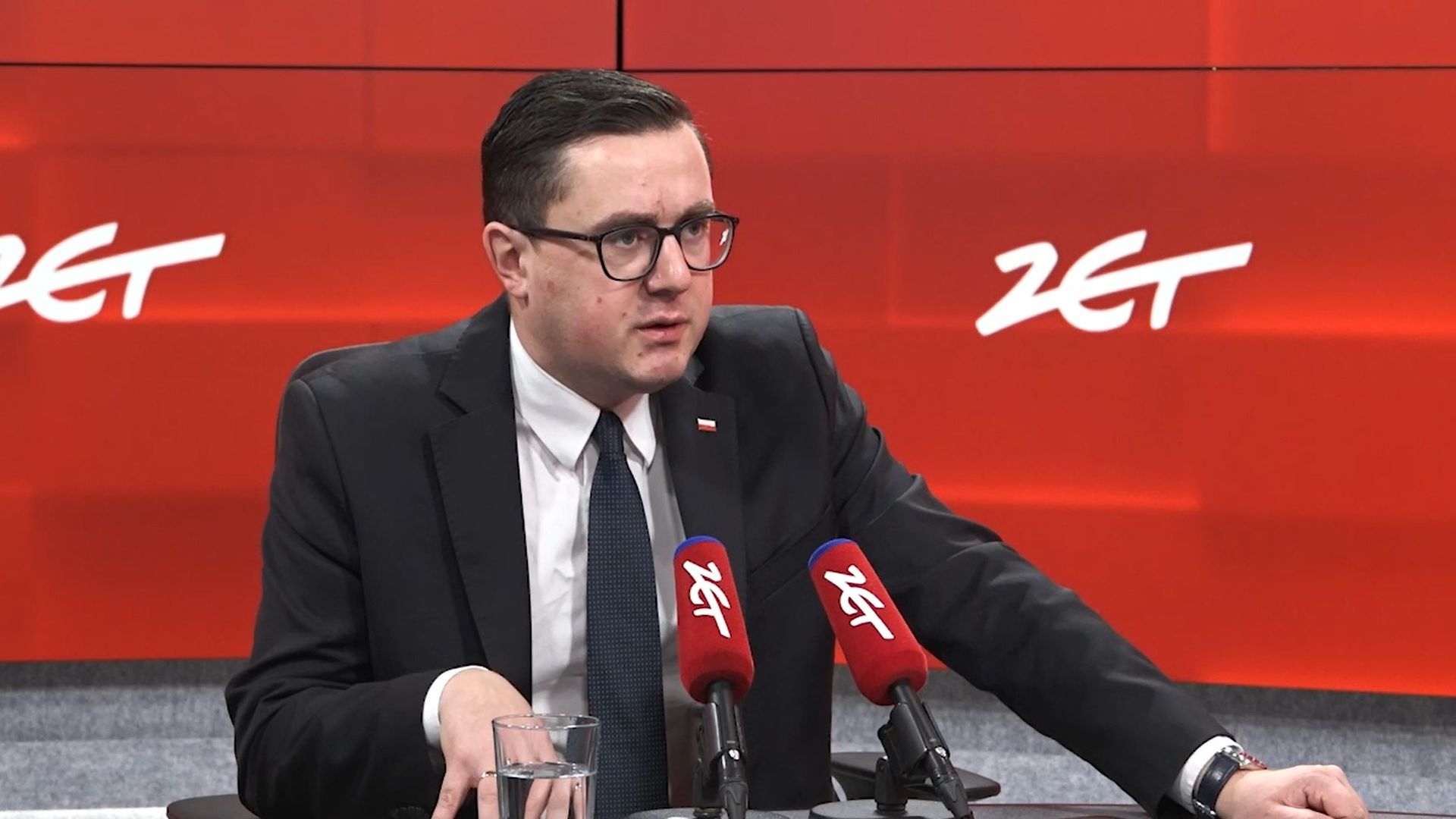
🎥 Minister @ME_GOV_PL @motykamilosz o cenach gazu LPG: Tendencja jest spadkowa. Obniżka cen paliw – największy wysiłek budżetowy@RadioZET_NEWS #GośćRadiaZET @marcin_zaborski Rozmowa ⬇️https://t.co/AmGsPfDuQZ pic.twitter.com/zlUci3aMVf
Individual retailers may sell below the cap. Market analysts say regional disparities persist across the country, with lower averages reported in regions like Podlasie and Greater Poland.
Government Defends the CPN Price Shield
Miłosz Motyka, the energy minister, defended the government regulatory intervention during media appearances this week, calling the CPN mechanism a successful and proven solution compared to riskier market experiments. The program combines temporary value-added tax reductions from 23 to 8 percent, lowered excise duties, and mandatory price ceilings.
“Ona jest bardzo zmienna i myślę, że nie ma dzisiaj nikogo, kto byłby w stanie przewidzieć, jak te ceny będą kształtowały się w kolejnych dniach, tygodniach, miesiącach (…). Rząd zrobił maksimum, żeby ten program osłonowy zafunkcjonował skutecznie i żeby te ceny były możliwie jak najniższe,” Miłosz Motyka, the energy minister, said.
Donald Tusk, the prime minister, spoke about the affordability of Polish fuel relative to neighboring European nations in a social media address. “We managed to organize it in such a way that, despite great objective difficulties, first and foremost the war in the Middle East, we have the cheapest gasoline in Europe,” Donald Tusk said, adding that “a five at the front is already something”.
A jutro będzie jeszcze taniej. pic.twitter.com/Zi45rUxNSS
Minister Defends Budget Spending Against Critics
Miłosz Motyka, the energy minister, said in a radio interview that total budgetary outlays for price shields and energy freezes reach several billion zlotys, comparing this spending directly to policies implemented during previous administrations. Motyka dismissed criticism from Mateusz Morawiecki, the former prime minister, asserting that his credibility on energy market management is nonexistent.
The energy minister said that previous leadership oversaw severe fuel shortages during energy crises rather than manageable price fluctuations. Urszula Cieślak, an analyst from Reflex, said the CPN mechanism operates alongside market forces that dictate overall availability and pump costs.
Analysts Forecast Price Stability
Market experts from e-petrol said prices for standard unleaded petrol are unlikely to breach the psychological threshold of six zlotys per liter in the immediate future. Analysts explained that consumer demand for diesel typically peaks during September and October.
Demand for petrol reaches its highest point during the summer holiday months. Dawid Czopek, a financial analyst, said continuous fluctuations in currency exchange rates present ongoing challenges for the domestic fuel market.
🎥 Minister @ME_GOV_PL o paliwie po 5,19: Tak się zastanawiamy czy na 6 grudnia nie ogłosimy… Przedłużenie CPN? Decyzja w okolicy połowy grudnia@RadioZET_NEWS #GośćRadiaZET @motykamilosz @marcin_zaborski Cała rozmowa ⬇️https://t.co/AmGsPfDuQZ pic.twitter.com/wUG3szD8MP
Debate Continues Over Autogas and Program Extension
The CPN price shield does not cover liquefied petroleum gas (LPG), prompting criticism and proposals from opposition figures led by Mateusz Morawiecki to include autogas and lower its tax rate. Miłosz Motyka, the energy minister, rejected the proposal, pointing to a downward wholesale trend for LPG driven by seasonal agricultural demand fluctuations.
PKN Orlen operates through its refining complex in Płock, managing domestic production that feeds wholesale fuel markets across the country. As of November 2026, the multinational oil refiner and natural gas trader functions as the largest company in Central and Eastern Europe, employing over 67,809 people and maintaining extensive retail and supply networks.
This dominant market scale allows the corporation’s wholesale price adjustments to directly establish the benchmark figures utilized by the Ministry of Energy to enforce national retail caps.
With the current CPN edition legislated to run through December 31, 2026, the Ministry of Energy and the Ministry of Finance have not yet finalized a decision on extending the protections into 2027. Officials said an official announcement regarding a potential extension will be made around the middle of December, depending on geopolitical developments and stability in international oil markets.