
Inconclusive Election Results Leave Neither Political Bloc with Majority
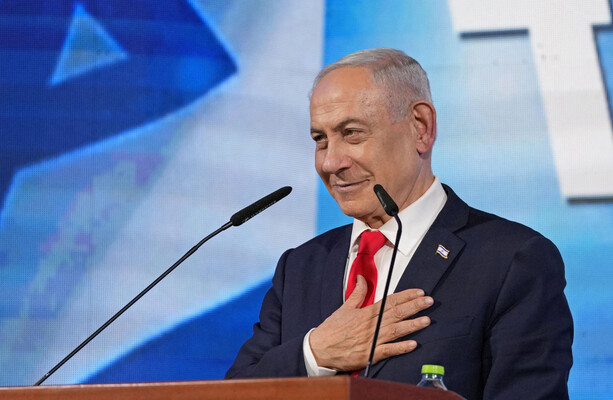
Israel's politics face turbulence following an inconclusive election cycle where neither Prime Minister Benjamin Netanyahu's right-wing bloc nor the opposition secured the 61-seat majority required to control the 120-seat Knesset. With more than 85% of ballots counted, local media projections place Netanyahu’s bloc at 53 seats, the opposition camp at 48, and Arab-led parties at 19 seats. Fierce disputes have erupted over allegations of foreign interference and vote-buying in Arab communities.
The letter did not identify particular countries or political parties. The investigation was already underway before Tuesday’s vote. According to reporting by The Jerusalem Post, this inquiry runs alongside a distinct police investigation into suspected bribery involving Ra’am party voting slips. While the Central Elections Committee confirmed the foreign-funding probe will not delay final results, the allegations have immediately inflamed political tensions.
Arrests, Cash Seizures, and Accusations of Election Theft
Far-right National Security Itamar Ben Gvir escalated the crisis by calling for the immediate arrest of Arab party leaders, citing unproven claims that their parties accepted Qatari funds. Israel’s security agency Shin Bet “must order, already this morning, the arrests of the heads of Arab parties suspected of involvement in Qatari money”, Itamar Ben Gvir said. Meanwhile, Prime Minister Netanyahu’s Likud party went further, formally accusing Arab parties of stealing the election through corruption, threats, violence, and prohibited software. Likud alleged that thousands of envelopes filled with cash and Ra’am ballots were deployed alongside intimidation tactics.
Police confirmed that three residents of southern Israel were arrested on Election Day on suspicion of trying to buy votes for Ra’am, with officers seizing envelopes and more than 24,000 shekels (approximately $7,900) in cash. Acting Central Elections Committee director general Dean Livne characterized the incident as unusual but isolated, noting that police intercepted suspects near their homes before they arrived at polling stations. Ra'am leader Mansour Abbas forcefully denied the allegations, accusing Netanyahu of lying, inciting against his party, and using the claims to mobilize right-wing voters. In his message on Tuesday, the premier had told supporters: No barbecues, don’t go to the beach — go to the polling station and vote Likud.
Coalition Realities and the Shadow of Regional Conflict
The political power of Arab-led parties—representing a roughly 20% minority that saw some citizens breaking past longstanding voter hesitancy—has left major Israeli leaders maneuvering for a path to a 61-seat majority. Chief rival Gadi Eisenkot, heading the Yashar party, has expressed openness to working with Arab factions to form a government, though Yousef Jabareen, who heads the Joint List, note a willingness to cooperate while remaining cautious about entering a formal coalition.
Compounding these domestic pressures, potential security escalations involving Iran loom large. Potential conflict could prompt Netanyahu to push for a unity government under his leadership, potentially delaying the public inquiry he has long resisted regarding the security failures surrounding the October 7, 2023 Hamas-led attacks. “You don’t know until the coalition is formed who really won,” Sebok explains, capturing the fundamental uncertainty of Israel’s parliamentary system.


