
In a column published on Streetsblog NYC, advocates argue that New York City’s ambitious sidewalk cleanup has run straight into a hard structural reality, sparking warnings that sweeping changes to waste collection could inadvertently create barriers for disabled residents.
While the multi-phase rollout aims to rid sidewalks of towering piles of garbage that currently force pedestrians into moving traffic, the physical hardware required to hold all that waste risks creating a brand-new obstacle course. The ongoing transition away from loose trash bags must evolve into a comprehensive accessibility overhaul.
Formally known as the Citywide Containerization Program, the municipal shift requires residential buildings with up to nine units to use individual bins. Properties with 10 to 30 units can choose between individual bins or stationary on-street receptacles known as Empire Bins, while larger buildings must rely exclusively on Empire Bins. Proponents point out that clearing bags off pedestrian paths is a vital public health win, but the physical placement of these new containers demands rigorous oversight.
Where Physical Bins Meet Narrow Sidewalks
Unbroken lines of bins placed directly on pavement create severe hazards for blind or low-vision New Yorkers who rely on mobility canes. In dense neighborhoods where sidewalks are already pinched, rows of heavy receptacles interrupt building lines and shrink the clear path required by wheelchair users and people pushing walkers. Loose lids, misaligned containers, and overturned bins can quickly block essential infrastructure like curb cuts, bus stops, and building entrances.
Visibility Barriers and Transit Obstacles in the Streetscape
The risks extend directly into the streetscape. Empire Bins positioned too close to intersections can obstruct sightlines between drivers and shorter pedestrians or wheelchair users. Placing these large stationary bins too near crosswalks or transit zones can force Access-A-Ride and taxi users to board or disembark directly into active traffic lanes.
Mandates for the Department of Sanitation
To prevent the containerization drive from harming vulnerable residents, the column outlines three specific mandates for the New York City Department of Sanitation. First, the agency must expand the use of Empire Bins to smaller buildings and design systems that accept recycling and compost to keep all refuse off walkways.
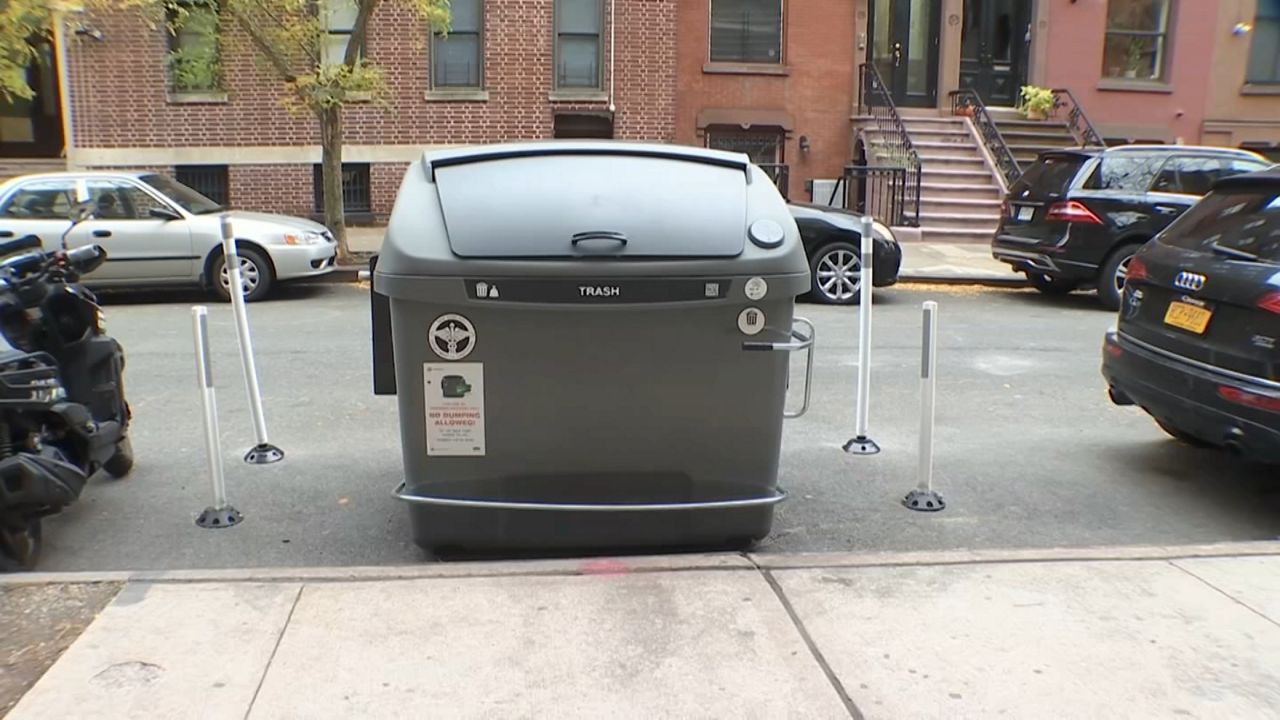
Second, Sanitation officials need to coordinate proactively with the Mayor’s Office for People with Disabilities and community advocates to set strict placement rules. These guidelines should prohibit bins within 20 feet of curb cuts, crosswalks, Access-A-Ride pickup zones or bus stops, and trigger mid-block crosswalk installations on densely packed residential blocks.
Establishing Transparent Oversight for Bin Locations
Finally, the city must establish transparent oversight, including safety reviews for every bin location and a responsive process for residents to request the relocation of problematic containers.
Containerization marks one of the most significant changes to New York City’s streetscape in decades. How the city handles the layout of these bins will determine whether cleaner streets come at the expense of public access.