South Bronx and East New York lead New York City in low-level criminal summonses
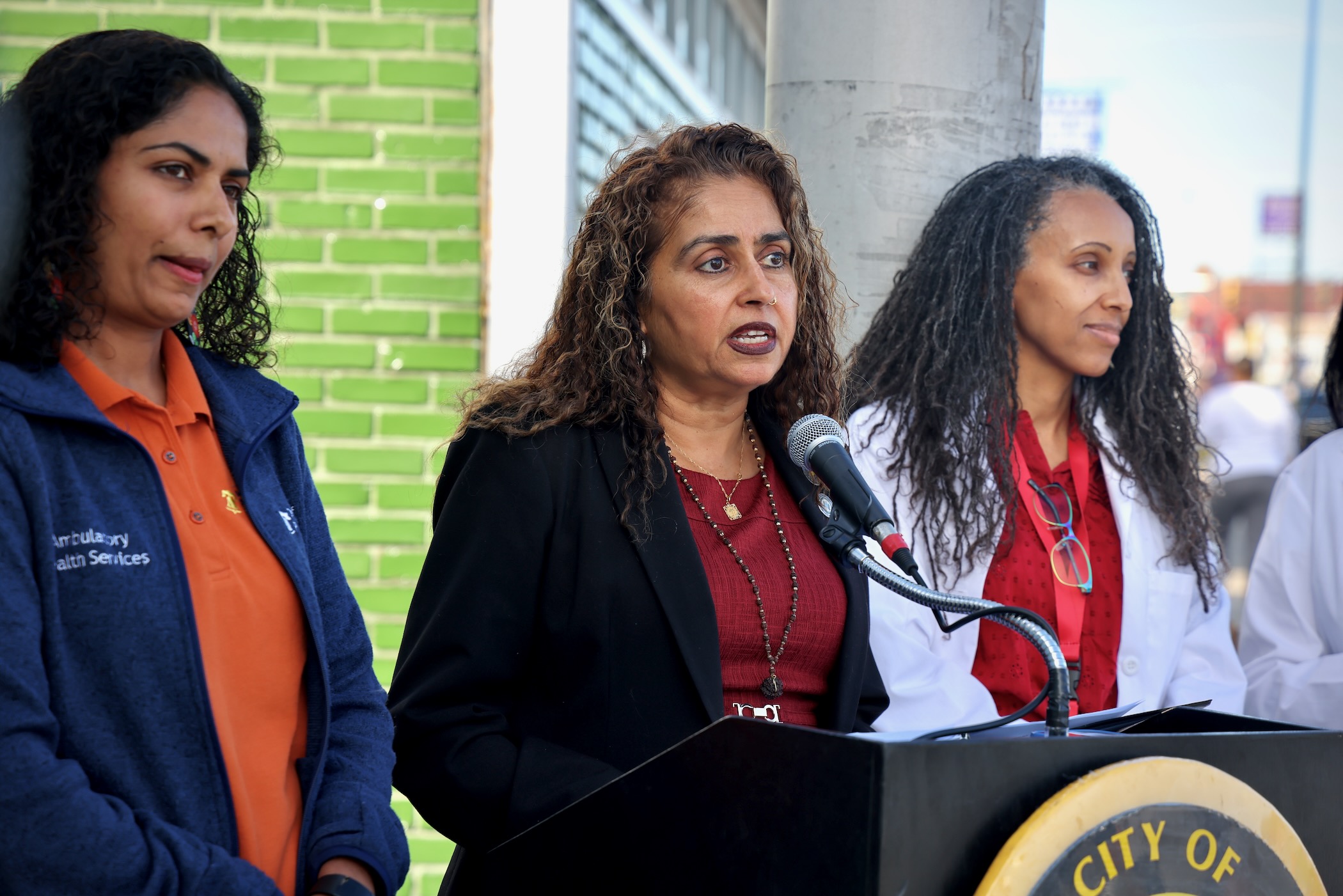
When police officers walk the beat in New York City, where they choose to pull out their ticket books tells a very clear story about enforcement priorities. A data analysis published by the Data Collaborative for Justice at John Jay College reveals that officers in the South Bronx and in East New York, Brooklyn are issuing criminal tickets for low-level offenses like loitering, panhandling and littering at rates higher than anywhere else in the city.
The numbers lay out a stark geographic concentration.
Audrey Martin, a spokesperson for the New York Legal Aid Society, pointed to the data as evidence of an unfair enforcement strategy.

Judges throw out most criminal summons cases
The heavy reliance on criminal summonses for minor infractions happens against a backdrop of notoriously low conviction rates. According to a previous study by the same John Jay College research group, judges threw out 65% of criminal summons cases in 2024 due to paperwork issues or because they were legally insufficient. Ultimately, only 9% of the criminal tickets issued that year resulted in convictions. Researchers noted that even when cases are eventually dismissed, defendants still face significant penalties simply by losing wages and spending hours going through the court system.
These are not the kind of offenses officers respond to after getting 311 complaints. “Clearly it’s a choice to issue those types of summonses in large numbers,” Rempel said.
The NYPD offers a different perspective on what drives the activity on the ground. In the 40th precinct, in the South Bronx, 311 calls have increased 215% since 2015, while in the 75th precinct, they’ve increased 556% in the same period.
South Bronx, East New York lead NYC in littering and panhandling tickets, analysis finds https://t.co/tbkr8SFbuk
Weekes maintained that the number of summonses citywide has not grown over time. Enforcement has actually ticked downward recently. Officers in the 40th precinct in the South Bronx have written 20% fewer criminal summonses this year, and officers in the 75 precinct in East New York have issued 15% fewer, he said.
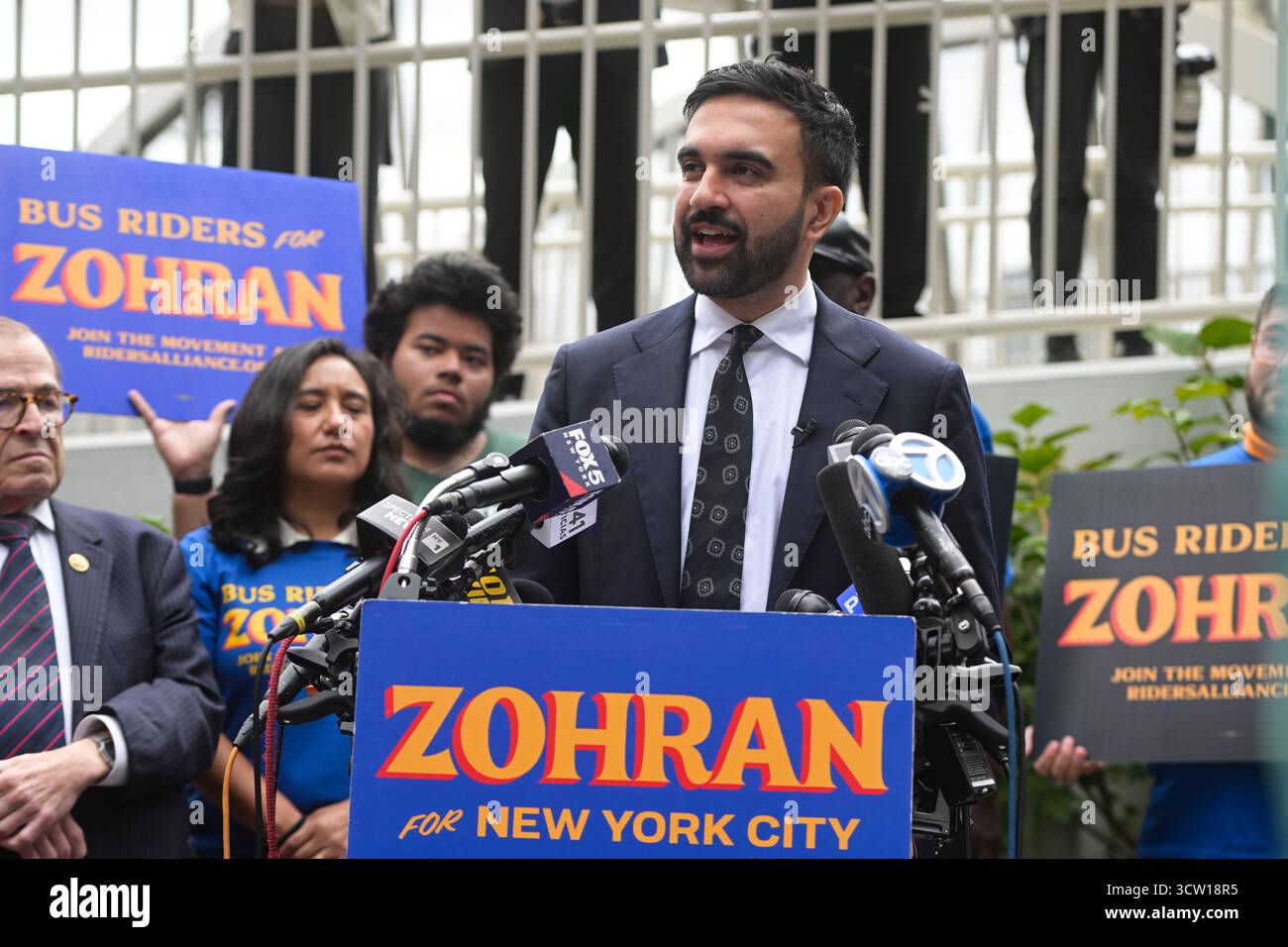
Mamdani faces criticism over policing issues
Racial disparities in these enforcement patterns also persist. The data shows that nearly 82% of criminal summonses issued in the first half of 2026 were issued to Black and Hispanic New Yorkers.
On the streets of the South Bronx and East New York, residents hold mixed opinions on the presence of law enforcement. Antigone Raynaud, a 30-year-old who visits the Hub shopping district in the South Bronx to sell blood plasma, understands why police patrol an area dealing with visible homelessness and drug use. However, she worries about the cascading penalties of a criminal ticket.
Malaika Holder, a 32-year-old lifelong resident of the Bronx who lives in Mott Haven, isn’t surprised by the high volume of loitering tickets, but she calls the reality of it sad. She pointed out that neighborhood culture heavily involves hanging out on stoops and sharing public spaces. Instead of criminalizing people for finding vices during hard times, she believes the city should address issues with resources other than the police department.
Over in Brooklyn, some East New York residents welcomed the visible police presence. Das Angshu, a 57-year-old local plumber, said he feels safer seeing officers regularly and does not view them as overly punitive. On the other hand, 18-year-old student Kenneth Willis worries that cracking down on minor violations will only widen the rift between residents and law enforcement.