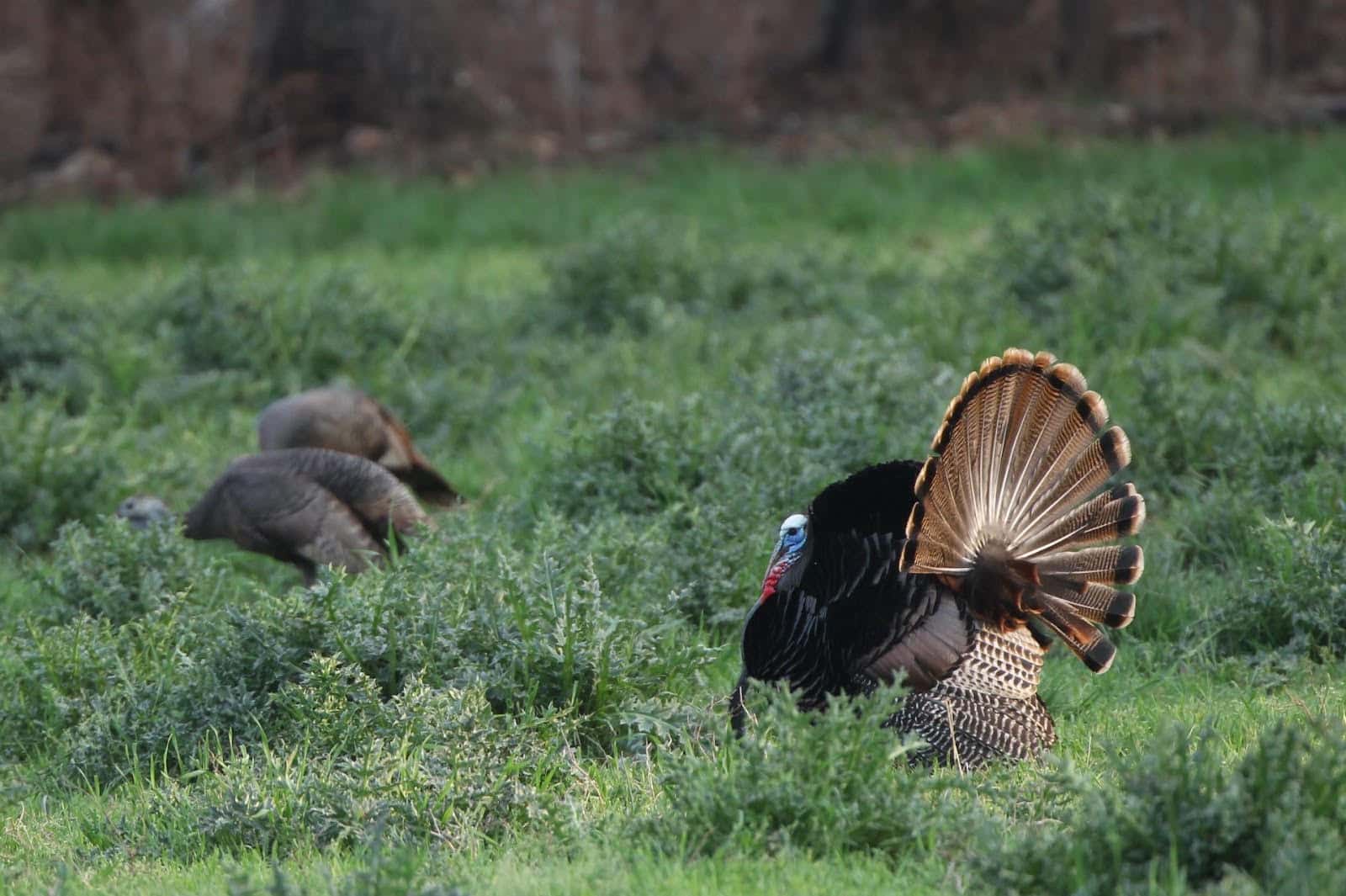
Arkansas hunters will see a shift in their turkey season if a proposed regulatory change moves forward. The Arkansas Game and Fish Commission has proposed moving the turkey season one week earlier across most of the state, a change intended to take effect beginning in 2027, according to a report from agfc.com.
The decline of Arkansas grasslands and the quail crisis
While the turkey season adjustment captured immediate attention, much of the Commission’s recent focus has been directed toward a much more dire ecological reality: the disappearance of native habitats. During a recent meeting, Clint Johnson, the AGFC Quail Program coordinator, presented a sobering overview of the status of northern bobwhite quail in Arkansas.
The northern bobwhite is what biologists classify as a “brush obligate grassland bird,” meaning its survival is tethered to a very specific, fragile ecosystem.
“Northern bobwhite are what we call a brush obligate grassland bird,” Johnson said. “If you remember anything we say here it’s these three words: grass, weeds and brush. … Quail need bunch grasses that grow in clumps to offer a mix of cover and bare ground … weeds are all those native wildflowers and broad-leaved forbs that produce the seeds the birds need … brush gives escape cover from predators and severe weather.”
Johnson reported that Arkansas has lost 99 percent of its native grasslands. This loss creates a biological bottleneck where even if a property has the right grass or the right brush, it rarely possesses the specific, abundant combination of all three necessary components to support a healthy quail population.
The Commission is attempting to combat this decline through two primary avenues: working on public lands to restore areas where old field and prairie habitats have been overtaken by forests, and implementing programs to assist private landowners in bringing these conditions back to their property. Restoration efforts currently rely on a combination of herbicides, prescribed fire, and forest thinning to maintain the necessary balance of open space and cover.
Budget increase accelerates Centerton fish hatchery renovation
Beyond wildlife management and seasonal shifts, the Commission addressed several administrative and infrastructure priorities that impact state resources and agency operations.
Other administrative actions included:
- The approval of a 0.5-acre utility easement with the Yell County Water Association to allow for the installation of underground water transmission pipes through a portion of the Petit Jean River Wildlife Management Area.
- A minute order to provide legal defense and funding for outside counsel for AGFC staff who are acting within their official duties in a federal lawsuit recently filed by two former employees of the agency.
As the Commission moves toward the 2027 implementation of an earlier turkey season, the focus remains on balancing the interests of the hunting community with the biological necessity of habitat preservation.



