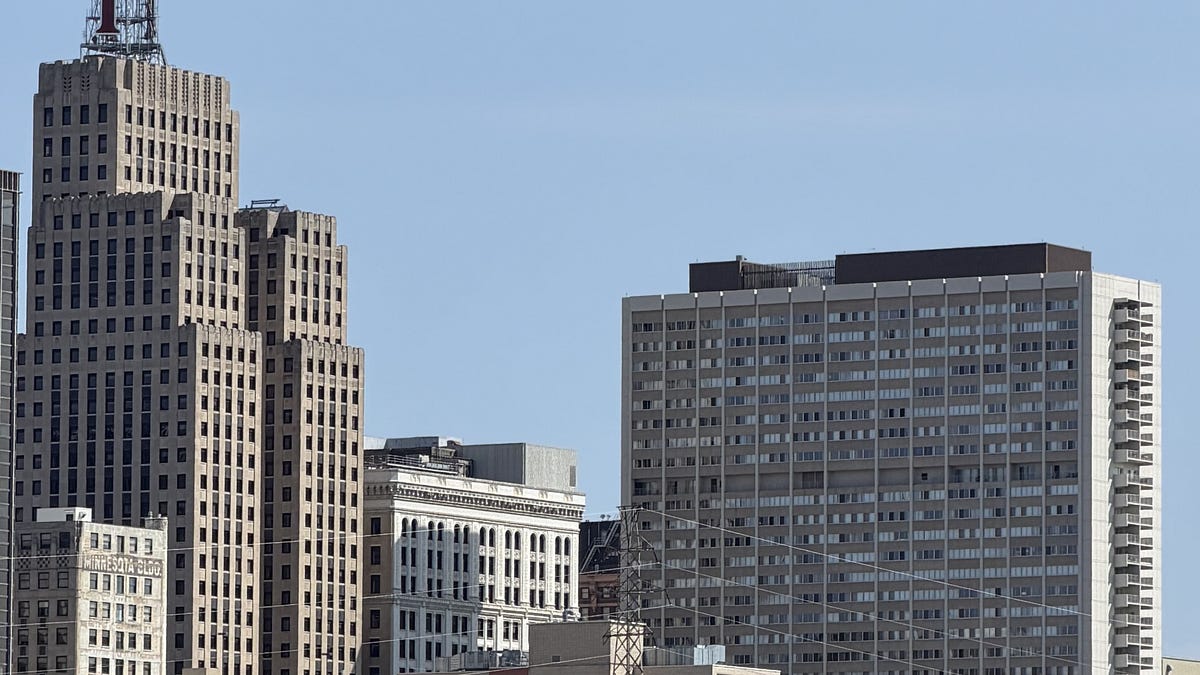
St Paul, Minnesota, and São Paulo, Brazil, share a name and little else on the surface, yet their skylines tell an identical story of boom, bust, and architectural transformation, umbraparis.substack.com reported.
Walking along the Mississippi River banks in St Paul last summer, observer Luca Johnson noticed two striking architectural neighbors downtown: the wedding-cake Art Deco skyscraper known as the First National Bank Building sitting directly beside the modernist Kellogg Square. That exact juxtaposition mirrors the view through the canyon of towers in Centro Histórico across the equator in São Paulo, where distinct building eras stand side by side.
The shared architectural likeness is no coincidence, reflecting how each city grew from the late 19th century onward. The First National Bank Building opened in 1931 and stood as St Paul’s tallest for over half a century. Builders faced competition for materials as the Empire State Building rose simultaneously in New York, with both towers clad in Indiana limestone.
The stepped shape of these Art Deco structures traces back to New York’s 1916 zoning resolution, a law requiring tall buildings to step back as they rose so light could reach the street. That aesthetic spread worldwide, reaching cities from Shanghai to São Paulo.
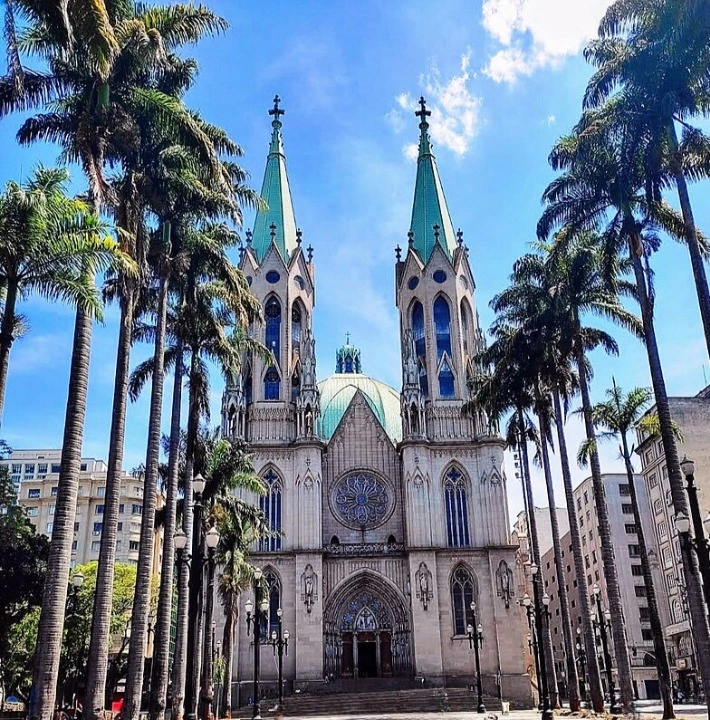
During the same decade, Banespa set out to build a new headquarters in the heart of São Paulo’s banking district, securing a site in 1936 and beginning work in 1939 on the Altino Arantes Building, known today as the Edifício Banespa.
Engineer Plínio Botelho do Amaral drew the original design, while construction firm Camargo & Mesquita adapted the vision to resemble the Empire State Building with tiered upper floors rising to a slender crown. Using a reinforced-concrete frame and porcelain skin rather than steel and limestone, it became South America’s tallest building upon its inauguration in 1947.
Immigrant labor fueled the dramatic expansion of both cities. St Paul’s population tripled from about 41,000 in 1880 to 133,000 in 1890, while São Paulo’s quadrupled from roughly 65,000 in 1890 to 240,000 in 1900.
In the American Midwest, railways brought migrants and immigrants, with over 70% of St Paul residents having immigrant parents by the early 1900s. In Brazil, the British-built São Paulo Railway opened in 1867, linking inland coffee country to the port of Santos and slashing transport costs by about a third.
The Great Depression ultimately halted both booms. Wheat prices slumped after World War I, leading to widespread rural bank failures across Minnesota through the 1920s. In São Paulo, the coffee market collapsed in 1929 as global depression struck, weakening the state’s political grip.
When each iconic tower finally finished construction, it served less as a monument to ongoing expansion than as a tribute to the historical growth that built each metropolis.