The Combat Veteran Facing Prison for a Church Protest
“I can still see myself on the firing line, and I can still feel what I felt in my stomach then. I couldn’t identify it at the time, but I knew it didn’t feel right,” Ian Austin recalled.
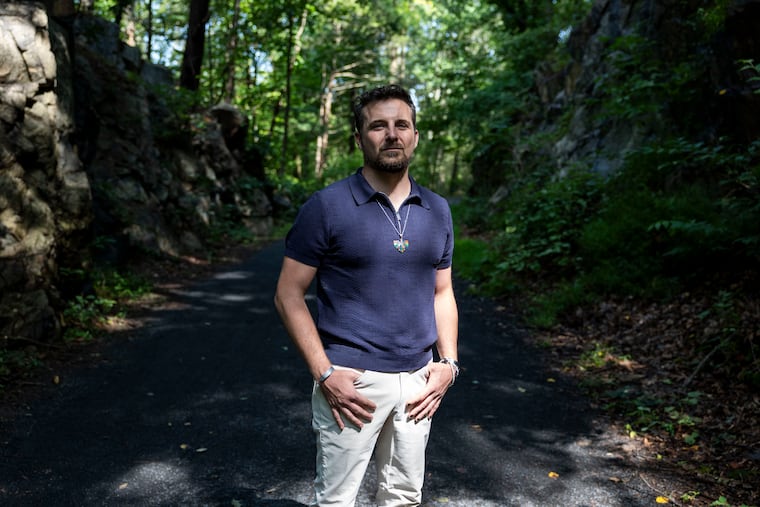
Austin, a 36-year-old U.S. Army veteran from Bryn Athyn, watched the video of an Immigration and Customs Enforcement agent fatally shooting Renee Nicole Good in January. Unlike most observers, he knew the visceral weight of pulling a trigger in uniform. That confrontation between grief, memory, and political outrage sparked a cross-country drive to Minnesota, a demonstration inside a St. Paul church, and an unexpected federal indictment that could now carry up to 10 years in prison.
His journey through the military and into the heart of modern anti-ICE demonstrations forms one piece of a high-profile federal case involving 38 defendants, including Don Lemon. Defense attorneys argue the prosecution represents an misuse of the Department of Justice to silence critics of immigration policies, while prosecutors maintain the protesters infringed on civil rights and intimidated congregants.
From the 1st Ranger Battalion to the Mountains of Afghanistan
Long before facing felony charges in federal court, Austin grew up in Huntingdon Valley and Bryn Athyn, where he excelled at baseball and wrestling. An arm injury ended his athletic scholarship aspirations, leading him to enlist in the military out of a sense of obligation. From 2008 to 2014, he served in the U.S. Army as part of the 1st Ranger Battalion, completing six deployments to Afghanistan and earning a joint service commendation medal with a “V” device for combat heroism.

Those deployments left deep psychological marks. Austin described his combat experience — dropping into remote mountains at night to pursue high-value Taliban or al-Qaeda targets under strict rules of engagement — as a source of severe depression, treatment-resistant post-traumatic stress disorder, and moral injury.
What I’m doing now is actually fighting against the things that they said we were going to fight against over there.
Following George Floyd’s murder in 2020, Austin joined La Salle University classmates protesting police brutality, acting as an ad-hoc medic. That involvement initiated what he described as a vital course correction, convincing him that active resistance against government actions was essential to his own mental stability.
Inside the St. Paul Church Confrontation
Austin traveled to Minnesota during Operation Metro Surge, a period of intensified ICE and Border Patrol arrests across the Twin Cities. Following the Jan. 7 fatal shooting of Renee Nicole Good, clashes erupted daily outside the Bishop Henry Whipple Federal Building. Within a day of arriving, federal law enforcement detained Austin.

While jailed, he learned of a planned demonstration at Cities Church in St. Paul, where one of the pastors served as a local ICE official. According to the federal indictment, Austin was part of a group of “approximately 20-40 agitators” who executed a coordinated takeover of the church. The document alleges the group shouted chants like “ICE Out!” and “Hands Up, Don’t Shoot!” in a hostile manner that left congregants fearing a mass shooting.
Investigators state that Austin approached the pastor and congregants menacingly, questioning them about Christian nationalism. His defense attorney, Sarah Gad, argues that the charges stretch existing laws far beyond their intended scope, noting that standing in a church and chanting does not constitute a federal crime.
Defendants Claim Selective Prosecution Citing Prior Pardons
The defendants face charges under the Civil Rights Act of 1871—originally enacted to protect Black people from the Ku Klux Klan and other violent white supremacist groups—and the Freedom of Access to Clinic Entrances (FACE) Act, which includes protections for places of worship. Gad and her colleagues filed a selective and vindictive prosecution motion, pointing out that the Trump administration previously pardoned anti-abortion protesters convicted under the exact same statute.
With 38 defendants handling pretrial motions, the docket has moved slowly amid scheduling delays and the withdrawal of at least five prosecuting attorneys. Meanwhile, Jordan Kushner, attorney for lead defendant Nekima Levy-Armstrong, characterizes the sweeping indictments as a concerted effort by the Trump administration to target anti-ICE organizers across multiple jurisdictions.
For now, Austin remains in Pennsylvania under a judge’s order restricting his travel following a June disorderly conduct charge for demonstrating near the Delaney Hall detention center in New Jersey. Facing federal hearings this week, he remains uncertain of his legal future but resolute in his motivation.
“Maybe this is a bit grandiose,” Austin said, “but I would like to live in a world where our laws and systems reflect our actual values.”