“What does it mean to be human?” Hunter Schafer asks, echoing the question that has anchored the franchise since 1982.
Amazon’s Blade Runner 2099 debuted all eight episodes on Prime Video on November 25, flipping the series’ power dynamic: replicants now rule Los Angeles, and humans are the hunted underclass.
Replicants Rule Los Angeles in the New Season
Luisa argues the show isn’t “necessarily about just AI.” “It’s this bigger question of what is the world going to be in 15 years and how can you plan for it?” she told BBC Newsbeat. Schafer adds the series speaks to “youth and young people who are inheriting a world that’s asking a lot of the same questions that the show asks.”
Showrunner Sets Aside Fear to Tackle Franchise Legacy
Having previously run Apple TV’s Shining Girls adaptation, Silka Luisa explains she had to shove anxiety over the massive challenge of succeeding Blade Runner out of her thoughts during production. “I just don’t think you can approach Blade Runner with fear,” she tells The Verge. She adds that she ignored those fears to stay focused on the work.
Executive producer Broderick Johnson, co-founder of Alcon Entertainment, explains the decision to move the franchise to television after 2049 involved taking the entire canon into account. He says the team weighed what to do with the property before committing to the series format. The project was greenlit during a streaming peak when platforms were hunting for the next Game of Thrones-level hit, IndieWire reports.
Cast and Crew Describe the Central Partnership
Luisa describes the relationship between Olwen and Cora as “an enemies to allies dynamic.” For Yeoh and Schafer, it became almost maternal. “When Cora and Olwen came together, it was two lonely souls recognizing each other,” Yeoh says. The Los Angeles Times reports Yeoh adds that Olwen has been hiding many things from Cora throughout the season.
Yeoh teases the tension between the pair with a devious relish: “That tug and pull between the two of them is like whose tooth is coming out first? And it gets gnarly.”
Hunter Schafer and Michelle Yeoh step out for the world premiere of 'Blade Runner 2099' season 1 in Los Angeles 🤖 pic.twitter.com/JJs9st9V1I
Production Design Leans on Practical Craft
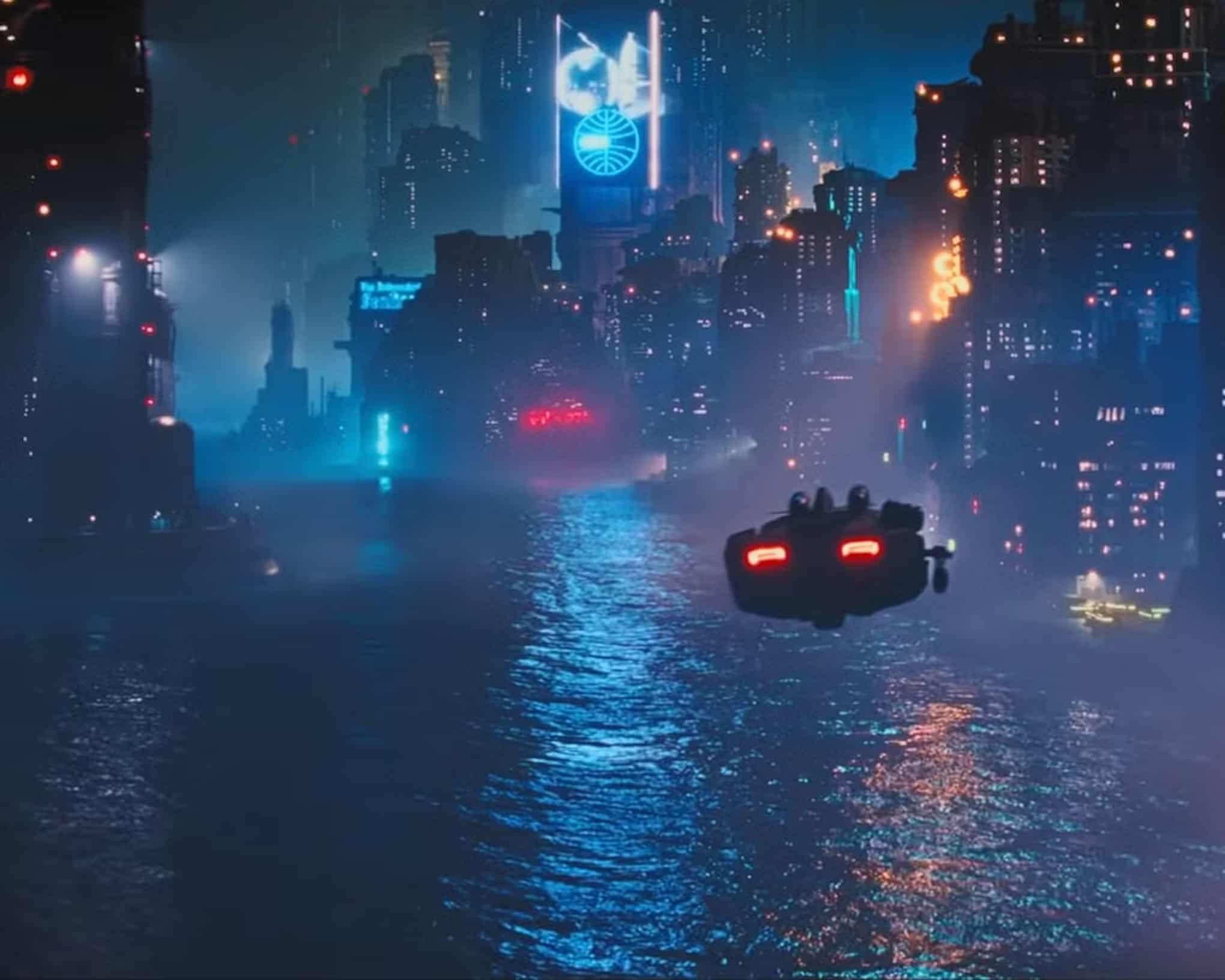
Ironically, for a future where it is impossible to differentiate between artificial and authentic lifeforms, much of 2099 employed old-fashioned practical sets and locations in Prague and Spain, the Los Angeles Times notes. The series opens by recycling cinematographer Jordan Cronenweth’s moody neo-noir visuals to depict the beginnings of the Tyrell Corporation’s biomechanical androids, The AV Club reports.
Costume designer Helen Huang riffs on the franchise’s legacy of great coats, with Olwen’s layered trench coat right at home alongside Deckard’s and K’s fashion choices, Mashable observes. The series also employed “hundreds of artists and craftspeople,” a point Gribben raises as a celebration of traditional film-making despite the show’s technological themes, BBC Newsbeat reports.
Amazon formally ordered Blade Runner 2099 in September 2022 with Silka Luisa as showrunner after she created, wrote, and executive produced the Apple TV+ series Shining Girls (2022), where she also oversaw post-production and structural changes from the source novel.
Luisa said she had to shove anxiety over the massive challenge of succeeding Blade Runner out of her thoughts during production, telling The Verge, “I just don’t think you can approach Blade Runner with fear.”

Luisa described the new series as extending the franchise’s “moral ambiguity” while building Michelle Yeoh’s replicant character Olwen around her own longstanding empathy for the franchise’s replicants and modeling the arc on Rutger Hauer’s in the original film, but from the replicant’s perspective.
Story Designed as a Limited Series
Luisa confirmed the story was always meant to end after one season. “It was always considered a limited series,” she said in a July 2026 Comic-Con interview with Collider. The finale leaves Olwen and Cora’s fates open.
“Even when we leave off with Cora, it’s like, ‘Where do we go from here?” “You’re still stuck here in this place,” Schafer told the Los Angeles Times. Luisa embraces the ambiguity: “What I love about both films is that there’s so much debate about what the endings mean.”