Boston Housing Starts Slow to 2010 Depths as Officials Defend Strict Rules
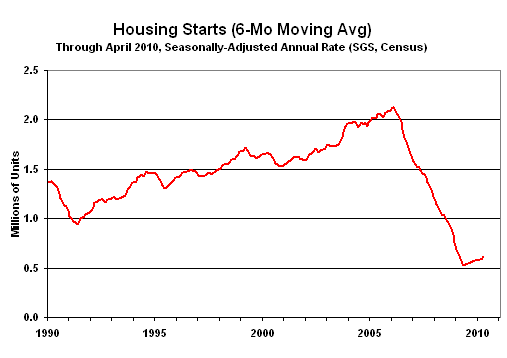
Boston’s housing construction has dropped to its slowest annualized pace since 2010, in the depths of the Great Recession, driven in part by policies that make building difficult, while lagging construction activity forced the city to tap into its reserves to cover a $70 million shortfall in its current budget.
Between 2015 and 2024, the state lost a net 324,000 residents to other states, representing 4.7 percent of its population, according to Census Bureau migration data. Over that same decade, departing residents took an adjusted gross income worth $28 billion in today’s dollars, per IRS figures cited by bankerandtradesman.com.
Boston Chief of Planning Kairos Shen defended the city’s approach during a recent panel discussion sponsored by the MIT Center for Real Estate. It’s hard to develop here. It should be,
Shen told developers, as reported by bankerandtradesman.com. You guys want us to lower our standards. Part of my job is to hold those standards and try to still make them work.
In 2023, Boston expanded its inclusionary zoning policy, raising the requirement for income-restricted units in market-rate developments from 13 percent to 20 percent. Following that policy shift, housing permits dropped dramatically, landing the city at its slowest building pace since 2010 during the first quarter of 2026.
Addressing developers at MIT, Shen pushed back against profit-driven motives, stating, If it’s just about getting a 7 percent return… you’re investing for the wrong reason.
He also suggested that the public sector re-enter home building. However, Boston’s current budget strains make large-scale public housing development cost-prohibitive compared to private sector construction.
The Debate Over Development Standards
Andrew Mikula, chief housing economist at the Pioneer Institute, and Frank J. Bailey, president of the Pioneer New England Legal Foundation, argue that high standards restrict who can afford to live in the city.
Mikula and Bailey contend that Boston needs standards that make new housing more financially viable to build by loosening inclusionary zoning requirements and making Boston subject to the state’s zoning law.