Dover Police Withhold Felony Suspect Names Under Strict New Delaware Statute
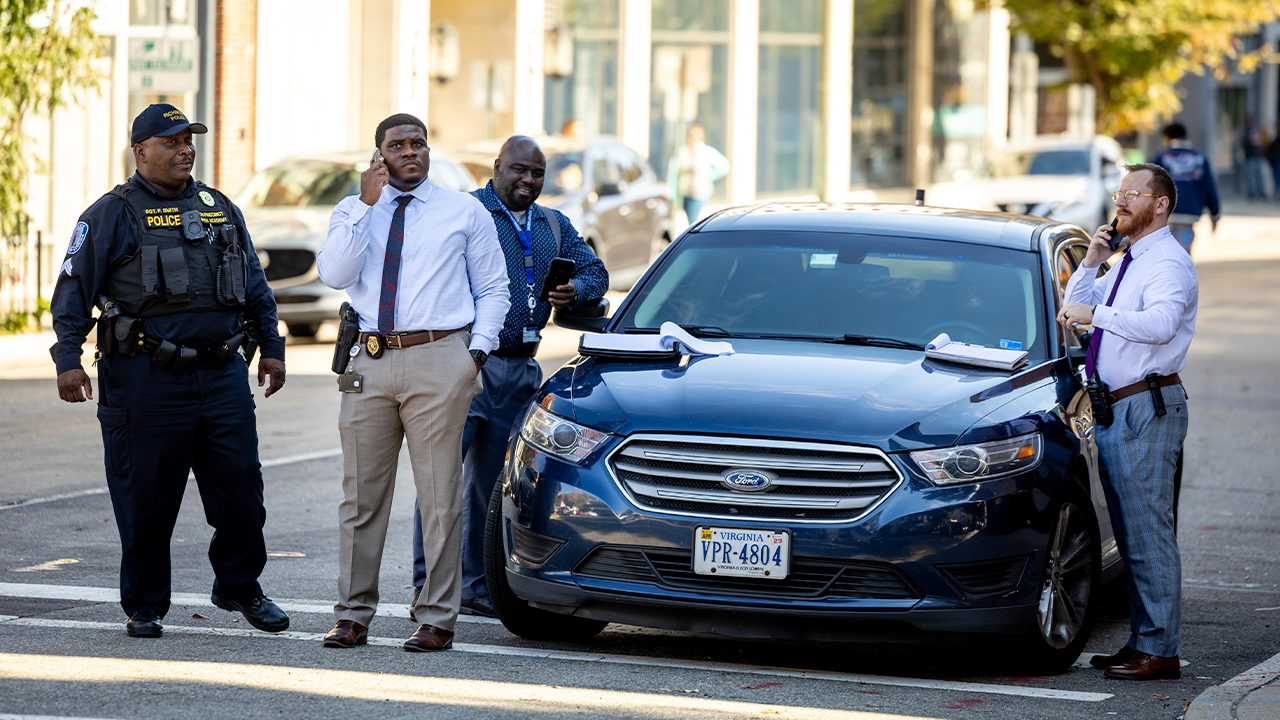
When hundreds of people gathered after Delaware State University’s homecoming events for a fatal shooting, or when a masked intruder pointed a gun at a 15-year-old girl during a home invasion, the Dover Police Department took a step that broke decades of routine. They announced the arrests, but they left out the names of the accused gunmen. According to WHYY, those suspects now sit behind bars on high bail—including a $1.7 million cash bond for the murder suspect—yet their identities remain shielded from the public.
The silence from law enforcement stems from House Bill 59, which took effect on October 21. Co-sponsored by Rep. Claire Snyder-Hall, D-Rehoboth Beach, and signed into law by Gov. Matt Meyer on July 23, the statute fundamentally alters how police departments and prosecutors handle public disclosure. Under the new rules, a felony charge no longer grants automatic clearance to release a suspect’s name or mugshot. Instead, agencies must establish that releasing the information also serves a public safety purpose, creating a legal minefield that exposes non-compliant departments to potential lawsuits, as the Cape Gazette reported.
The Attorney General’s Guidance and the Strict “Public Safety” Test
To help agencies manage the transition, the Delaware Department of Justice released a 14-page guidance document on October 14. Attorney General Kathy Jennings’ office provided a detailed memo instructing every police agency in the state on the statute’s boundaries.
According to the Department of Justice memorandum, law enforcement must withhold names and photos whenever a felony suspect is being held in prison and there are no unidentified victims. The rationale is that someone behind bars can’t shoot, rob, rape or assault anyone, failing the “necessary” test. Mat Marshall, director of external affairs for the Office of the Attorney General, noted that the directive serves as a strict compliance guide rather than an endorsement of the policy.
“Each of our offices must balance our statutory obligations with our public safety mission, our transparency posture and our professional relationship with the media,” wrote Mat Marshall, director of external affairs for the Office of the Attorney General. “We are all recalibrating the balance under this law.”
The restrictions extend even further into white-collar and public corruption cases. The law mandates that police don’t release names or photos for felony official misconduct, bribery, and deprivation of civil rights charges, even if the accused successfully posts bail. Because white collar criminals aren’t a public safety threat, their identities stay hidden.
Friction Between Law Enforcement and State Prosecutors
Police leaders across Delaware are pushing back against the sweeping limits. While local departments raised no public objections before the bill passed, police chiefs are now voicing sharp frustration.
“The community needs to know who the dangerous people are, if we want to try and solve community problems,” Dover Police Chief Thomas Johnson Jr. told WHYY.
Chief Johnson admitted he struggled with how to handle the recent high-profile murder and home invasion cases before ultimately following the Attorney General’s guidance. Critics of the law point out that the restrictions prevent citizens from learning the names of individuals accused of grave crimes, such as murdering a neighbor’s family, or of a teacher detained for sexually assaulting a student. Voters also lose immediate notification if police charge a state legislator with accepting a bribe in return for their vote.
Attorney General Jennings shares these concerns. Although her office drafted the compliance memo to protect agencies from litigation, Marshall confirmed that the Department of Justice disagrees with the statute’s limits and intends to lobby lawmakers to amend or repeal the law.
What Remains Accessible and Unresolved
The statute does not entirely block public awareness, but it shifts the burden of investigation. The law does not prohibit news organizations from publishing names or photographs once law enforcement agencies have released them, nor does it prohibit the release of information about a person of interest in uncharged investigations, such as a shoplifting investigation.
However, reporters seeking arrest details must now bypass police press releases and pull case files directly from the courts. This task is complicated by court systems that prohibit searches by date or crime type, requiring journalists to already know a defendant’s name to locate the record.
As lawmakers consider potential adjustments to House Bill 59, police agencies and prosecutors continue to balance statutory compliance against community transparency, leaving the exact definition of public safety open to interpretation.