A Morning Lockdown and a Rapid Reversal at Ruby’s Good Shoes
For the diners enjoying brunch at Ruby’s Good Shoes in Northeast Park Hill this past Wednesday, the atmosphere shifted from casual to chaotic in a matter of minutes. Two city tax compliance enforcers and a locksmith arrived at the restaurant, serving a warrant to seize the property over unpaid tax penalties. As reported by Denverite, the enforcement team gave owner Hasena Williams just 30 minutes to shutter operations, leaving staff and patrons in a state of sudden, disruptive uncertainty.
The seizure was tied to approximately $5,000 in outstanding tax-related debt. According to Williams, she has largely kept up with her tax obligations for Ruby’s, and the remaining balance consists of fines and late fees. The city, however, has declined to confirm the specific breakdown of the debt on the record.
The Pressure of Small Business Overhead
The incident serves as a stark illustration of the friction between municipal revenue enforcement and the survival of local, independent businesses. Williams told Denverite that running a small restaurant costs her about $80,000 a month. She has made tough calls: pay workers or pay the city. She also faced challenges meeting state tax requirements, but she noted that the state provided an agreement to waive her late fees so she could continue operating.
While the state of Colorado reached a deal with Williams to cancel late fees on state taxes, her negotiations with Denver officials have proven more contentious. Williams has rejected city-offered payment plans, arguing that the fees and fines are unjust. This standoff reached a breaking point on Wednesday morning, as the city moved to lock the doors.
Community Response and the Mayor’s Intervention
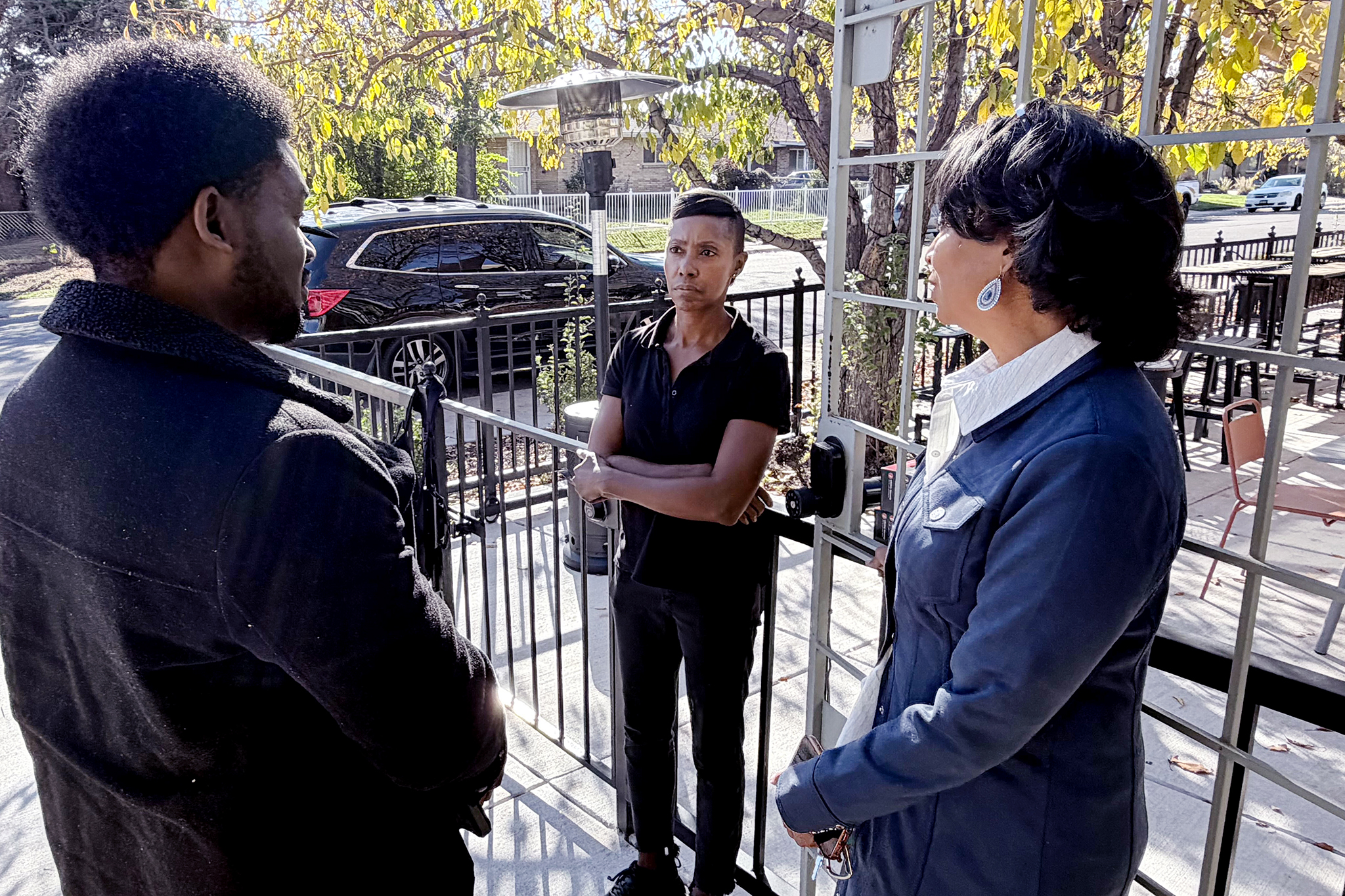
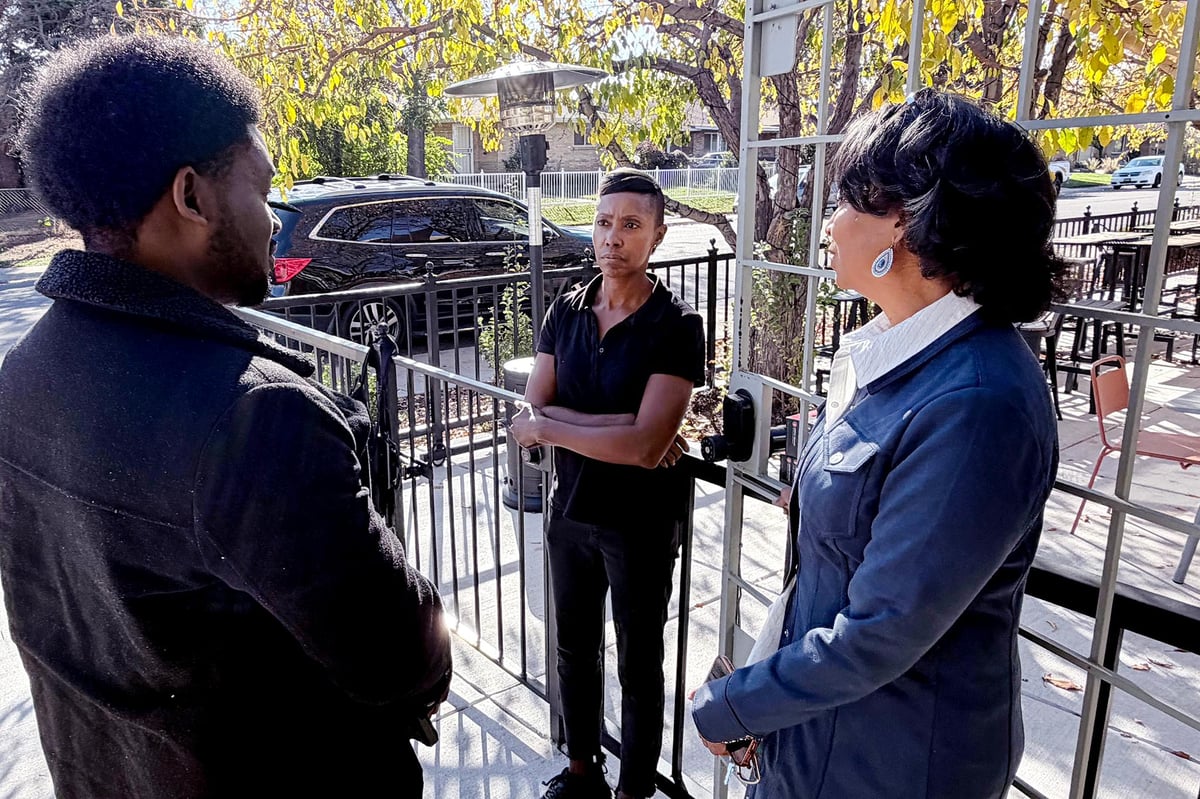
The lockout did not last long. As word spread, community activist Jeff “Brother Jeff” Fard and mayoral candidate Lisa Calderón arrived at the scene, livestreaming the events to an audience that quickly grew. The situation intensified when a city worker threatened to involve the police after Fard refused to leave the premises.
The resolution came with surprising speed. After Denverite reached out for comment, a spokesperson for the mayor’s office, Jon Ewing, disavowed the lockout. “That was not authorized,” Ewing texted. “The locks will come off. Right f****** now.” By Wednesday afternoon, city officials had shifted their tone, with a representative from the Department of Finance arriving to facilitate a de-escalation that allowed the restaurant to prepare for a Thursday reopening.
The swift reversal highlights the volatility of local tax enforcement, a recurring issue in Denver’s business climate. The episode underscores how quickly disputes over municipal penalties can ripple through a neighborhood favorite. The broader question remains whether the city will find a path to reconcile its need for tax compliance with the financial realities faced by small-scale entrepreneurs.
An Open Question on Policy
For now, the restaurant is back in operation, but the underlying dispute over the $5,000 in debt remains unresolved. Even though the municipality is prepared to establish a payment schedule with her, she has declined the proposal, contending that the fines and fees are unfair.