Halloween in the D is more than a holiday celebration for Detroiters; it is a decade-long exercise in community reclamation. What began as a strategic public safety initiative to curtail dangerous Halloween-era arson has evolved into a citywide infrastructure of family-friendly programming, with officials marking the event's ninth anniversary this year as proof of the city's changing reputation.
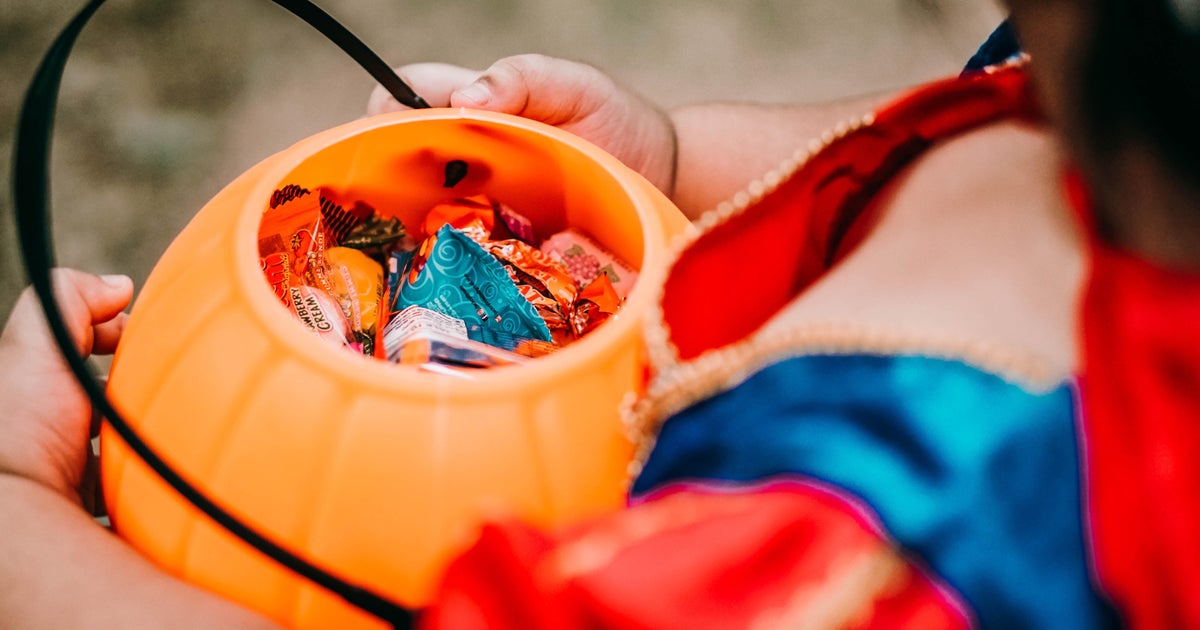
As families across the city prepare for this weekend’s festivities, the scale of the operation is impossible to miss. According to reporting from CBS News, city officials have distributed 1.8 million pieces of candy this year, a significant increase from the 1.3 million distributed last year. Under the guidance of Detroit District 1 manager Steele Hughes, the city has expanded its footprint to include three dozen trunk-or-treat events, effectively decentralizing the celebration to ensure that residents in every neighborhood have access to safe, organized activities.
From the Shadow of Devil’s Night to a New Tradition
To understand the stakes of today’s celebration, one must look at the history of late October in the city. Between the 1940s and 1970s, what was then colloquially known as “Devil’s Night” became a persistent nuisance, marked by property damage and vandalism. By the 1980s, the situation escalated as empty properties became targets for arson. The city’s response was immediate and structural: in 1986, officials implemented a 10 p.m. curfew for residents under 18, eventually launching “Angel’s Night” in 1995 to mobilize volunteers to patrol neighborhoods and prevent fires.
The success of that volunteer-led model was measurable. A decade after the launch of Angel’s Night, fire reports for the three-day period ending October 31 had plummeted by more than 50%. At its peak in 2008, more than 35,000 volunteers were actively patrolling the city. By 2017, however, the city decided that the model had served its purpose, transitioning away from reactive patrols toward the proactive, community-focused framework of Halloween in the D.
Building Bridges with First Responders
For city officials, the shift is about more than just candy and costumes. It is about humanizing the presence of police and fire departments in the daily lives of Detroiters. Steele Hughes, who has served as co-chair of the event for four years, notes that the current iteration is designed to create lasting, positive associations for a new generation of children.
It’s about creating those first positive experiences. We’ll have a whole generation of kids that will look back, and they’ll remember going to a police precinct and having a good time. And I think that’s very important in changing the narrative of what a neighborhood officer is for the community, not just cops.
This year, Mayor Mary Sheffield has taken the lead on the project, operating under the theme “Rising Higher.” The programming has grown increasingly sophisticated, moving beyond simple candy distribution to include events like ScareFest at Palmer Park, which featured haunted trails and laser tag. By activating fire houses and police precincts as hub centers for the community, the city is effectively utilizing existing public assets to bridge the gap between residents and government services.
City Officials Prioritize Neighborhood Walkability for Youth
The logistical challenge of hosting these events is significant, particularly in a city where residential density can vary wildly between blocks. Hughes emphasizes that the goal is accessibility; by utilizing recreation centers and fire houses, the city ensures that children do not have to travel far to participate in a safe environment. This focus on “walkability” is a recognition of the diverse geographic realities within Detroit’s neighborhoods.
Looking ahead, the city is already planning for the 10th anniversary of Halloween in the D. The ambition is to integrate “complete wraparound services” into the event, potentially using the gatherings as a platform to connect residents with resources like record expungement through Project Clean Slate. It is a pragmatic approach to city management: meeting residents where they are, during a moment of celebration, to provide long-term economic and legal support.
As the city closes out this year’s events, officials are maintaining established safety protocols, including a 10 p.m. curfew for those under 16 and an 11 p.m. curfew for anyone under 18. The transition from the fear of the 1980s to the community-building of 2026 serves as a quiet reminder of how a city can redefine its own culture through consistent, public-facing investment.