Amid overlapping conflicts in Yemen, the Horn of Africa, and Iran, naval commanders report a sharp resurgence of maritime attacks threatening vital shipping lanes between the Red Sea and the western Indian Ocean.
Operation Atalanta Patrols the Gulf of Aden
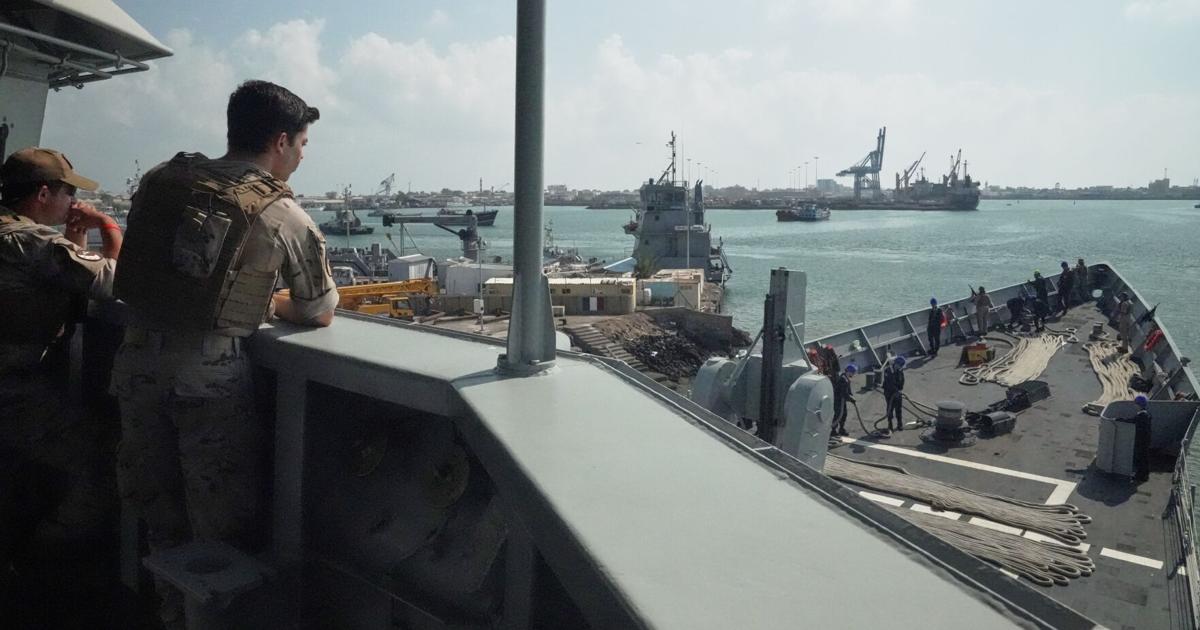
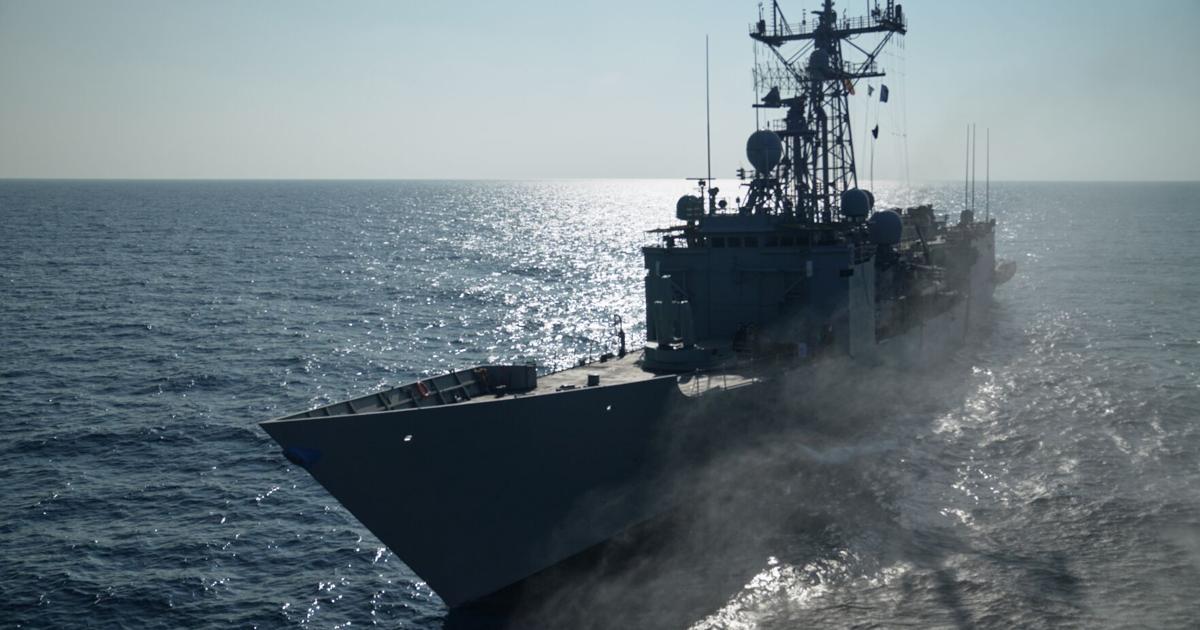
The 40-year-old warship carries more than 200 crew members and fields heavy-caliber guns, artillery, torpedoes, and missiles, alongside drones and helicopters deployed from its stern flight deck for aerial surveillance to deter potential attackers.
Established in 2008 as a multilayered naval force, Operation Atalanta covers the western Indian Ocean as well as the Gulf of Aden near the southern tip of the Arabian Peninsula. From a French military base onshore in Djibouti, the mission coordinates its operations, while intelligence gathered is shared with partner military deployments from other European nations.
Naval leadership draws an indirect line from regional conflicts to the maritime security challenges currently facing international commerce. Vice Adm. Ignacio Villanueva, commander of the EU’s Operation Atalanta, explained the trajectory of lawlessness at sea.
Instability causes instability. Instability causes illegal activities. Illegal activities cause clans to go to the sea.
Vice Adm. Ignacio Villanueva, commander of the EU’s Operation Atalanta
Seventy-Nine Attacks Recorded Since 2023
Data tracked by naval authorities shows 79 pirate attacks in the region since November 2023. Roughly 30 of those incidents occurred following the start of the conflict involving Iran in February, said Portuguese Commodore Jose Rodrigues Pedra, Atalanta’s commander at sea. Jakob Larsen, safety and security chief for the shipowners association BIMCO, noted that piracy provides a livelihood for individuals facing sky-high fuel prices driven by the Iran war.
I am not saying that there is a direct link with this crisis, but what I can say is that crisis creates crisis.
Portuguese Commodore Jose Rodrigues Pedra, Atalanta’s commander at sea
Attackers frequently utilize fishing vessels as floating bases to stage raids on larger commercial vessels. In early November, Indian forces rescued an Iranian fishing vessel after an operation lasting more than 48 hours, according to the nation’s Defense Ministry. Previous spikes in the region occurred 15 years ago, when Somali attackers seized hostages and demanded millions in ransom.
Associated Press tracking shows six commercial vessels were hijacked between April and August of the current year. Out of that group, five were later released, but the MT Asana—a Tanzanian-flagged vessel seized in July—remained under pirate control within Somali territorial waters according to Operation Atalanta’s update on October 16. The International Maritime Organization reported earlier that month that 22 seafarers remained captive on board.
Bab El-Mandeb Strait Becomes Vital Oil Corridor Amid Fighting
Fighting over the Bab el-Mandeb Strait—which sits less than 30 kilometers wide and roughly 80 kilometers north of the patrol zone—has pitted Iranian-backed Houthi rebels against Saudi-supported government forces in Yemen. Because movement through the Strait of Hormuz has faced severe disruptions, the Bab el-Mandeb has taken on heightened significance by functioning as an alternative corridor for Persian Gulf oil shipments.
If it is in danger, if it is threatened, you are not going to have what you need. The prices are going to rise, and our life is going to be much worse.
Fernando María Zumalacárregui Alario, commanding officer of the Santa María
Shipping companies are already rerouting vessels, strengthening security, and operating with higher costs such as insurance, noted Mahmoud Shehrah, a former Yemeni diplomat and fellow at the Chatham House think tank.
They’re like, ‘OK, so Suez Canal is making six billion a year and, you know, we have a natural, from Allah, canal, the strait. It’s Bab el-Mandeb. And so how do we make money from that?’
Mohammed al-Basha, founder of the Basha Report risk advisory firm