Missouri’s Private School Scholarship Program Shows Mixed Results in First Test Score Analysis
Missouri’s MOScholars program, which provides private school scholarships funded by state tax dollars and private donations, has released its first public test score data, revealing a mixed picture of academic performance. The results, analyzed by researchers at the PRiME Center at St. Louis University, indicate students achieved marginally lower math scores compared to the national average but showed slight improvements in English by the program’s third year. The findings were published on the Missouri state treasurer’s website on October 28.
The Numbers Behind the Program
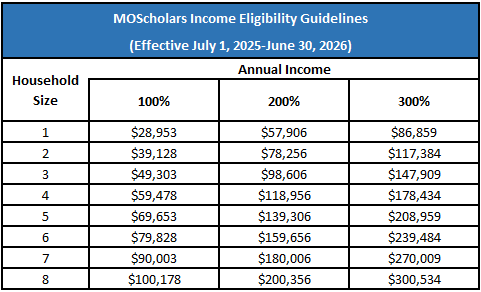
Over three years, MOScholars expanded from less than 1,400 participants in its first year to nearly 2,700 by 2024-25. However, the test score analysis faced significant limitations. Researchers combined scores from 19 different assessments, including the Iowa Assessments and NWEA, into a single percentile score to compare students nationally. Math scores rose from the 47th to 49th percentile, while English scores climbed from 46th to 51st. These results, while modest, are notable given that 40% of those who submitted valid test scores have individualized education programs (IEPs) and many come from low-income households.
“I would not have guessed that we would have seen test scores this high,” said Collin Hitt, executive director of the PRiME Center and co-author of the report. “But this is just a baseline. We need more data to understand the long-term impact.”
Small Sample Size Limits Study Conclusions
The study’s small sample size—fewer than 2,200 valid test scores across three years—limits its conclusions. Only students in grades 3 through 10 were required to test, and 22% of those eligible did not submit scores. The program’s focus on younger students skews the data, as older students are less likely to be tested. Researchers caution that the results do not prove causation, only correlation.
“It’s just not a large enough sample size to be able to say much with confidence about growth or student movement over time,” Hitt said. “Insofar as we can say anything, students in the program appear to be growing at the same pace as their peers nationally.”
Parents Praise MOScholars as Participation Expands
Despite the data’s limitations, the program has drawn praise from parents. A separate PRiME Center report found that 99% of surveyed parents expressed satisfaction with MOScholars. This high approval rating contrasts with growing criticism from opponents who argue the program diverts funds from under-resourced public schools.
“This is all about to change,” Hitt said, noting that MOScholars included more than 6,400 students last school year, with participation expanding beyond the Kansas City area. The program’s annual scholarship cap of around $7,000 per student—aligned with Missouri’s state adequacy target—allows families to use funds for tuition, supplies, and services at private, traditional public, charter, virtual or certain home schools.
Lawsuit Alleges MOScholars Undermines Public School Funding
MOScholars, created by the Missouri legislature in 2021, has become a flashpoint in the debate over school choice. Critics argue the program undermines equitable funding for traditional schools. A lawsuit against the program alleges it redirects financial resources away from public schools to private institutions that operate under different regulatory standards and could potentially exclude students due to religious beliefs, academic abilities, disabilities, or sexual orientation.
Students with IEPs Score Lower in Study
Missouri’s program stands out for its emphasis on students with IEPs, who comprised 40% or more of test-takers each year in the study.
“Students with IEPs scored lower than those without,” Hitt said.
What’s Next for MOScholars?
As the program grows, researchers anticipate more complete data. Meanwhile, the state treasurer’s office has released demographic reports showing MOScholars’ reach in districts like St. Joseph, Kansas City Public Schools and North Kansas City, where participation has surged.
The program’s future remains uncertain. While supporters highlight its potential to empower families, opponents warn of long-term fiscal and educational risks. For now, the first test score analysis offers a glimpse into the changing rules of school choice and public accountability.
For more details, see the full report from the Missouri State Treasurer’s Office: MOScholars Program Student Outcomes and Parent Satisfaction Report.