With early voting closing on October 29 and Election Day set for November 3, four candidates for Tennessee governor have detailed competing strategies to combat the rising cost of housing, utilities, healthcare, and groceries. While Tennessee remains one of the top 15 most affordable states in the U.S., WSMV reported that this broad prosperity is not reaching all families, leaving voters to choose between drastically different approaches to tax relief and government spending.
The central tension in the race is a paradox of state finance: Tennessee boasts no state income tax, yet it maintains one of the highest combined sales taxes in the country. For many residents, the absence of an income tax is offset by the daily sting of paying taxes on basic necessities—a reality that has turned the grocery tax into a primary campaign battleground.
The Battle Over the Grocery Tax
Three of the four candidates—Independent David Hatley, Independent Lauren Pinkston, and Democrat Jerri Green—have called for the elimination or repeal of the grocery tax. The stakes are high; Hatley describes the tax as an $800 million “income hit” to the state’s residents.
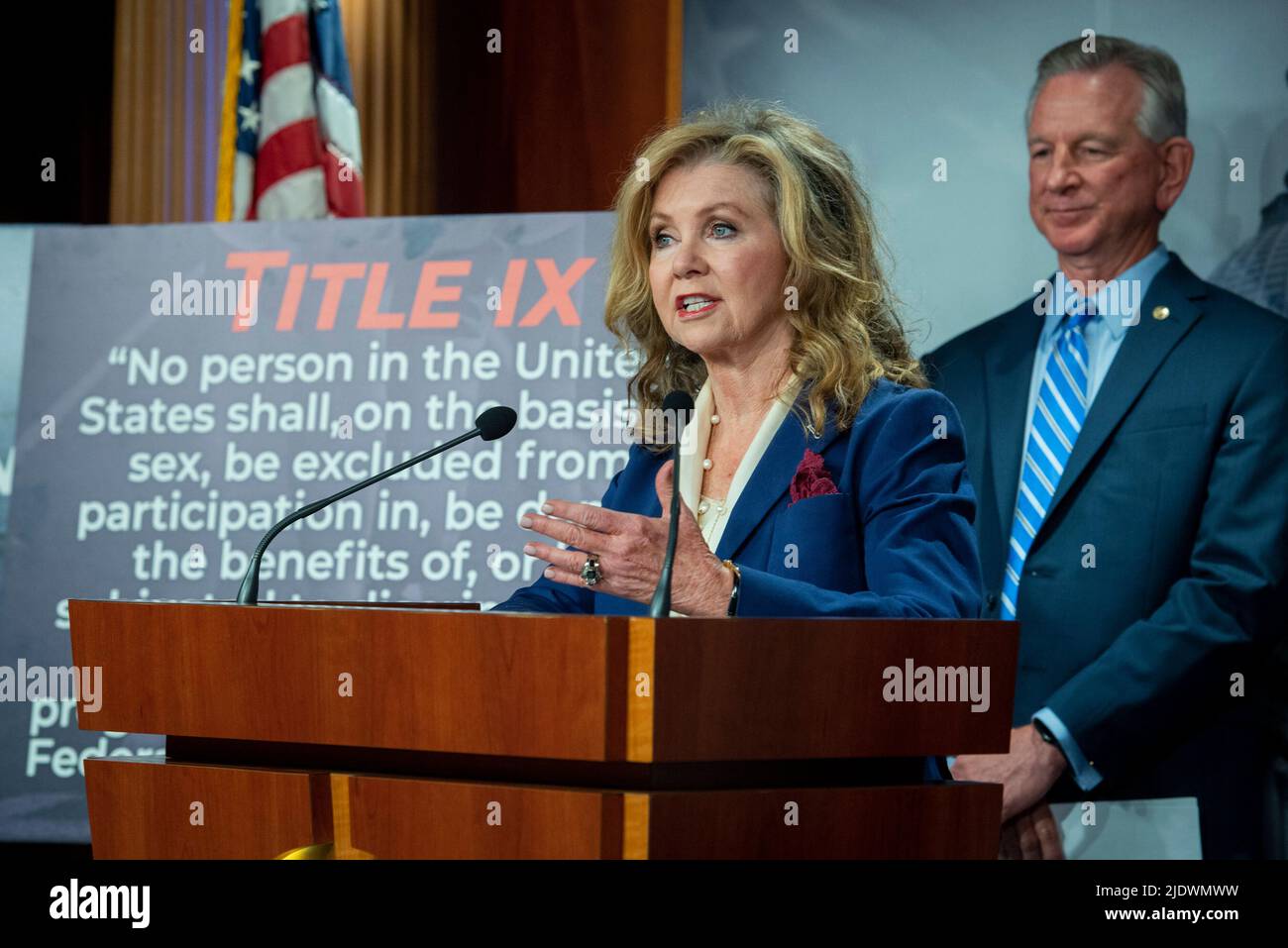
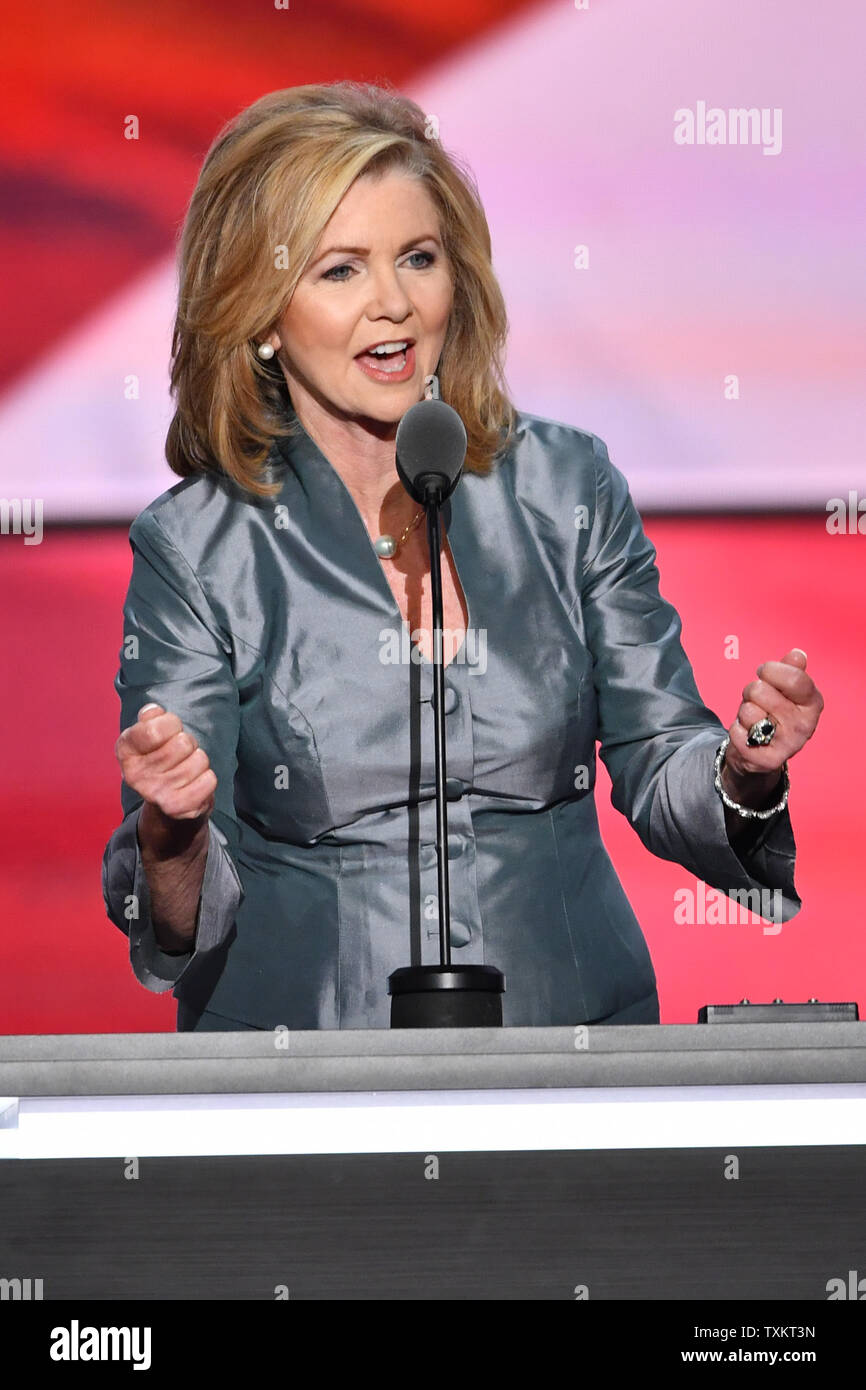
Lauren Pinkston frames the issue through the lens of regional economics. Because over 40 Tennessee counties border other states, she argues that the tax encourages residents to cross state lines for their shopping, draining retail dollars from local border communities. Marsha Blackburn also supports the repeal, though she ties the timeline to a different priority: first, she wants to use a state-level efficiency initiative to scrub the budget of waste, then determine the exact funding available for the repeal.
Divergent Paths to Lowering Living Costs
The candidates differ sharply on where the state’s financial levers should be pulled. Senator Blackburn is focusing on a “top-down” approach to government size. She proposes creating a Tennessee version of “DOGE” to trim waste, fraud, and abuse from the state budget. Her primary goal is to ensure the state government does not grow, which she believes is a sustainable way to prevent tax increases.
In contrast, Jerri Green is proposing a “direct-impact” model. Her first priority as governor would be to use $10 million in Temporary Assistance for Needy Families (TANF) funds to buy up and pay off approximately $1 billion in medical debt for over 100,000 Tennesseans. Green argues that medical debt is the leading cause of bankruptcy and GoFundMe campaigns, and asserts that the state can achieve this because medical debt is often bought for pennies on the dollar.
“You show me your budget, I’ll show you what you care about. They’re moral documents,” Green said. She criticized previous leaders for their priorities, noting that Gov. Lee provided corporations with a $1.5 billion rebate last year in tax returns they did not ask for.
Property Tax Spikes Prompt Calls for Caps
While the grocery tax is a frequent talking point, the volatility of property taxes is creating a different kind of crisis, particularly for homeowners and farmers. David Hatley points to his own hometown as a warning sign, where property taxes rose 50% over five years. He is calling for caps on local property tax increases to prevent what he terms “government overreach,” citing cases in downtown Nashville where taxes allegedly spiked 400% to 500% over a few years.
Senator Blackburn’s approach to property taxes is more structural. She is pushing for the passage of Amendment 2, which would create a constitutional ban on the state ever implementing a state-level property tax. She argues this would make Tennessee more competitive for businesses compared to other states that do have such taxes, while simultaneously urging local city councils and county commissions to protect seniors from being taxed out of their homes.
Lauren Pinkston suggests the problem lies in outdated state statutes. She believes the current laws requiring a 15% increase in population or income over five years before certain actions can be taken put undue pressure on local county commissions to manage growth. She is calling for a reform of these statutes to better reflect the actual pace of Tennessee’s expansion.
Comparing the Candidates’ Economic Priorities
The candidates’ priorities reflect a fundamental disagreement over whether the state’s economic problems are caused by government waste, misplaced priorities, or a lack of creative thinking.
| Candidate | Primary Financial Target | Key Proposed Mechanism | Stated Goal |
|---|---|---|---|
| Marsha Blackburn | Government Waste | State-level “DOGE” / Amendment 2 | Prevent state growth & state property tax |
| Jerri Green | Medical Debt/Wages | TANF funds / Minimum wage hike | Immediate relief for low-income families |
| David Hatley | Grocery & Gas Taxes | Tax elimination / Property tax caps | Reduce daily “income hits” to families |
| Lauren Pinkston | Housing & Retail Leakage | Statute reform / Grocery tax repeal | Align Wall Street growth with Main Street |
Revenue Losses Threaten Funding for Essential Infrastructure
The push for widespread tax repeals, particularly the grocery tax, faces a significant economic hurdle: the loss of recurring state revenue. Opponents of such repeals often argue that in a state with no income tax, sales taxes are the primary engine for funding essential infrastructure, public safety, and education. Reducing this revenue stream without a guaranteed reduction in spending could lead to budget shortfalls or the eventual need for the very property taxes Senator Blackburn seeks to ban.
As Tennessee voters head to the polls on November 3, the decision rests on whether they prefer a governor who will “skinny up” the budget through deregulation and efficiency, or one who will use the state’s surplus and federal funds to provide targeted, immediate financial interventions for the state’s most vulnerable residents.