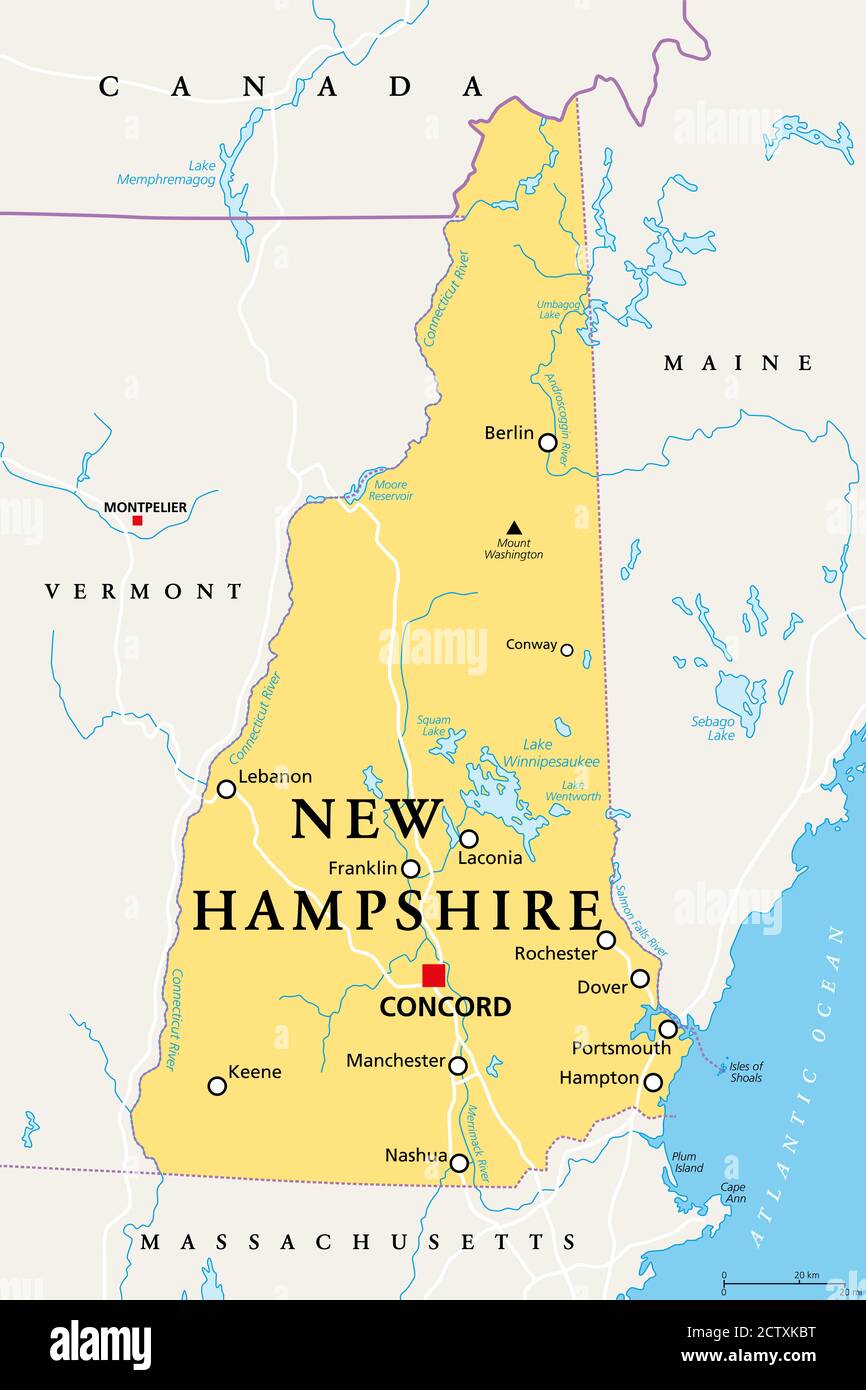
Standing at the base of a giant tree with patchy gray, tan, and white bark in Concord, New Hampshire, forester Dave Anderson and three friends joined hands to form a ring around its trunk, the Bennington banner reported. That single measurement captured the immense scale of New Hampshire’s largest American sycamore, estimated to be more than 300 years old, with a height and crown spreading past 100 feet and an 18-foot circumference.
While that Concord giant dominates local landscapes, it is not New England’s largest specimen. That distinction likely belongs to the Pinchot Sycamore on the bank of the Farmington River in Connecticut or the Buttonball Tree in Sunderland, Massachusetts. As the largest deciduous hardwood in North America, Platanus occidentalis natively populates the eastern and central United States, instantly recognizable by its peeling bark and unique seed balls.
The Riparian Realm of the Buttonwood
American sycamores are fiercely specialized riparian trees. Confined to alluvial soils along major waterways like the Merrimack and lower Connecticut rivers, they occupy a strict ecological niche.
“American Sycamores are native trees, but their range is limited,” Anderson said. “They’re specialized as a riparian species, confined to alluvial soils along major rivers such as the Merrimack and the lower Connecticut River. They can’t stand to be constantly flooded and will die if inundated for long.”
These trees typically grow singly or in small groves alongside other moisture-loving species such as red maple, willow, and cottonwood. Urban sycamores, by contrast, are frequently London planetrees—a hybrid between the American sycamore and the European-Asian P. orientalis. Cultivated widely for their rapid growth and air-pollution tolerance, London planetrees display olive-green bark and seed balls arranged in pairs, differing from native specimens.

Anatomy of Exfoliation
The sycamore’s signature peeling bark stems from a distinct biological limitation. Its outer layer lacks the elasticity required to stretch as the tree expands.
Growing rapidly at rates of two to three feet per year under proper conditions, the trunk outpaces its bark’s flexibility. “Sycamore bark doesn’t expand as fast as the tree grows, so outer layers flake off in irregular patches,” Anderson explained to the Bennington banner. “The white color you see on the tree’s upper trunk and branches is the newly exposed inner layer.”
This dynamic creates a striking visual duality. Because exfoliation occurs most intensely on rapidly expanding young upper branches, a mature sycamore often resembles two distinct trees stacked together: a dark, brown-gray lower trunk anchored below pale, creamy upper limbs.
Ecosystem Hub for Wildlife
Beyond their physical presence, these titans serve as critical anchors for wildlife across New England. Their dangling fruit balls persist through fall and winter, packed with thousands of high-protein seeds dispersed by spring winds to feed small birds.
The biological activity extends deeply into the tree’s vascular system and structural cavities. Yellow-bellied sapsuckers puncture wells in the bark to harvest sap. These sap wells subsequently trap insects, creating feeding stations for hummingbirds, porcupines, and other forest mammals. Meanwhile, caterpillars consume the foliage, and deer, porcupines, and beavers browse the bark.
Structural decay within older heartwood forms hollow cavities, a process Anderson notes does not signal imminent death. “These giant trees are often hollow, which doesn’t necessarily mean they are dying,” Anderson noted. “It’s just concentrating its strength on the outside.”
Woodpeckers, owls, cavity-nesting ducks, flying squirrels, raccoons, and even black bears occupy these hollows, which also provide roosting sites for chimney swifts gripping the rough vertical interior. Whether historical tales of human travelers taking shelter inside these hollow trunks are fact or folklore, the sheer resilience of the American sycamore continues to command attention across the region.