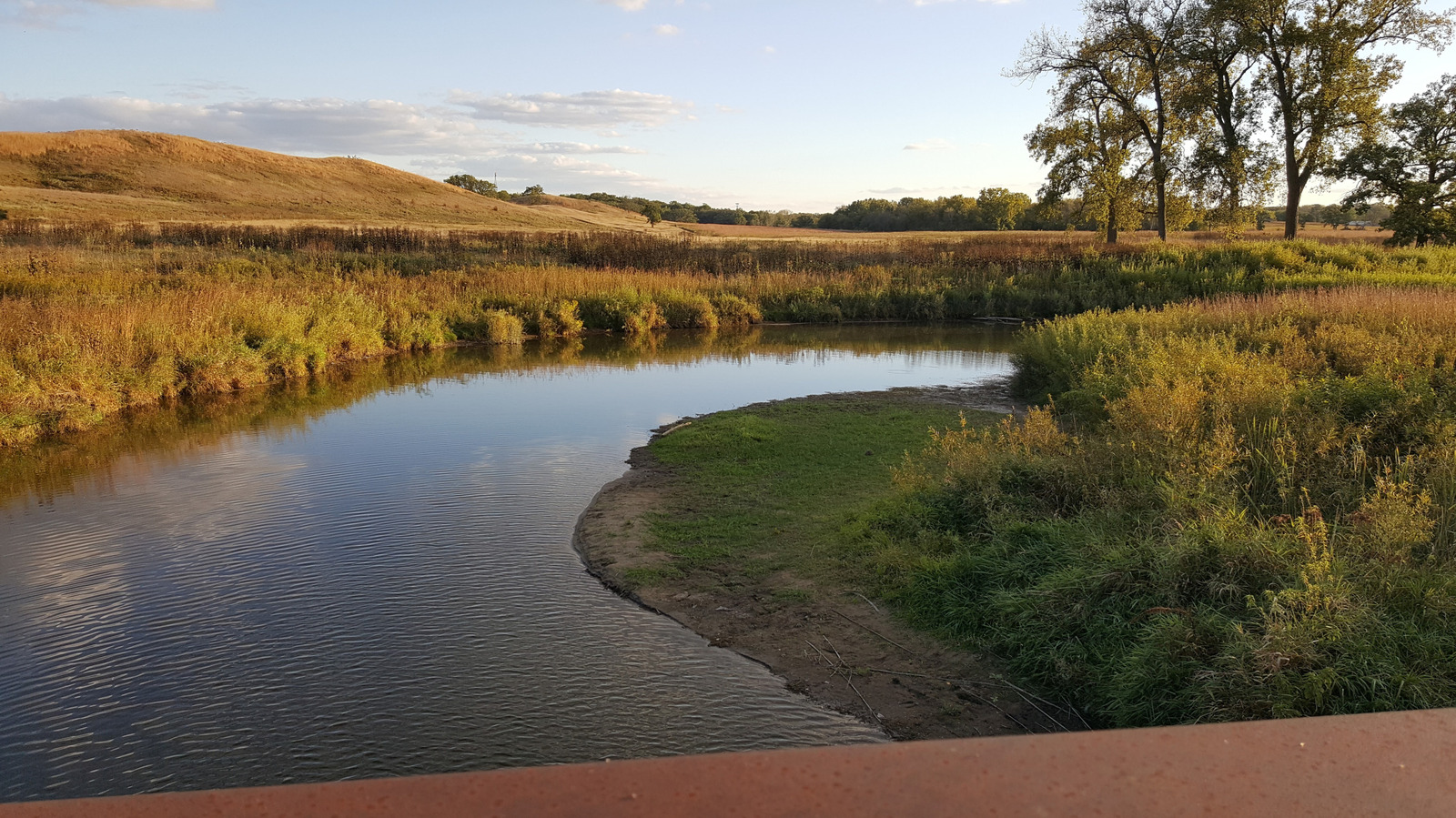
Outdoor enthusiasts seeking open space, rolling hills, and paddling routes can access a sprawling natural haven in far northern Illinois situated around 1.5 hours from Chicago. Glacial Park spans a little over 3,400 acres of glacial kames and prairie, including 490 acres of designated nature preserve. The park is open from sunrise to sunset, admission is free, and on-site parking is available for locals and tourists alike.
Ancient glaciers shaped the park, leaving behind wetlands, ponds, glacial gravel deposits known as kames, and lakes. The ecosystem supports more than 420 plant species, with nine listed as threatened or endangered according to the Illinois Department of Natural Resources.
Trails and Waterways
The park features lush, green hiking trails that are not overly difficult, though climbing the 100-foot-high Camelback kame on the Glacial Park Loop Trail can present a challenge. The Deerpath Trail Loop offers prairie views, shady oak savannas, and a bog. For water activities, the Nippersink Creek Water Trail provides a clear, cool route. Visitors can rent canoes or kayaks from Scull & Oars, which also provides a shuttle service to Nippersink Creek and offers guided tours by appointment. Spring, summer, autumn, and winter all offer different activities, including cross-country skiing and snowmobiling during the winter months.
Fishing and Wildlife
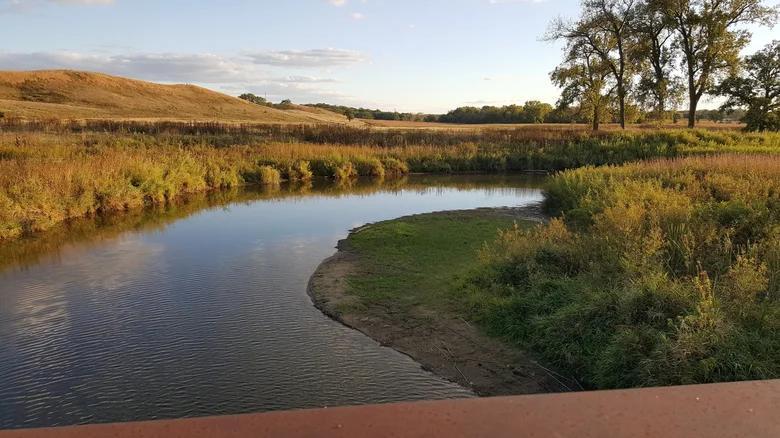
Anglers casting lines from the banks of the Nippersink can catch catfish, panfish, bass, and walleye. According to the McHenry County Conservation District, preferred fishing spots along the banks are Pioneer Road Landing and Keystone Landing. Boats and wading are not permitted for fishing, and a valid fishing license is required for anyone 16 or older. For wildlife observation, the park serves as a location to view regional migratory birds, with the Lake County Audubon Society periodically hosting bird walks.
Visitors are advised to wear sturdy shoes, pack plenty of water, and utilize bug-repellent clothing spray. Before arriving—particularly for fishing—guests must obtain necessary permits and check for closures or park alerts, while prospective bird-walk participants must check the Lake County Audubon Society official website for future dates and times.