The ICE Surge Reshaping California’s 22nd District
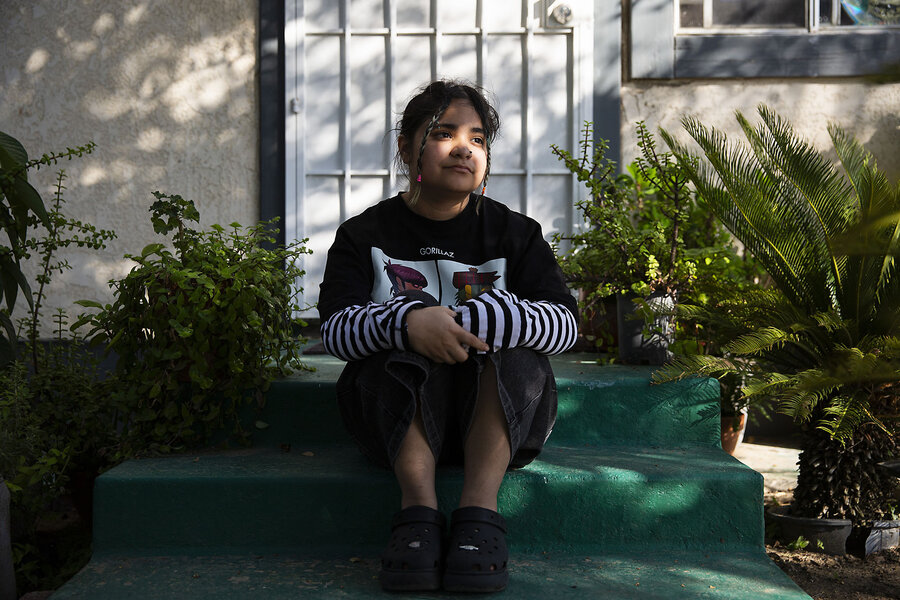
In the farming communities of California’s San Joaquin Valley, the atmosphere has shifted from quiet agricultural life to palpable anxiety. As federal immigration agents conduct a series of enforcement actions—referred to by some reports as "Operation Safe California"—the 22nd Congressional District’s political environment is shifting rapidly. For voters like Marisol Perez, an 18-year-old resident of Wasco, the arrival of federal agents has turned a previously distant political process into a personal mandate to head to the polls.
The 22nd District, which is the most heavily Latino congressional district in California, has become a high-stakes battleground. As The Christian Science Monitor reported, the recent federal activity has motivated a segment of the electorate that might otherwise have stayed home, viewing the ballot box as their only leverage against a crackdown they feel is targeting their families and neighbors.
A History of Political Galvanization
This is not the first time immigration policy has acted as a catalyst for political realignment in California. Over two decades ago, the state saw a similar phenomenon following the 1994 passage of a ballot initiative that sought to bar unauthorized immigrants from public services. While the courts eventually blocked the measure, the resulting backlash led to a surge in naturalization and a long-term shift of Latino voters toward the Democratic Party. Today, observers are watching closely to see if the current federal strategy will produce a comparable effect.
The stakes are clear: the 22nd District is essential to both parties’ efforts to control the U.S. House of Representatives. Incumbent Republican Representative David Valadao, whose family migrated from Portugal, is facing a challenge from Democrat Randy Villegas. The district was recently redrawn to include more of Fresno, a change that has made the seat more competitive for Democrats.

Conflicting Accounts of Enforcement
The nature of these operations remains a point of intense contention. Representative Valadao has stated that he is in contact with federal officials, asserting that the operations are focused on individuals with active warrants and known criminal histories, as noted on his official House website. However, reports from SFGATE tell a different story. Local advocates and officials, including Fresno city councilmember Miguel Arias, have reported instances of warrantless detentions involving individuals with no criminal records, including one man who was reportedly detained while mowing his own lawn.
The reports of “random” stops and the targeting of workers at gas stations and bakeries have contributed to a climate of fear. In some areas, community groups have been forced to postpone public events, and school districts have noted an uptick in student absences. SFGATE also detailed a violent incident in Fresno involving an off-duty ICE officer, further fueling the sense of instability in the region.
The Voter Perspective in a Mixed-Status Community
For those living in mixed-status households, the fear is constant, yet it is increasingly being channeled into political action. Flor Olvera, who has been canvassing for Democratic-leaning candidates in Wasco, describes a community where the fear of racial profiling is balanced by a growing determination to vote. Even in neighborhoods where residents are too afraid to answer their doors, canvassers are leaving informational leaflets on fences and stoops, ensuring that voters understand their rights.
Not all voters in the region see the situation through the same lens. “For me, being a Latino doesn’t mean I support open borders,” he says.
The Road to Election Day
With the election approaching, the divide between the two campaigns has widened. Mr. Villegas has openly accused the administration of using these sweeps as a tool for voter suppression. Meanwhile, the Department of Homeland Security has declined to provide specifics regarding the operations, stating only that they enforce the laws of the nation across the country.
For young, first-time voters like those working with local groups such as Faith in the Valley, the fear of the last few weeks has not been a deterrent. Instead, it has become a reason to engage. As the 22nd District deals with this period of uncertainty, it is unclear whether the surge in federal activity will increase voter turnout or if the climate of intimidation will discourage vulnerable residents from voting.