“I am the president, and yet I sleep wearing a coat and fully dressed,” President Masoud Pezeshkian said, explaining his decision to avoid using heating in his home amid a national energy crisis, according to Al Jazeera.
As Iran faces a deepening economic strain, the government has begun implementing rolling electricity blackouts across the country. The cuts, which began Sunday, are scheduled to last for approximately two hours daily, though officials warn these could extend as winter weather intensifies.
The current rationing follows months of heavy damage to Iran's domestic energy grid. The electricity sector has been rationing electricity as the country’s economy suffers under rising U.S. economic pressure. President Pezeshkian told the ISNA news agency that “the attack on the country’s gas infrastructure has aggravated the situation and we should therefore expect difficulties this winter.”
Energy Infrastructure and Winter Shortages
The current rationing follows months of heavy damage to Iran's domestic energy grid. President Pezeshkian has emphasized the need for conservation as Iran struggles with an energy crisis. Prior to the joint attacks by Israel and the United States on February 28 targeting nuclear facilities and Tehran, Iran was already experiencing power cuts and gas shortages.
As the Islamic Republic deals with an energy crisis made worse by the war, Pezeshkian has spent the last few weeks calling on the Iranian people to save energy and electricity before winter arrives. Iranian government spokeswoman Fatemeh Mohajerani said the entire administration was fully committed to the task at hand.
Public Reaction to Austerity Measures
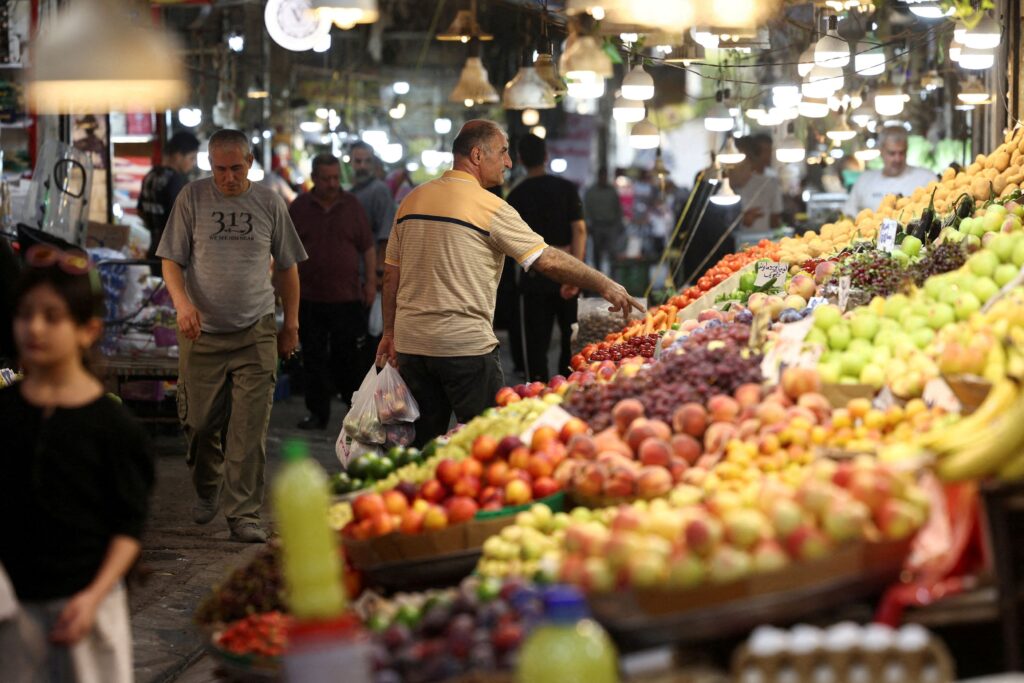
Beyond electricity, the government has moved to scale back subsidies on essential goods, including a 30 percent reduction in bread subsidies and a 25 percent cut for gasoline. These changes have pushed prices up by an average of 15 percent nationwide.
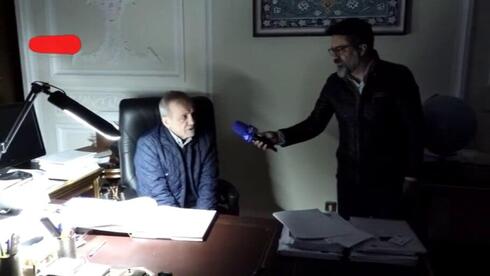
A viral video showing the president working in a darkened office sparked a wave of domestic criticism. While the broadcast was intended to demonstrate personal conservation, some media outlets accused the government’s communications team of having “failed to properly advise President Pezeshkian.” One critic wrote in an Iranian newspaper that “Pezeshkian put Iran’s dignity up for a clearance sale.”
Economic Contraction and Inflation
The country is facing its most severe economic period in recent decades. Reports highlight a combination of factors driving the crisis:
| Economic Indicator | Reported Figure |
|---|---|
| Year-on-year inflation (October) | 88.7 percent |
| Food and beverage inflation | 113.4 percent |
| Projected GDP growth (2026) | -7 percent |
The economy is reeling following months of a US naval blockade of Iranian ports, a situation worsened by strikes on Iranian energy infrastructure and harsh sanctions. The Trump administration maintains that its Operation Economic Outcast—which involves sanctioning those who engage in business with Iran to choke its economy—will compel the country to make concessions.
Subsidy Cuts Deepen Household Hardship
Analysts say the deeply unpopular austerity measures are making life even harder and indicate how critical Iran’s economic crisis has become after nearly nine months of war with the United States, the Washington Post reported.
The rollback of fuel subsidies has had a large negative impact on the daily lives of Iranians, reported The Washington Post. Iranians say the measures are aggravating economic hardships and compounding anxiety about the future as winter approaches, the Washington Post added.
Parliament Warns of Mass Job Losses
On November 21, Nasrollah Pejmanfar, a member of Parliament, informed the Khaneh Mellat News Agency (ICANA) that if the shortages of natural gas persist, more than one million workers might lose their employment. An official warned it should not “come at the cost of closing industrial units and making workers unemployed.”
About 600,000 job losses have already resulted from the reduction of industrial production during the U.S.-Israel war, politicians say, BozokMedia noted. Speaking to BozokMedia, Tehran University economist Ali Reza said that since the sanctions began, electricity use in Iran has dropped by 20%, marking its lowest level in ten years.
Gas Shortages Risk over One Million Job Losses
A 40-year-old teacher in Tehran described the situation as “infuriating,” noting that her family has struggled to adapt as inflation outpaces salary growth. Other citizens have expressed feeling trapped, with one small business owner describing her state of mind using a Persian proverb: “between earth and sky.”
Masoud Pezeshkian, a member of the reformist faction, has held various political roles including Deputy Health Minister starting in 1997 and Minister of Health and Medical Education from 2001 to 2005. He also served as First Deputy Speaker of the parliament from 2016 to 2020 before becoming president in 2024.
As president, Pezeshkian manages the domestic and economic front, which includes overseeing the administration’s response to the energy crisis. This role involves urging government officials and producers to maintain production through responsible consumption as the country navigates infrastructure damage and economic strain.
While some government officials and producers have been urged by the president to maintain production through responsible consumption, parliamentarian Nasrollah Pejmanfar warned that more than one million workers could lose their jobs if the current natural gas shortages persist.