Kansas Shifts Left in a Historic Electoral Wave
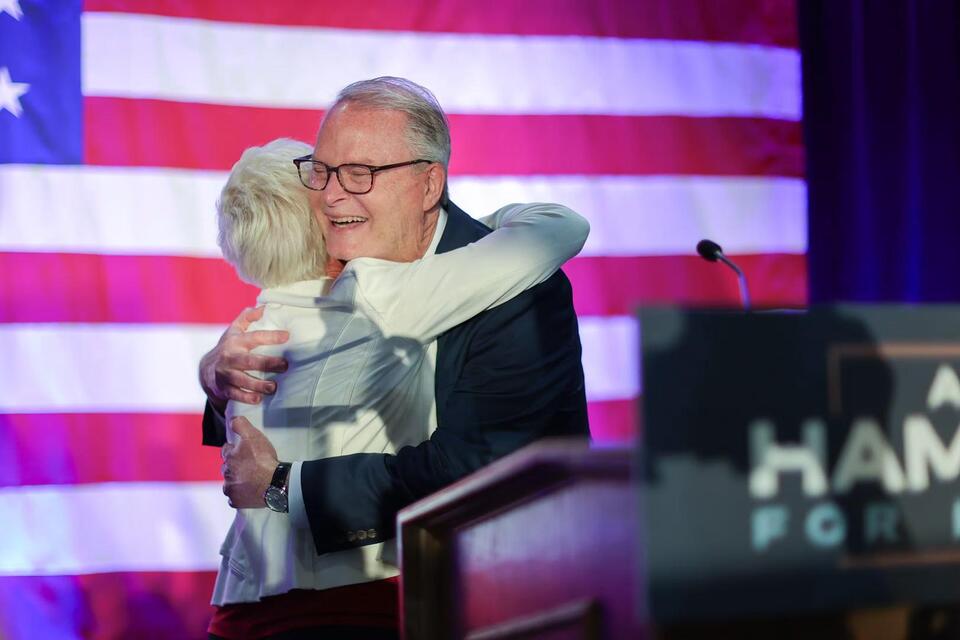
On Tuesday, Kansas experienced a political realignment, swinging left by 21.06 points and fracturing a 16-year-old Republican supermajority in the statehouse. The state elected Adam Hamilton—a founding pastor of the largest United Methodist Church in the country and a recent convert to the Democratic Party—as its first Democratic U.S. senator since 1932. Alongside this shift, voters appear to have selected Cindy Holscher, an economic populist, as governor, while Democrats captured 20 additional seats in the state legislature.
The results suggest that the state’s political identity is undergoing a period of profound transition. As one observer noted on social media following the results, “Giving birth to something new is always a bloodbath. So right now, the state is postpartum.” This legislative turnover ends the veto-proof grip the GOP has held over Kansas policy for 16 years, signaling a return to the state’s historical roots of moderation and rural radicalism.
The Return of Native Radicalism
While Thomas Frank’s 2004 book What’s the Matter With Kansas? is frequently cited as a cautionary tale about a state drifting toward conservative Christianity, the current political landscape suggests a different narrative. The state’s history is defined by a deep-seated rebellion against concentrated power. In the 1890s, Kansas was the epicenter of the Farmers’ Alliance and the People’s Party, fueled by anger toward railroads, banks, and grain-elevator operators. It was also the home of Appeal to Reason, once the largest-circulation socialist newspaper in American history.
Holscher’s campaign, which leaned into her background as the granddaughter of tenant farmers, tapped into this populist sentiment. Her platform included a call for a moratorium on data centers and an end to tariffs and the war in Iran, which have strained the state’s agricultural sector. For many Kansas farmers, the rising costs of fuel, fertilizer, and machine parts have brought them to the brink of bankruptcy, making Holscher’s economic messaging a potent alternative to the status quo.
Koch Network Influence Ousted Moderate Legislators for Brownback
The state’s recent history is linked to the influence of the Wichita-based Koch network. Beginning in the 1970s, the network began amassing right-wing influence, eventually ousting moderate legislators in 2012 to clear the path for Senator Sam Brownback. Brownback’s tenure, characterized by aggressive tax cuts that crippled public education funding, became so unpopular that the Kansas Supreme Court eventually ruled the state had failed in its legal duty to educate its children.
The friction caused by these policies led to a gradual fracturing of the Republican Party. By 2017, the legislature voted to roll back those tax cuts over Brownback’s veto, and in 2018, four GOP legislators defected to the Democratic Party, citing concerns over the party’s alignment with Donald Trump. During this election cycle, incumbent Governor Laura Kelly leaned into this history, warning voters that a vote for Republican Ty Masterson would return Kansas to the “Brownback” era—a term that has become shorthand for the MAGA catastrophe.
Reproductive Health and the “Don’t-Tread-on-Me” Ethos
The shift in Kansas politics extends beyond fiscal policy to a defense of personal autonomy. This was evidenced in 2022, when Kansans soundly rejected a constitutional amendment that would have banned abortion immediately following the U.S. Supreme Court’s decision to overturn Roe v. Wade.
Adam Hamilton, who once described himself as “pro-life with a heavy heart,” has evolved into an explicitly pro-choice candidate. “I acknowledge there is a moral tension surrounding the topic of abortion,” Hamilton has stated, “but I do not believe that politicians should be making these decisions for women.” This stance has garnered support, including an endorsement from Rob Schenk, a former Operation Rescue leader and onetime anti-abortion militant in Kansas, who praised Hamilton’s views in the pages of Mother Jones.
Bleeding Kansas History Roots Populist Sentiment
The current political environment is perhaps best understood through the state’s origin story. Known as “Bleeding Kansas” in 1854, the territory was defined by conflict when 5,000 pro-slavery terrorists from Missouri invaded, menaced voters at the polls, and hijacked elections. This history remains a part of the state’s DNA.
Whether this change represents a permanent realignment or a temporary reaction is not yet known. However, the turnover suggests that the “don’t-tread-on-me” sentiment has returned to its roots—favoring populism over party loyalty. As the state moves forward, the new legislative majority faces the reality of governing a population that has proven it is willing to break hard against anyone who’s exploiting them.