The Rising Tax Burden in Kansas
Kansas voters facing escalating housing costs find themselves at the center of a partisan standoff as the 2026 gubernatorial race enters its final days, with neither major party candidate able to point to substantive property tax relief after years of legislative promises. Statewide annual revenue from property taxes ballooned from $5.4 billion in 2021 to $6.6 billion by 2025, driven by double-digit increases in property valuations that left homeowners paying higher bills even when mill levies remained flat.
The issue has exposed deep fractures in Topeka, where Republican legislative leaders and Democratic Gov. Laura Kelly spent the past five years clashing over how to address the state’s tax structure. Senate President Ty Masterson, the 2026 Republican nominee for governor, first promised voters on January 12, 2021, that a GOP supermajority would tackle the burden. Yet years of competing proposals, vetoes, and legislative gridlock left homeowners carrying an increasingly heavy share of the local tax load.
Five Years of Legislative Gridlock and Vetoes
Back in 1997, commercial property owners in Kansas covered 62% of the state’s property tax revenue, while residential owners accounted for the remaining 38%. Over the ensuing decades, a steady accumulation of commercial tax exemptions reversed the math. By 2024, residential owners were shouldering 57% of the total property tax bill, leaving commercial entities responsible for 43%.
Lawmakers considered dozens of modifications during the legislative cycle, but broader reforms repeatedly stalled because local government received the majority of its funding from property tax. While the Legislature enacted a 2021 truth-in-taxation law requiring public notice for steep revenue hikes, and later raised residential exemptions for K-12 school funding—saving the average homeowner about $46 a year—broader relief measures failed to keep pace with soaring valuations.
The divide widened significantly in the 2026 legislative session. Masterson backed a constitutional amendment to cap annual assessment growth at 3%, while the House pursued a parallel strategy to restrict local government revenue growth. Gov. Kelly ultimately vetoed the resulting package, dismissing it as a false promise while urging lawmakers to double the home value exemption for schools to $150,000 and establish a $60 million state fund rewarding local units that kept budget increases below 3%.
Competing Visions for the Governor’s Office
As voters head toward the November 3, 2026 election, the candidates are offering sharply contrasting solutions. Masterson is campaigning on a “Homeowners Bill of Rights” anchored by a constitutional cap on valuation increases and proposals to freeze or reduce property taxes for senior citizens, arguing that out-of-control local spending is pricing young families and retirees out of their homes.
Democratic nominee Sen. Cindy Holscher counters that the Republican leadership’s approach relies on gimmicks that starve local governments of funds necessary for essential public services. Holscher points to the state’s failure to fully fund special education programs since 2011 as a key driver forcing local school boards to pull deeper from property tax revenues.
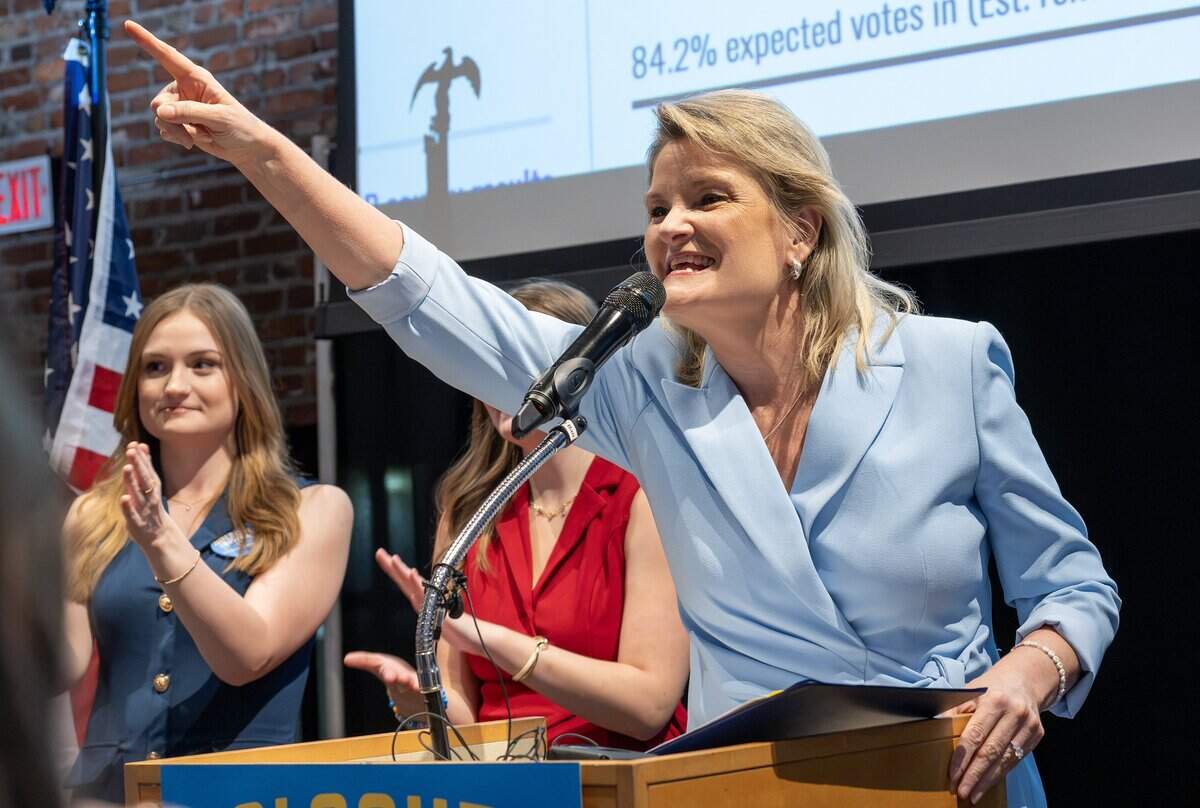
“Ty Masterson has had years as Senate president, with a Republican supermajority behind him, and time and again he has repeatedly failed to deliver the property tax relief Kansans need,” said Sen. Cindy Holscher.
Instead of valuation caps, Holscher advocates for lowering the assessed percentage of home values from 11.5% to 9% across all income levels, reining in tax breaks for wealthy businesses, and providing targeted property tax exemptions for seniors and disabled veterans.