Minnesota Votes Today in High-Stakes Statewide and Legislative Elections
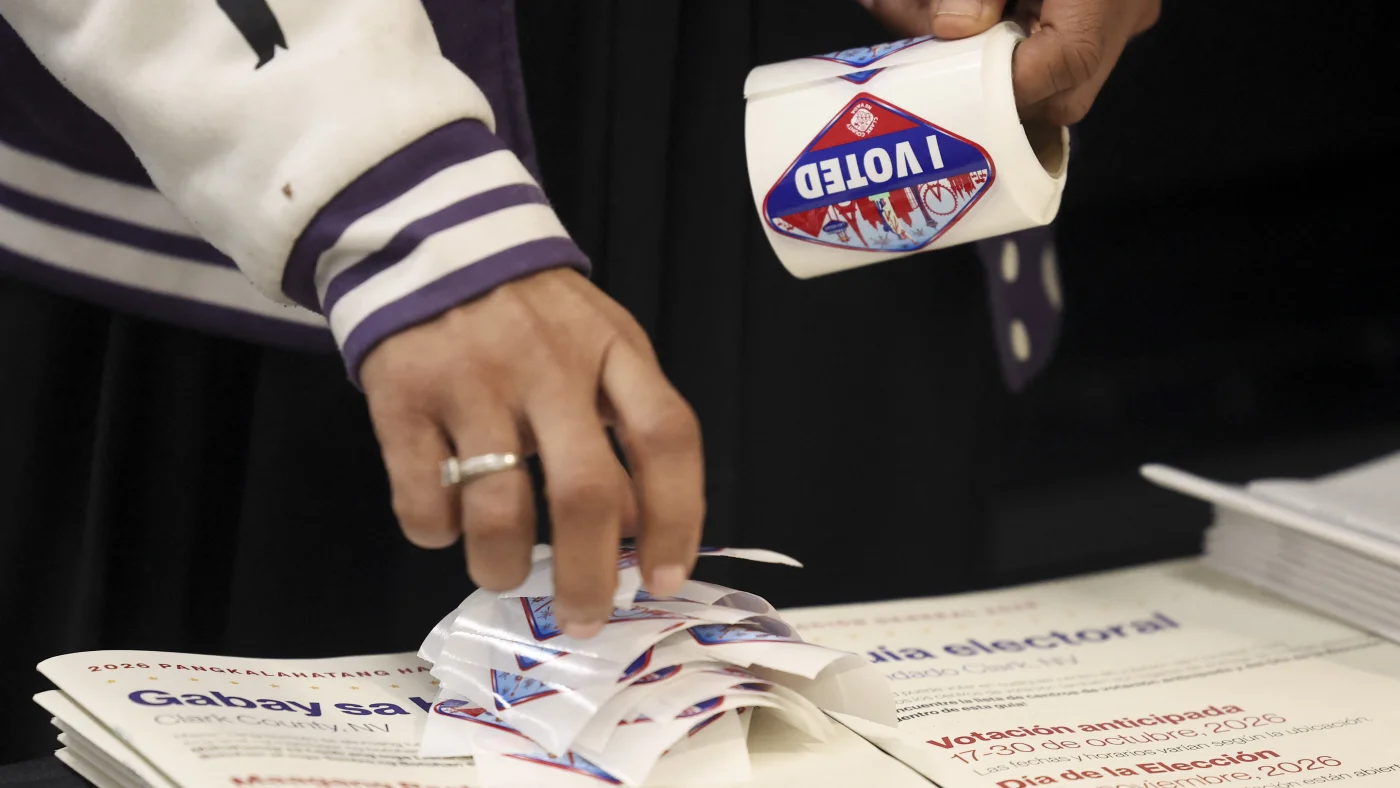
Election Day has arrived across Minnesota, bringing voters to the polls to decide control of every legislative seat, a fierce gubernatorial contest, and the future direction of the state’s roughly $60 billion budget, the Minnesota Reformer reported. Polls opened at 7 a.m. and will remain open until 8 p.m., with anyone standing in line by the closing hour guaranteed the right to cast a ballot.
For those still sorting out logistics, the Minnesota Secretary of State’s office provides an online precinct finder for address lookups. Voters are not required to show an identification card at the polls, though the state explicitly warns that participating in voter fraud carries the weight of a felony conviction under Minnesota law. Citizens who have not yet registered need not sit out the contest; same-day voter registration is fully available at polling stations across the state.
There are very few instances in the modern era of a sitting U. S. senator running for governor and being in a position to appoint their own successor. Klobuchar owes it to voters to tell us ahead of time whom she plans to appoint to replace her. My piece in the Reformer today: pic.twitter.com/LkZQBJfArU
Voters holding unmailed absentee ballots face a strict ticking clock. Secretary of State Steve Simon’s office notes that unsubmitted mail ballots must be dropped off directly at the office that issued them no later than 5 p.m. on Election Day. Alternatively, voters can simply discard the unused mail ballot and cast their vote in person at their local precinct.
Voters Choose Statewide Leaders to Make History
At the top of the ticket, voters are deciding races for governor and lieutenant governor running as a joint ticket, alongside attorney general, secretary of state, and state auditor. In the gubernatorial race, U.S. Sen. Amy Klobuchar of the Democratic-Farmer-Labor Party faces Republican House Speaker Lisa Demuth. No matter the outcome, Minnesota will have its first female governor.
The U.S. Senate race features Lt. Gov. Peggy Flanagan squaring off against Republican Michele Tafoya to fill the seat held by retiring U.S. Sen. Tina Smith. Meanwhile, DFL Attorney General Keith Ellison seeks a third term against patent lawyer and conservative activist Ron Schutz.
Beyond the executive offices, all 201 legislative seats and several U.S. House positions sit on the ballot. Legislative control remains a central flashpoint. The Minnesota House spent the 2025–26 sessions deadlocked in a 67-67 tie, while the DFL maintained a narrow 34-33 majority in the Senate. The winning majority will shoulder the responsibility of crafting the upcoming two-year state budget, which funds public schools, infrastructure, health care, and social services. Republicans have campaigned on cutting taxes and spending, whereas Democrats emphasize increased investments in education and health care.

Election Officials Process Hundreds of Thousands of Early Ballots
Voter participation kicked off well before Tuesday. Secretary of State Steve Simon reported that local election officials accepted 886,427 absentee and mail ballots as of 9 a.m. Monday. In the 2022 midterm elections, total turnout reached 2,525,873 voters, representing about 61% of eligible citizens—a figure that ranks among the highest nationwide, though short of the 2018 high-water mark and the 3.2 million ballots cast in the 2024 presidential election.
Election officials expect results to begin trickling in shortly after polls close at 8 p.m., with many contests historically resolved within a couple of hours and most completed by early Wednesday. However, tight margins can drag out the process, as demonstrated in 2024 when determining control of the Minnesota House took weeks.
To ensure accuracy, Minnesota utilizes mandatory post-election audits, which require hand counts in at least two precincts per county and 3% of precincts in the largest counties. These reviews historically mirror machine tallies closely. According to MIT’s Elections Performance Index, Minnesota maintains the top-ranked election administration system in the country. If races fall within razor-thin margins—less than 0.25% for federal and statewide contests, or less than 0.5% for legislative races—the state covers the cost of a recount.
The newly elected governor is scheduled to take the oath of office during the inauguration on January 4, 2027. If Klobuchar wins the governorship and resigns her Senate seat beforehand, Gov. Tim Walz would formally appoint her successor, though he can and most likely would defer to Klobuchar to select her replacement.